

Heading in-store? Call your nearest store to confirm availability.
Adelaide Store: 08 8223 1522
Melbourne Store: 03 9417 0070

Description
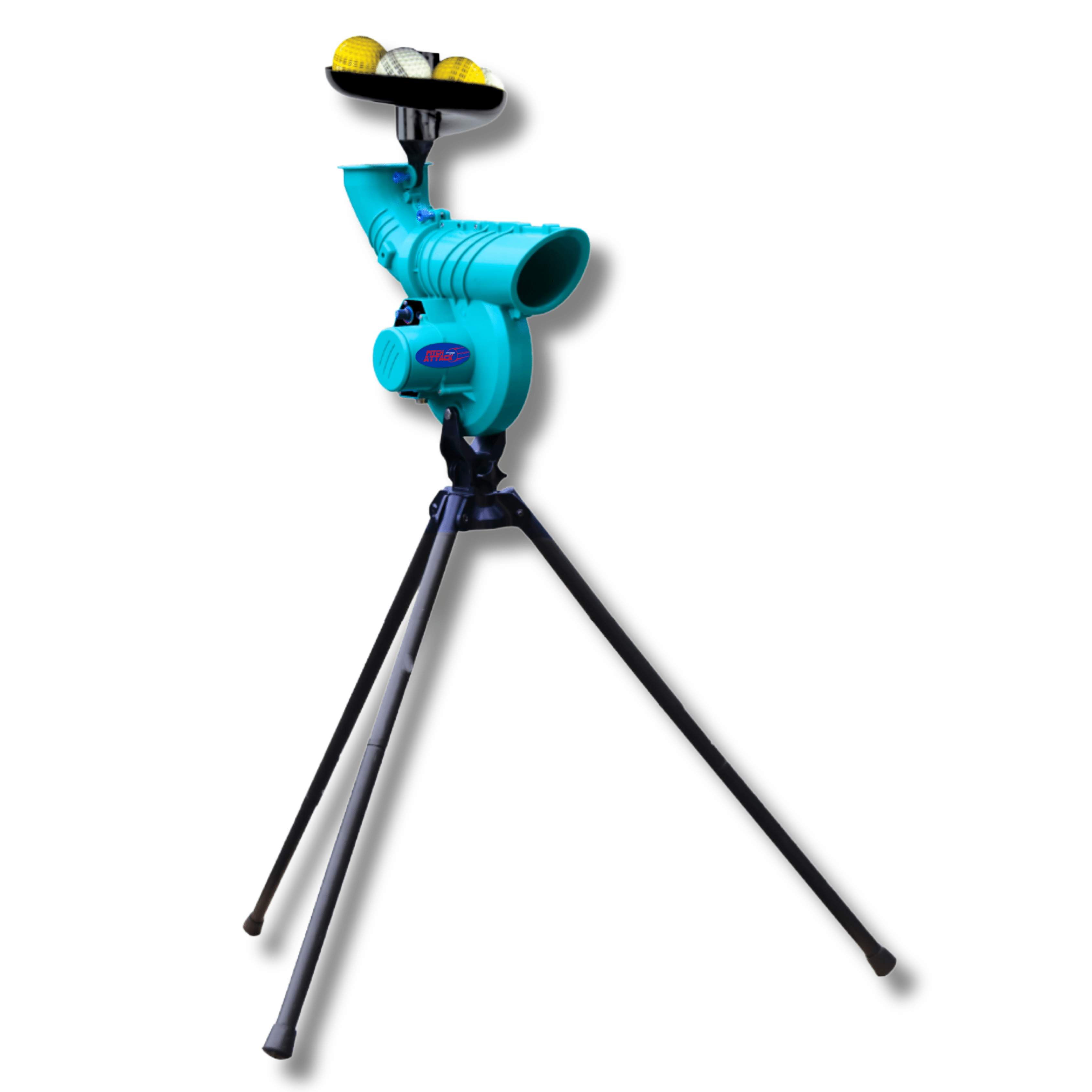
Take your backyard cricket to the next level with the Paceman Pitch Attack Bowling Machine – the perfect entry point into batting practice for juniors, beginners, and cricket lovers looking for consistent, accurate deliveries without breaking the bank.
Designed as a budget-friendly alternative to the higher-end models, the Pitch Attack still packs plenty of value. With speeds of up to 70kph, it provides a realistic challenge for developing your batting technique and shot selection. The 6-ball automatic feeder ensures you get a steady stream of deliveries, helping build rhythm and confidence at the crease.
For safety and accessibility, the Pitch Attack is compatible exclusively with lightweight Paceman balls, making it an excellent choice for younger players or those wanting to focus on timing and hand–eye coordination without the intensity of a full hardball machine.
Whether you’re honing your skills solo or enjoying backyard sessions with family and friends, the Paceman Pitch Attack offers great performance at an affordable price point.
Key Features:
-
Speeds up to 70kph for realistic practice
-
6-ball automatic feeder for continuous training
-
Uses only lightweight Paceman balls (sold separately)
-
Ideal for juniors, beginners, and casual backyard cricket
-
Affordable entry-level bowling machine
How To Choose The Correct Cricket Bat Size

Choosing the correct cricket bat size is essential for developing proper technique and confidence at the crease. While age can be used as a guide, height is the most accurate way to determine the right bat size.
A correctly sized cricket bat should reach approximately the player's wrist crease when standing upright beside them. This allows the player to maintain proper control, develop sound technique and play shots with confidence. If purchasing for a growing junior cricketer, a bat reaching up to mid-forearm can be acceptable, however anything significantly higher than this is generally too large and may negatively affect technique and bat control.
Common Cricket Bat Sizing Mistakes

One of the most common mistakes is purchasing a bat that is too large in the hope that a junior player will grow into it. Oversized bats can negatively impact technique, shot execution and overall enjoyment of the game.
Cricket Bat Weight Guide

Bat weight should complement a player's strength and skill level. A well-balanced bat that feels comfortable in the hands will generally perform better than a heavier bat that is difficult to control.
Balance and pickup are often more important than the actual weight shown on the scales.
Batting Pad Size Guide

Batting pads should fit so that the player's knee sits as close as possible to the center of the knee roll (or knee pocket on the rear of the pad). This ensures the pad moves naturally with the leg when running between wickets and moving at the crease.
If the knee sits too low within the knee roll, the pad can act like a splint, restricting natural movement and making running uncomfortable. If the knee sits too high, there may be insufficient protection around the knee joint, increasing the risk of injury from an impact.
When trying on batting pads, the knee should sit centrally within the knee roll while standing in a comfortable batting stance. A variation of a centimeter or two is generally acceptable, but for optimal protection and freedom of movement, the closer the knee is to the center of the knee roll, the better the fit.
Batting Glove Size Guide

Cricket batting gloves should be a snug, comfortable fit from the outset, as the leather and materials will naturally soften and give with use. A well-fitted glove provides better grip, control and feel of the bat handle while reducing unnecessary movement within the glove.
For junior players, up to 1cm of additional room in the fingertips can be acceptable to allow for growth, provided the palm remains secure and does not bunch or crease excessively when gripping the bat. Excess material in the palm can affect grip and make the bat feel less secure in the hands.
Equally important is ensuring the fingertips are not pressed hard against the end of the glove. While this may seem comfortable during a brief fitting, tight fingertips can become increasingly uncomfortable during long innings as the hands swell and move within the glove. The ideal batting glove should feel snug around the hand, allow natural finger movement and provide a secure grip without pressure on the fingertips.
Cricket Helmet Size Guide

A correctly fitted cricket helmet should feel secure and comfortable on the head without excessive movement. While helmet sizing charts provide a useful starting point, proper fit should always be checked before taking the field.
One of the most important safety checks is the distance between the player's chin and the helmet grill. When wearing the helmet correctly, there should be approximately two finger widths between the chin and the inside of the grill. This gap is critical because if the grill is struck by the ball, it allows sufficient clearance to help prevent the grill from making contact with the player's face.
The helmet should also sit firmly on the head without wobbling or shifting excessively when walking, running or turning. A loose-fitting helmet can move during play, potentially dropping over the eyes and restricting vision while running between wickets or facing a delivery. A properly fitted helmet should remain stable during movement while still feeling comfortable enough to wear for extended periods.
When trying on a cricket helmet, always check both grill clearance and overall stability. A helmet that is too loose may compromise protection and visibility, while a helmet that is too tight can become uncomfortable during long periods at the crease.
Frequently Asked Questions
What size cricket bat should a 10 year old use?
Height is a more reliable guide than age. Refer to the cricket bat size chart above to determine the most suitable bat size.
When should a player move to a Harrow bat?
Most players transition to a Harrow bat once they outgrow Size 6 but are not yet ready for a full-size Short Handle bat.
Can a junior player use an adult cricket bat?
Only if they have the height and strength to comfortably control it. Using an oversized bat can hinder skill development.


Estimate shipping
Heading in-store? Call your nearest store to confirm availability.
Adelaide Store: 08 8223 1522
Melbourne Store: 03 9417 0070