
Explore our range of cricket balls for junior cricket, club matches, training sessions and professional competition. From synthetic practice balls to premium four-piece match balls, Cricket Warehouse stocks cricket balls for every age group and level of the game.

Choosing the right cricket ball depends on the age of the player, the level of cricket being played and whether the ball will be used for matches, training or practice.
Junior Cricket
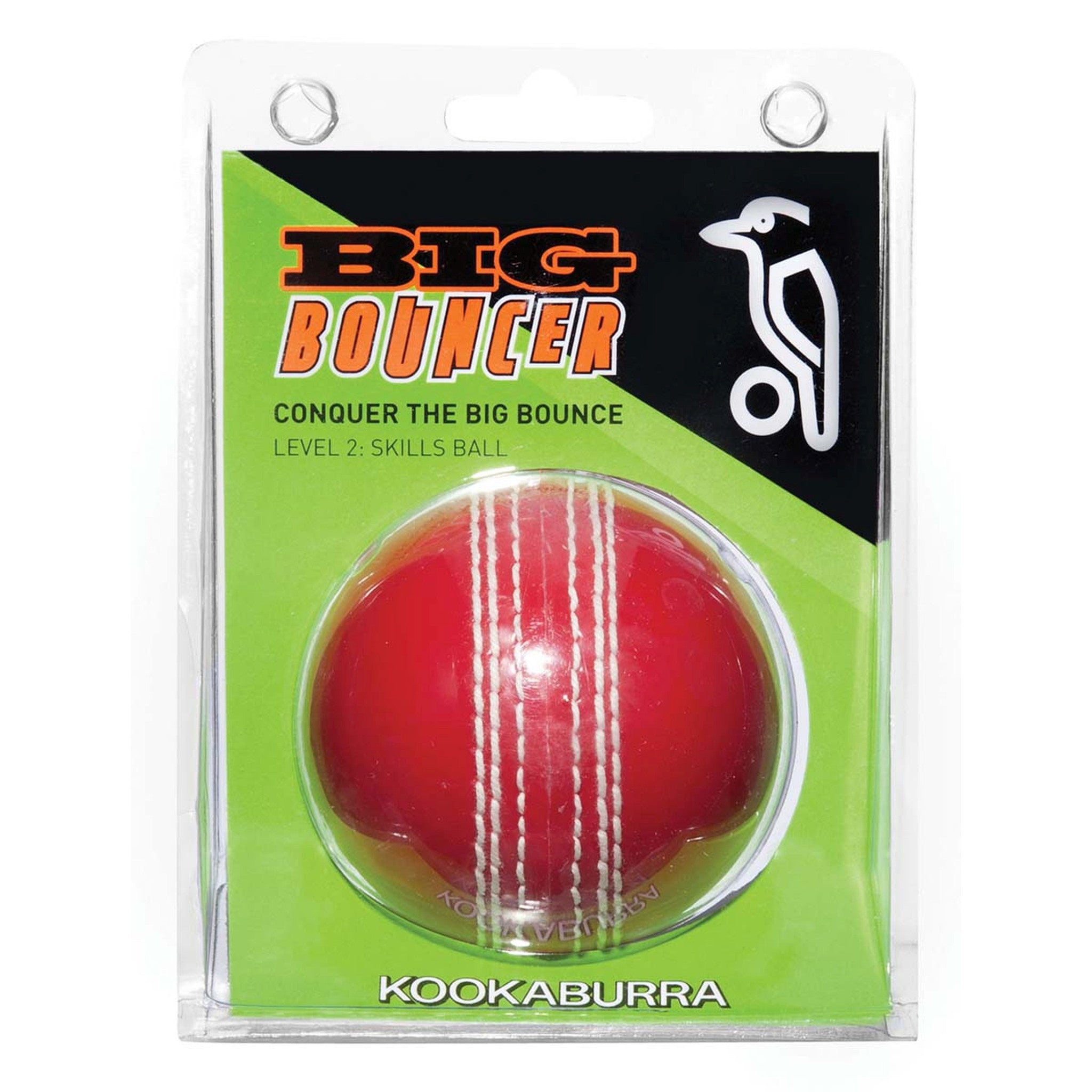
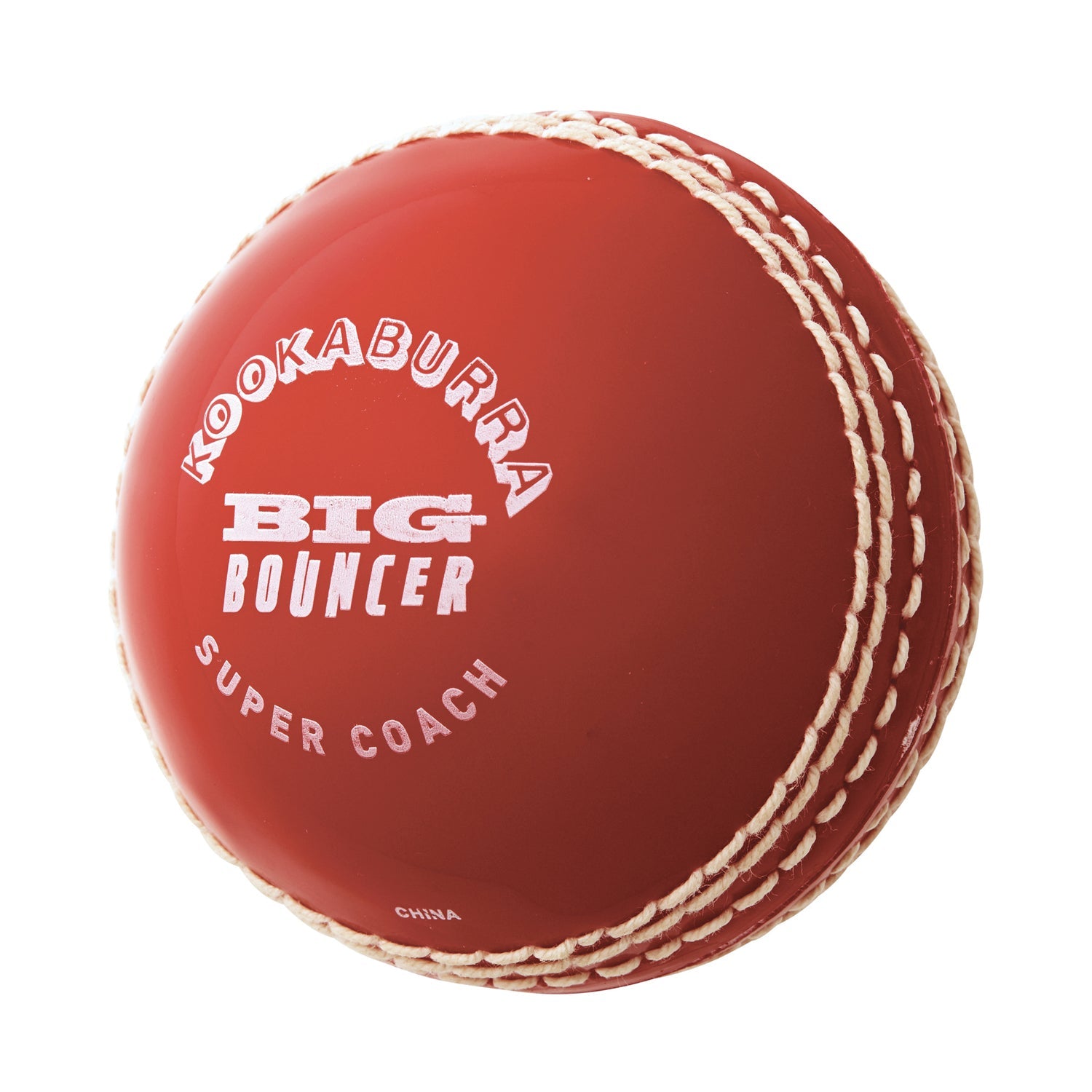
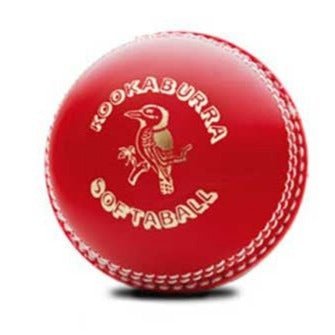
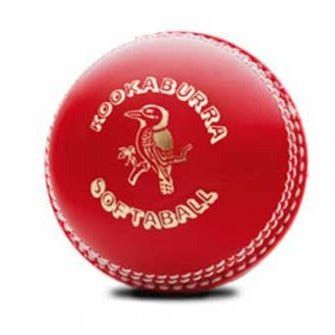
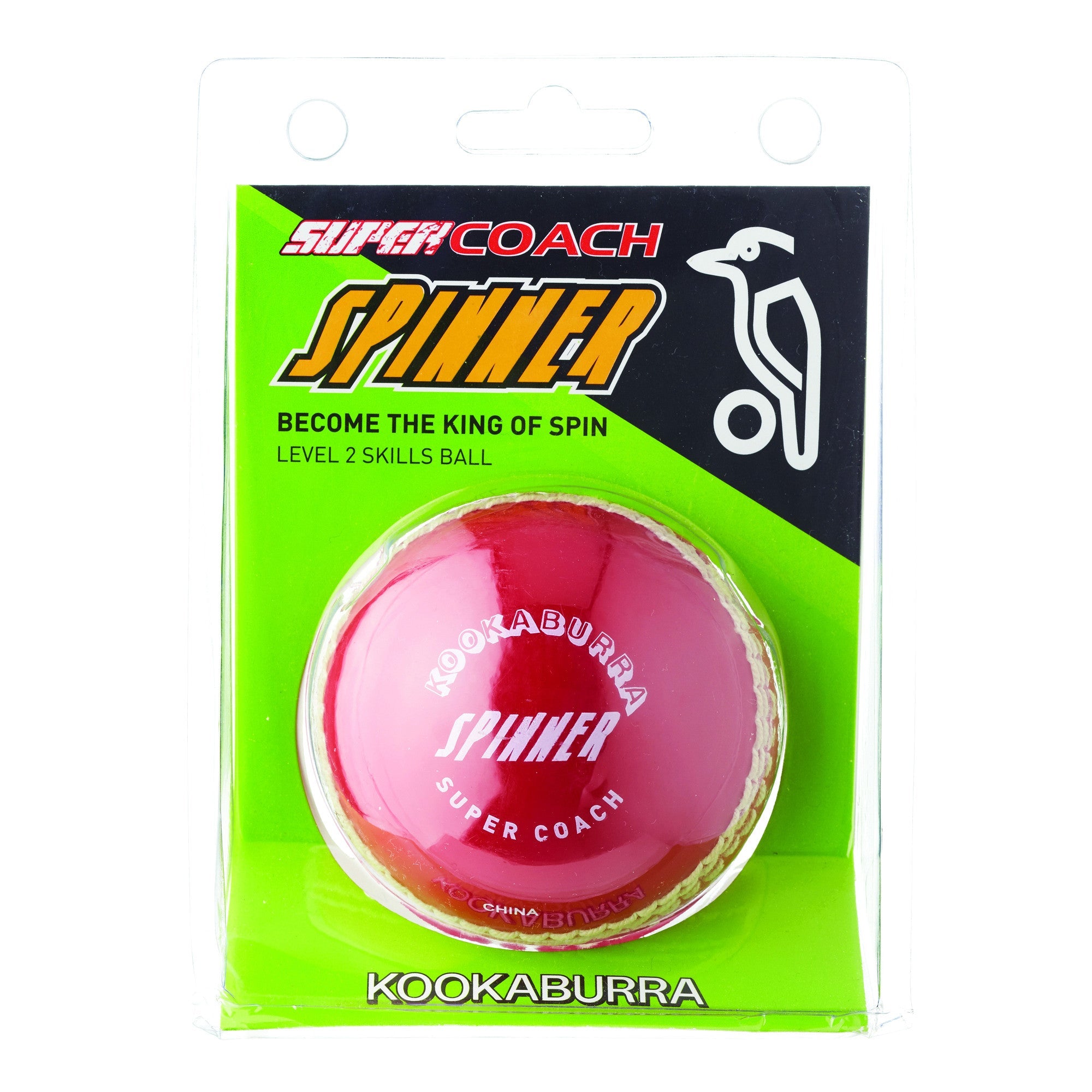
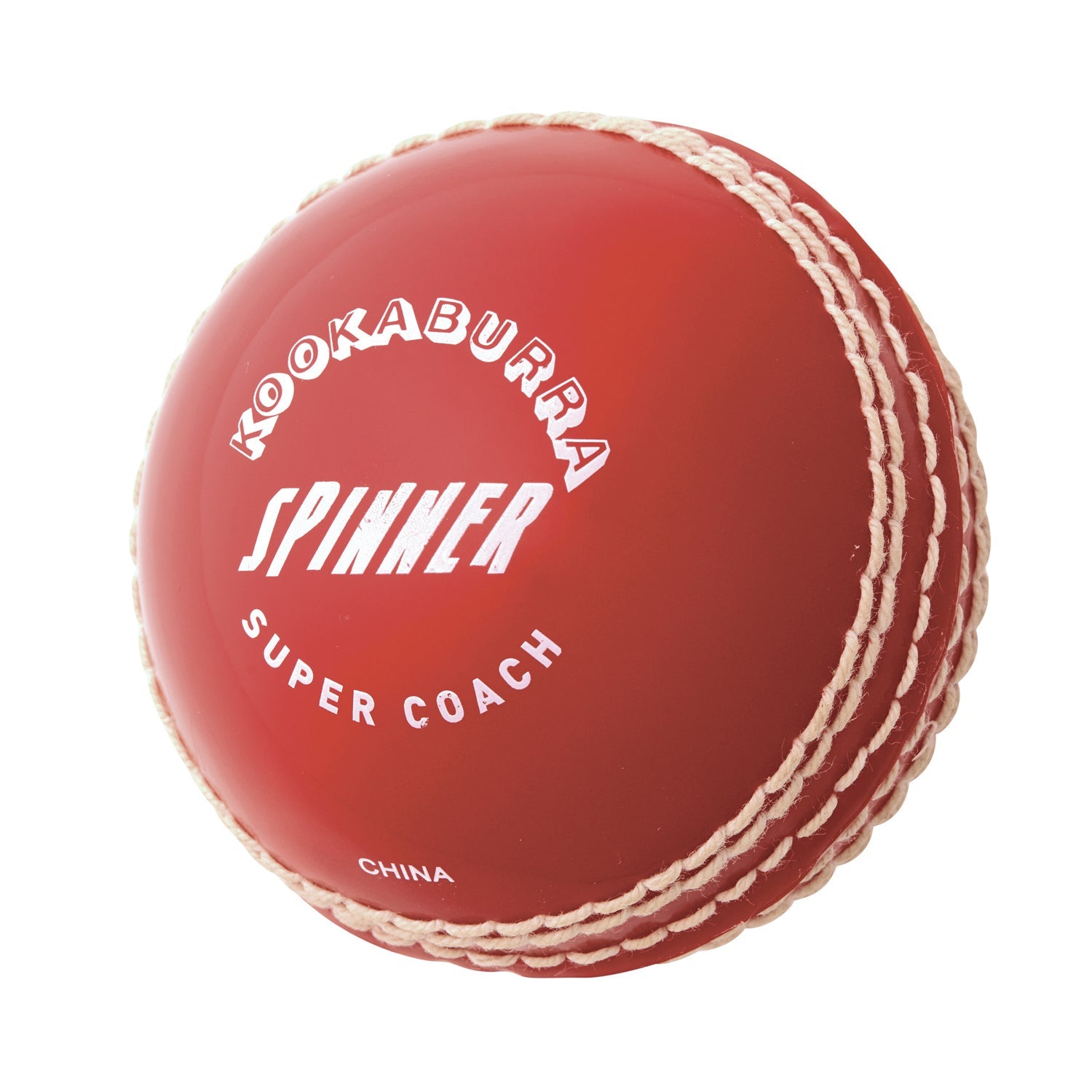
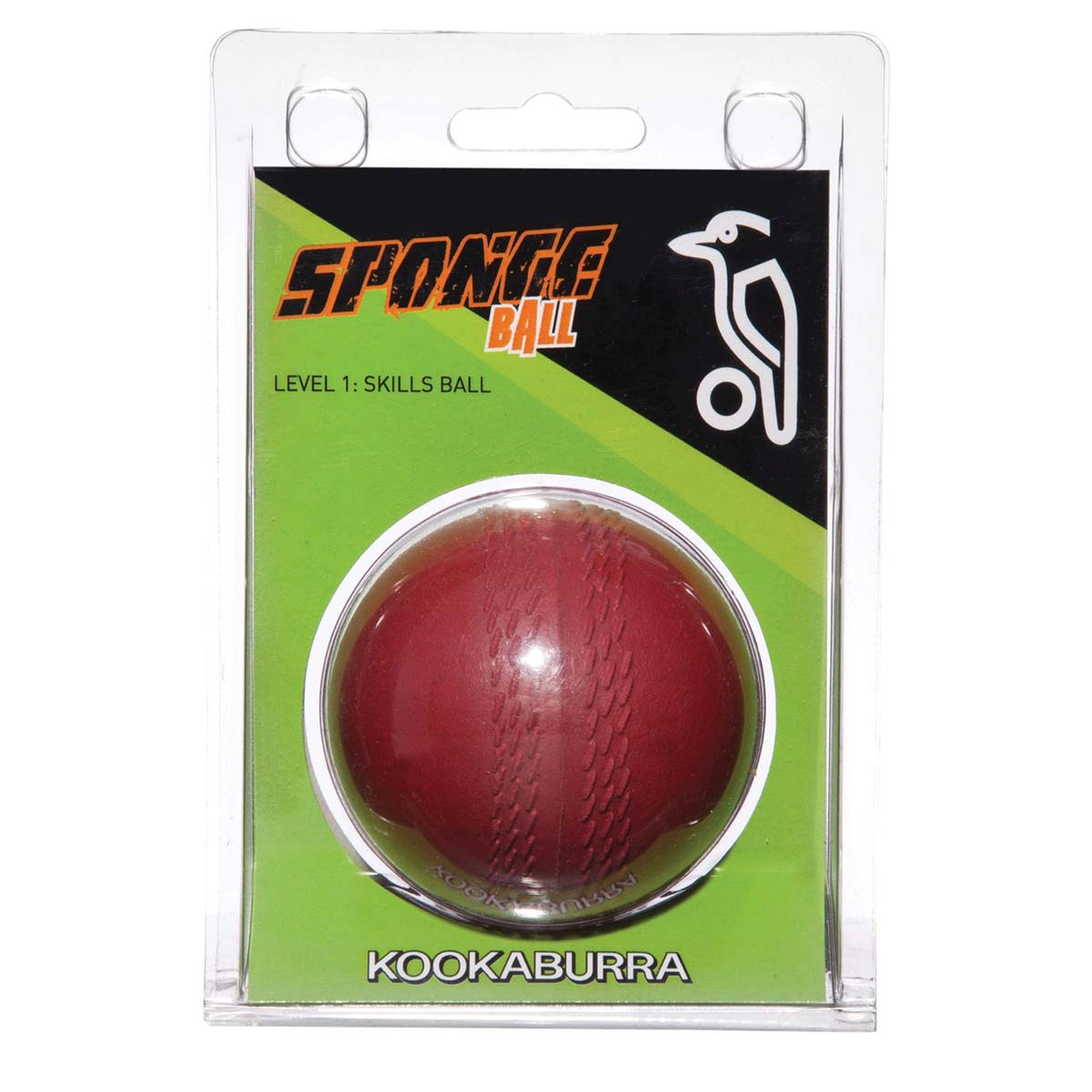
Young players generally start with softer or lighter-weight cricket balls designed to build confidence while developing technique and skills. These balls are usually referred to as modified balls, or poly soft balls. There is a huge range of them ranging in weights from around 50gm up to 130gm. Junior players will usually progress to the Kookaburra SoftaBall and then onto the Kookaburra commander 142gm (Plastic ball - but hard not soft)
School & Club Cricket
As players progress through junior cricket, leather cricket balls become increasingly common. The choice between two-piece and four-piece construction will often depend on competition requirements, playing standard and budget. Around the age of 13, most boys transition from the 142g junior ball to the 156g senior ball as they move into higher age groups and senior cricket pathways. In contrast, girls' and women's cricket is typically played using the 142g ball across all levels of the game, making ball weight an important consideration when selecting the right cricket ball for your competition.
Representative & Senior Cricket
Higher-level cricket is typically played with premium four-piece leather balls that provide superior seam definition, durability and performance over longer innings. Four-piece cricket balls generally hold their shape for longer and are less likely to develop inconsistent bounce or variation throughout play. As a result, four-piece balls are the preferred choice for most turf cricket competitions.
Two-Piece Cricket Balls
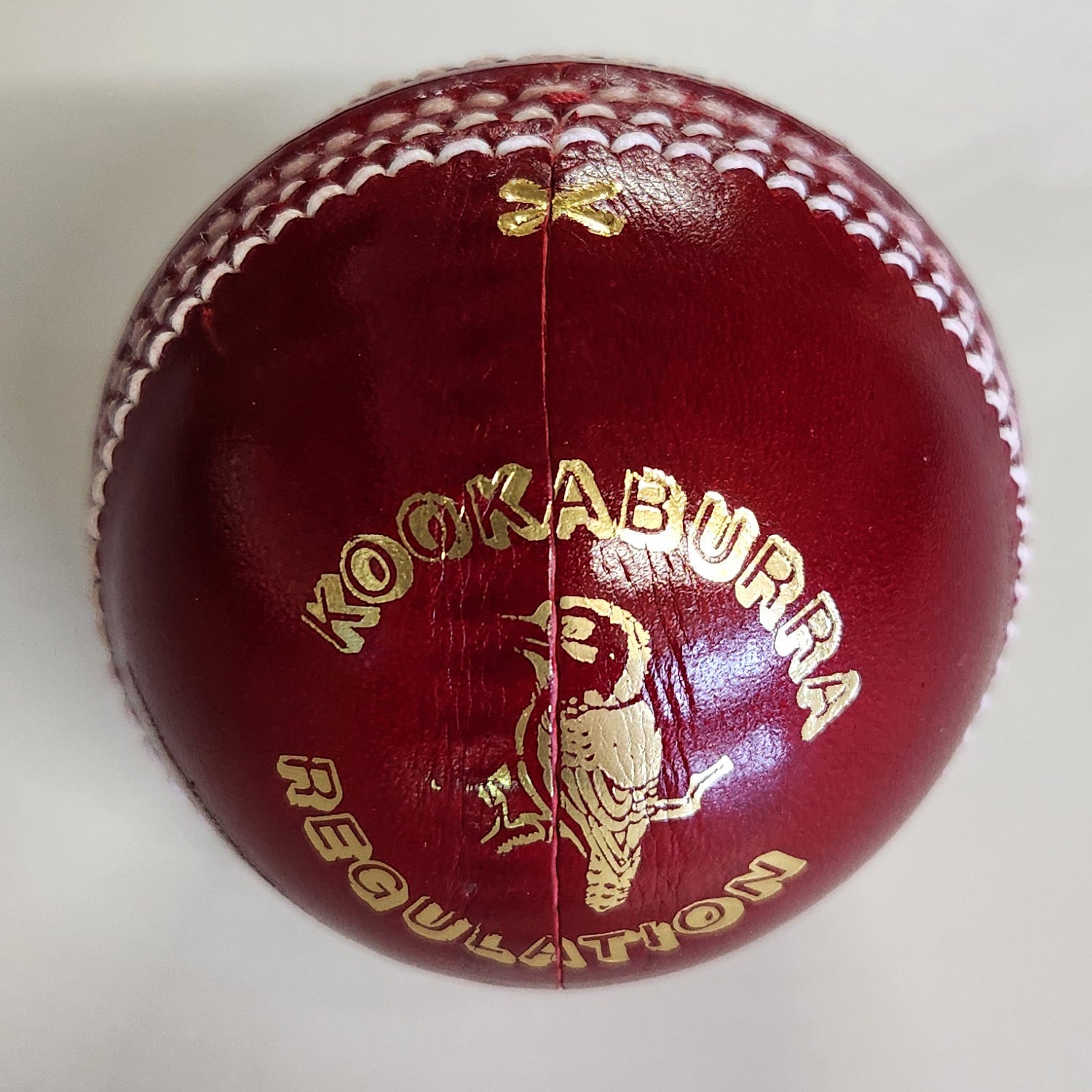
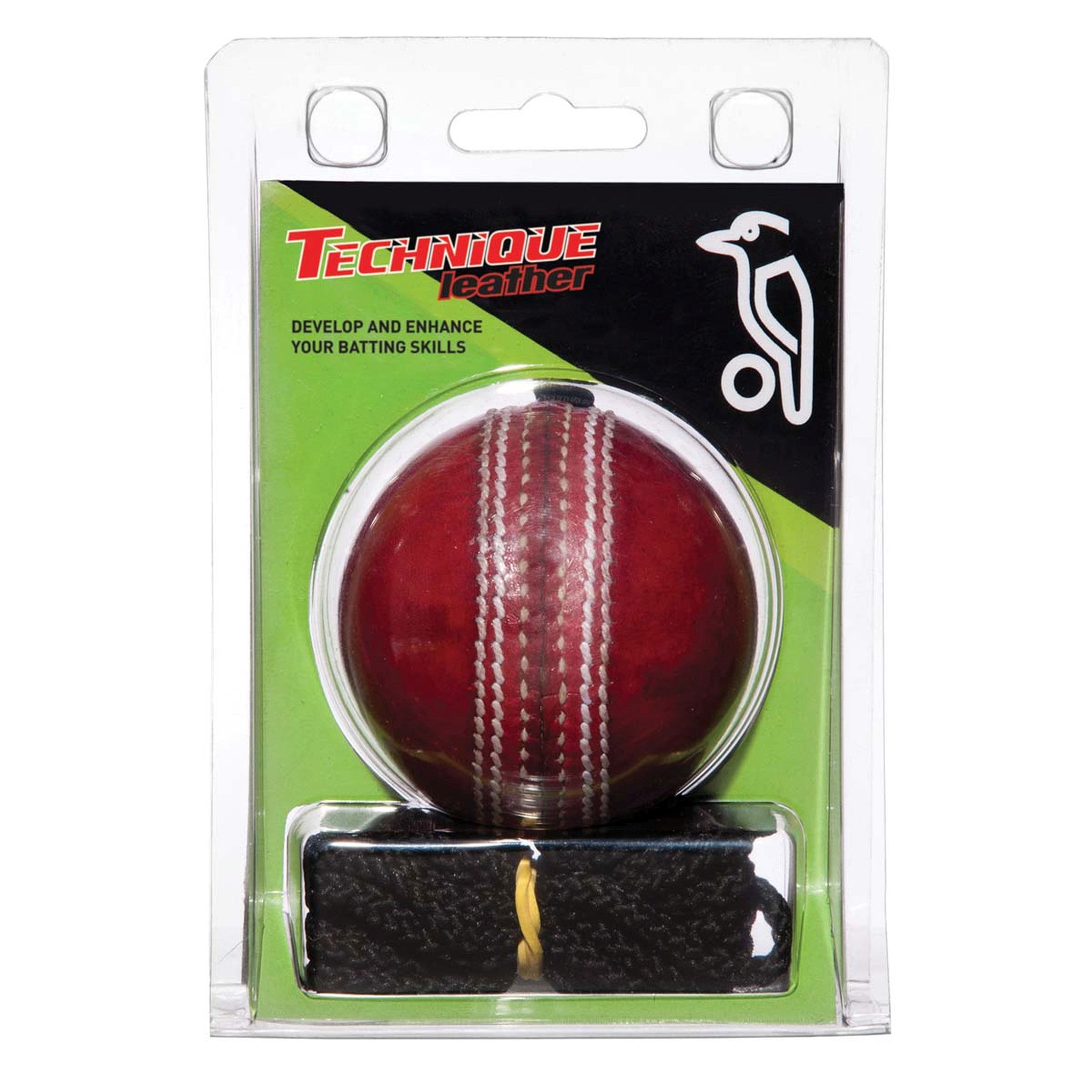
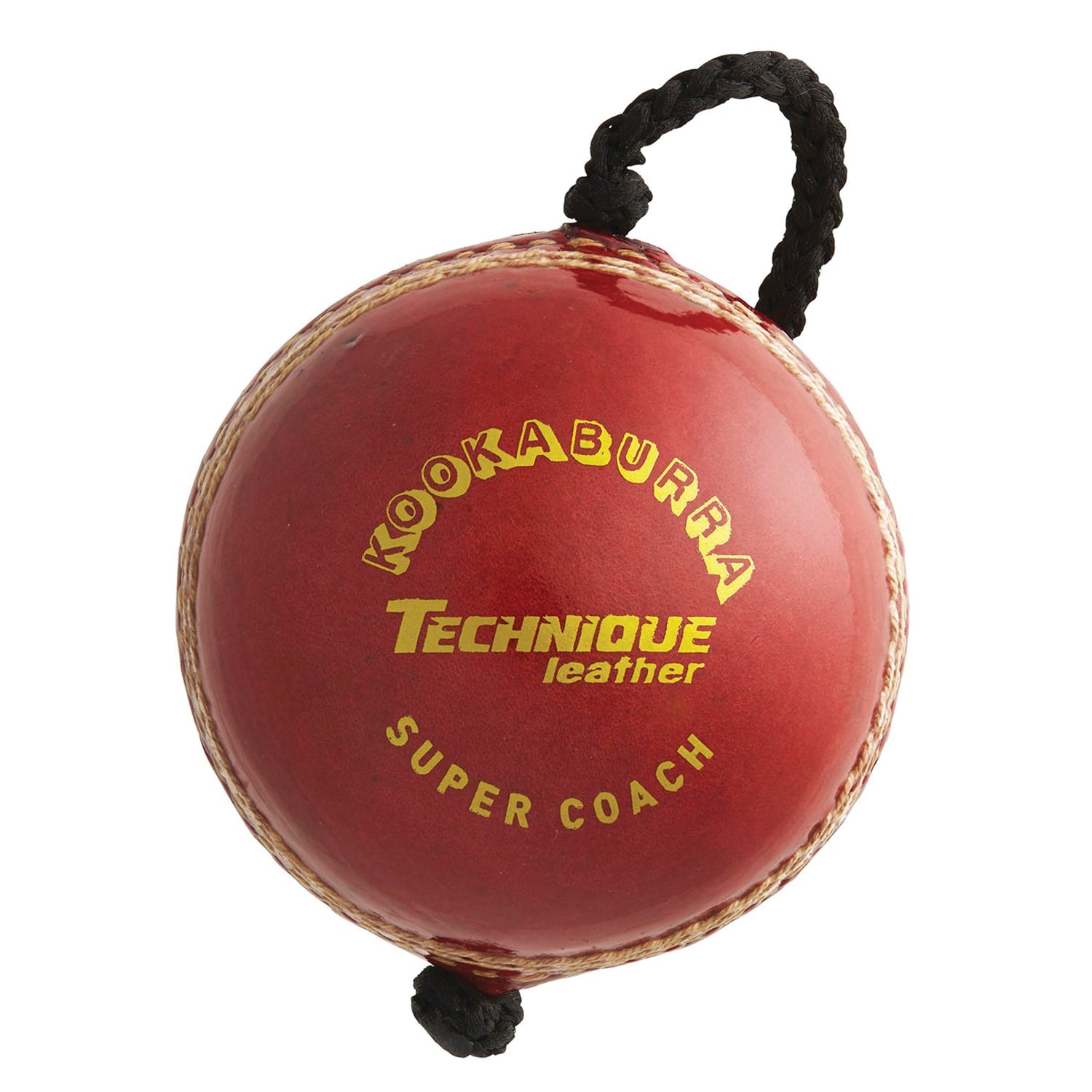
Two-piece balls are manufactured using two leather halves stitched together around the core.
They are commonly used for:
- Training
- School cricket
- Lower-grade matches
- Practice sessions
Benefits:
- Affordable
- Durable
- Excellent value
Four-Piece Cricket Balls
Four-piece balls use four leather quarters stitched together.
Benefits:
- More pronounced seam
- Better swing characteristics
- Preferred for higher-level cricket
- Used in most senior competitions
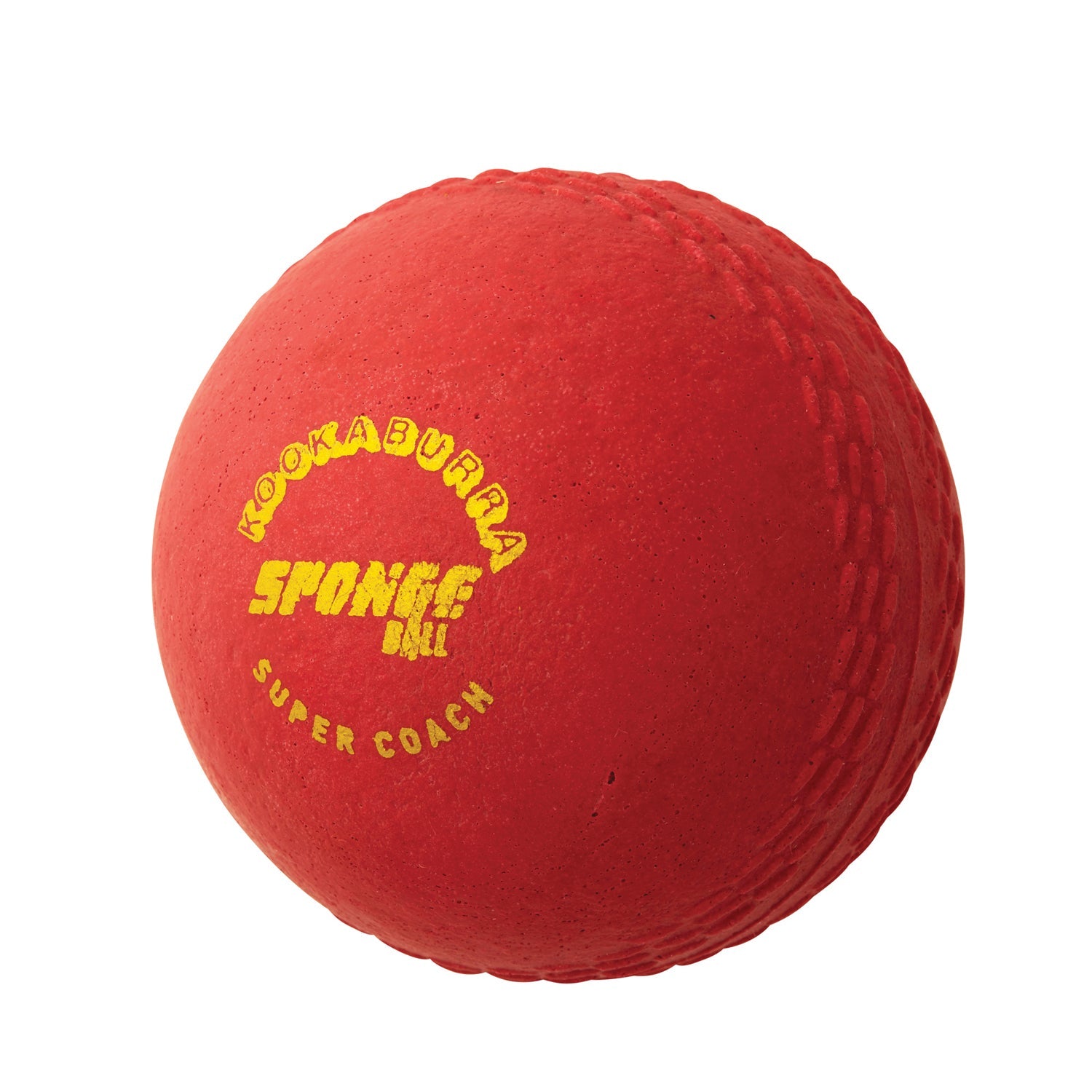
Synthetic Cricket Balls
Synthetic balls are ideal for:
- Backyard cricket
- Schools
- Coaching
- Synthetic wickets
Benefits:
- Weather resistant
- Durable
- Lower maintenance
Red, White & Pink Cricket Balls
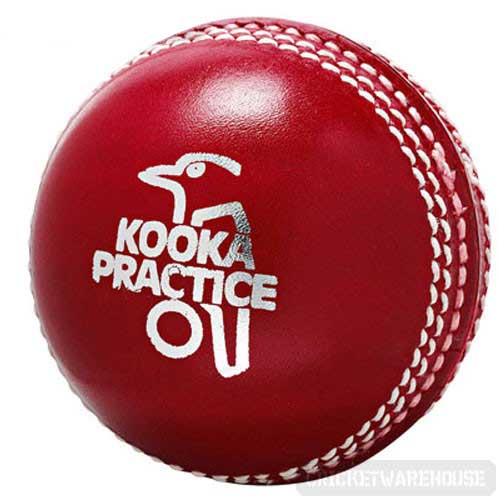
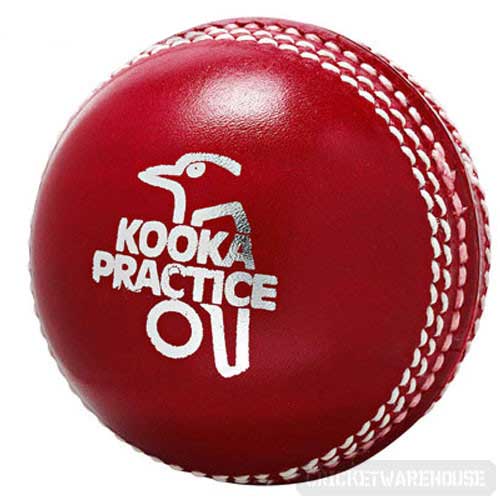
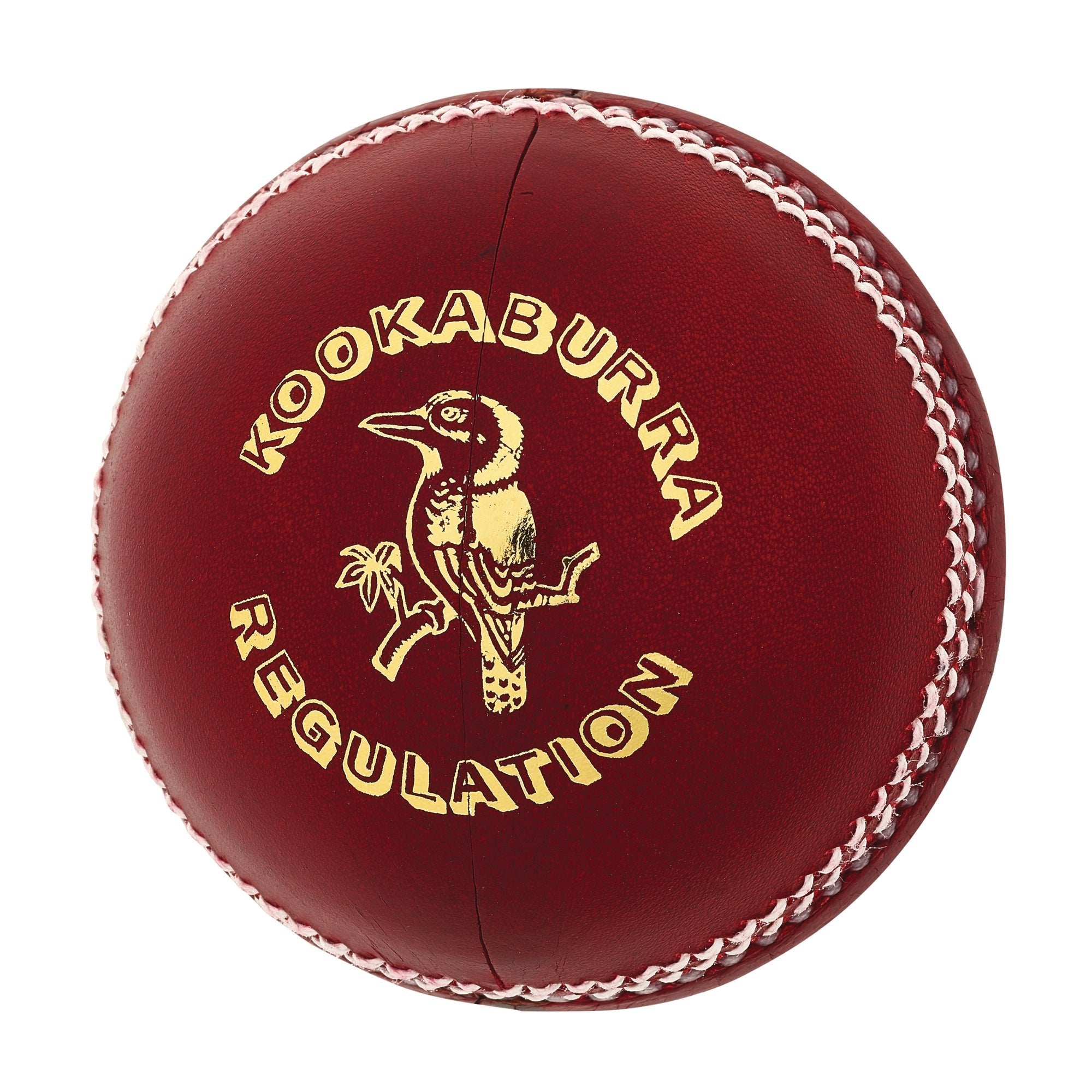
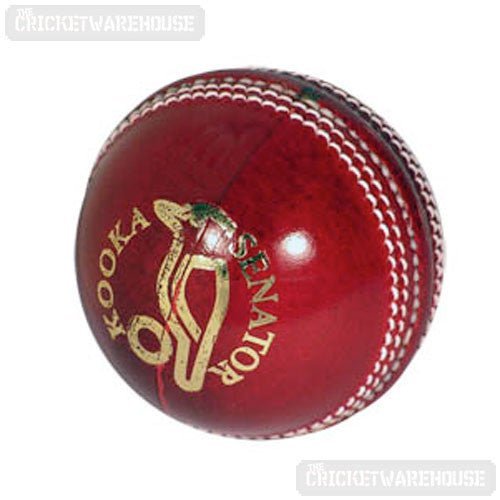
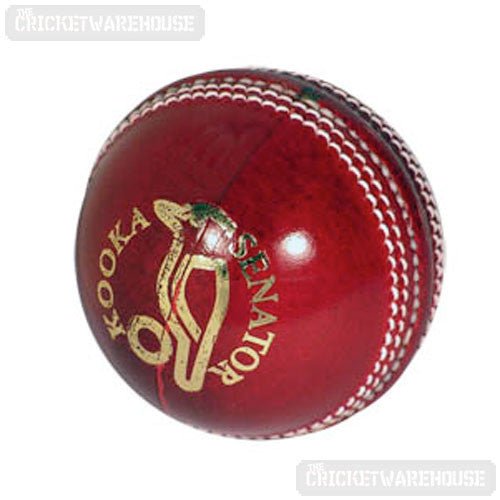
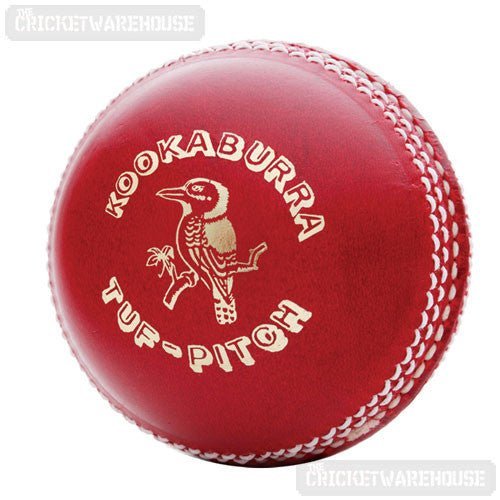
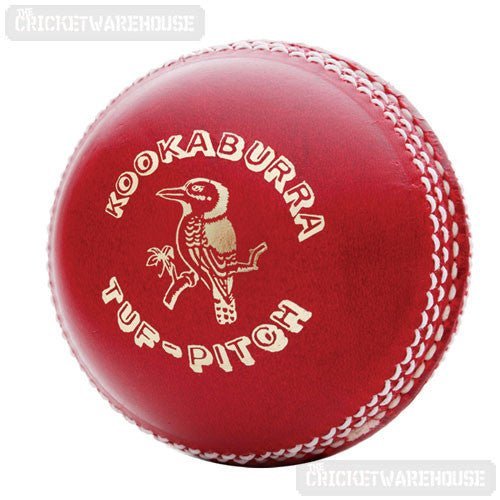
Red balls remain the standard for most traditional cricket.
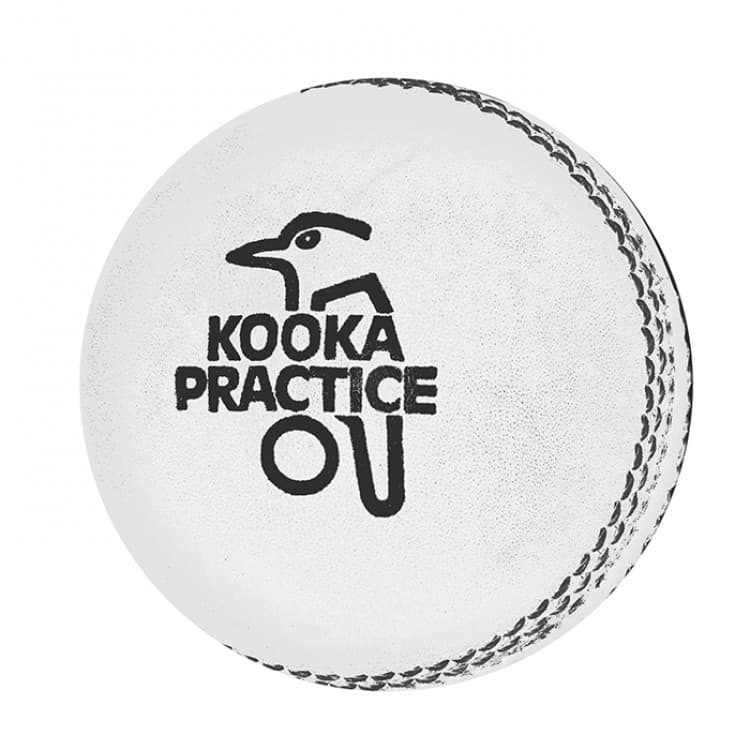
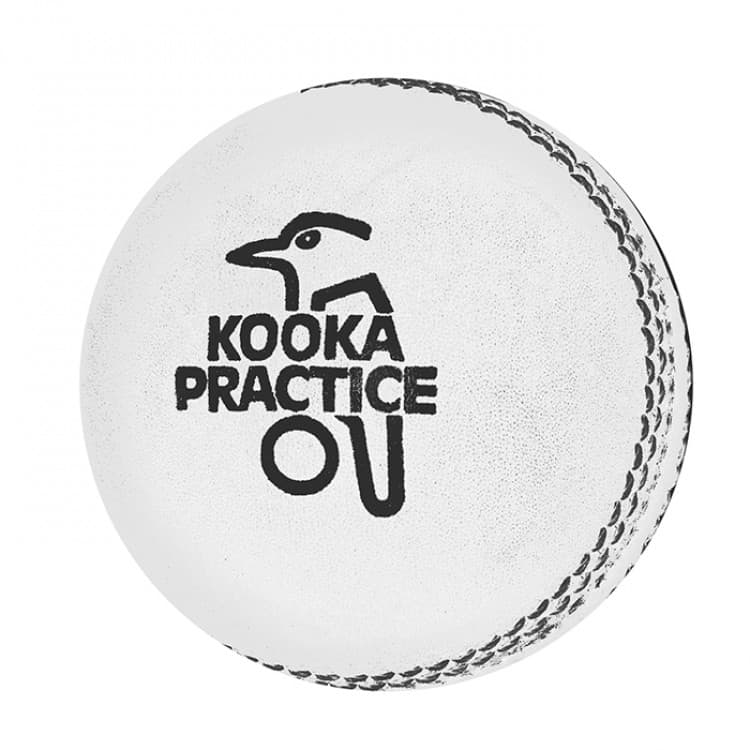
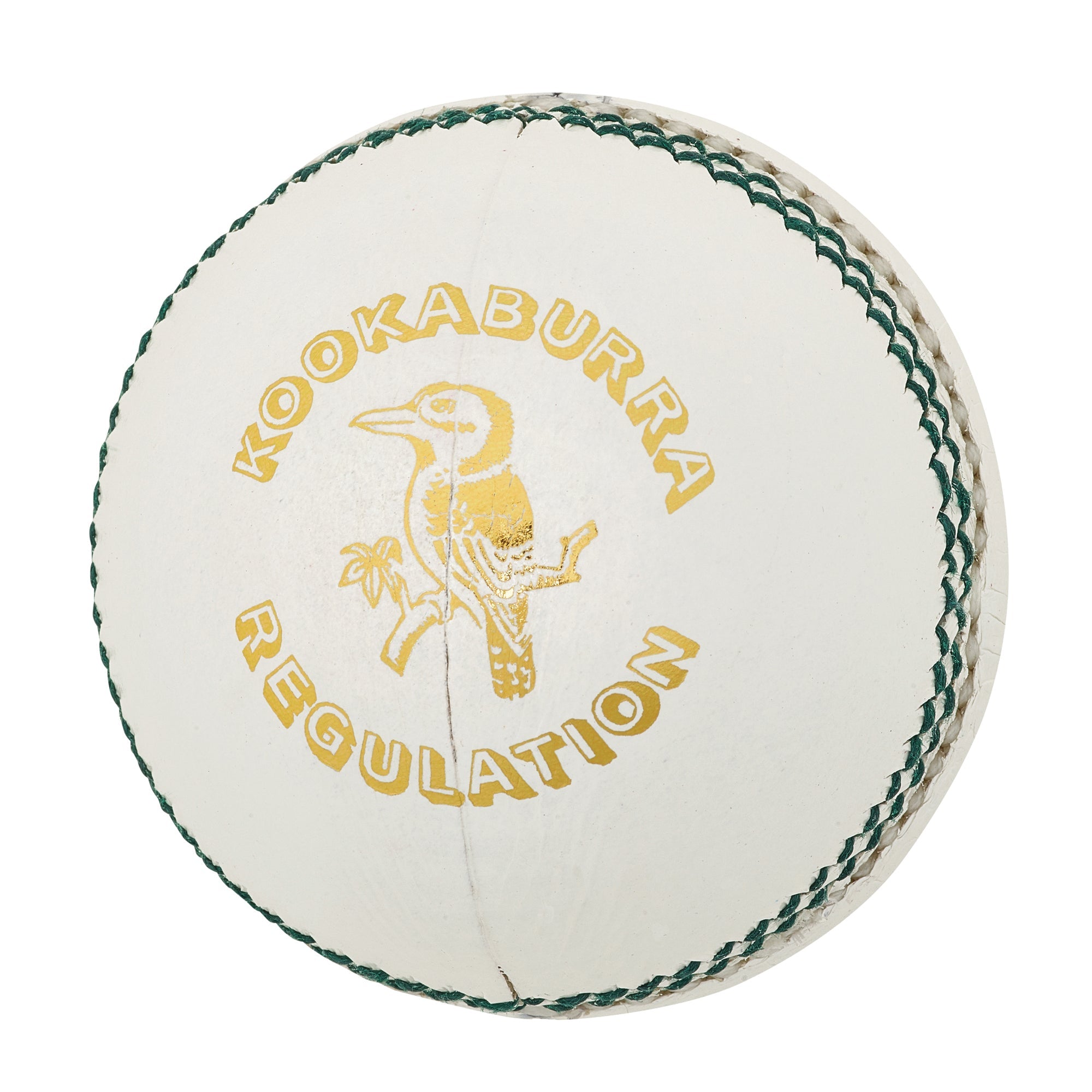
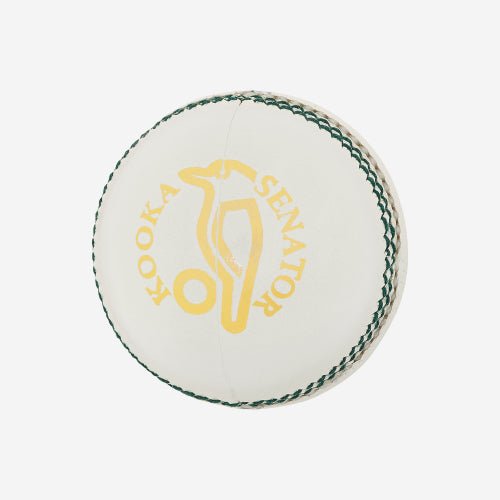
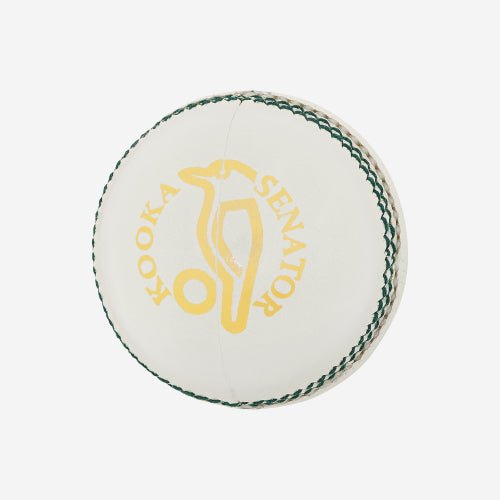
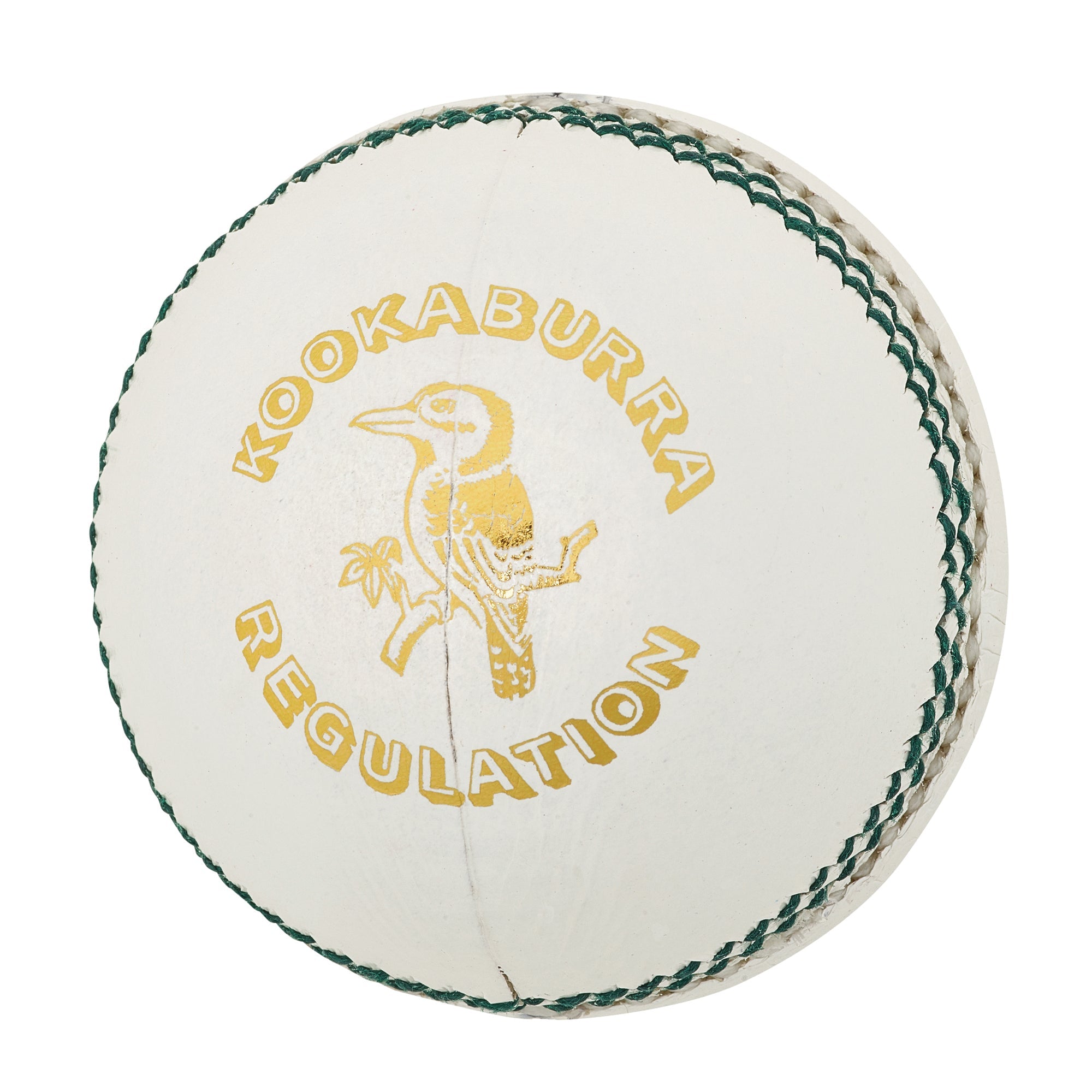
White balls are used primarily for limited-overs cricket and coloured clothing formats.
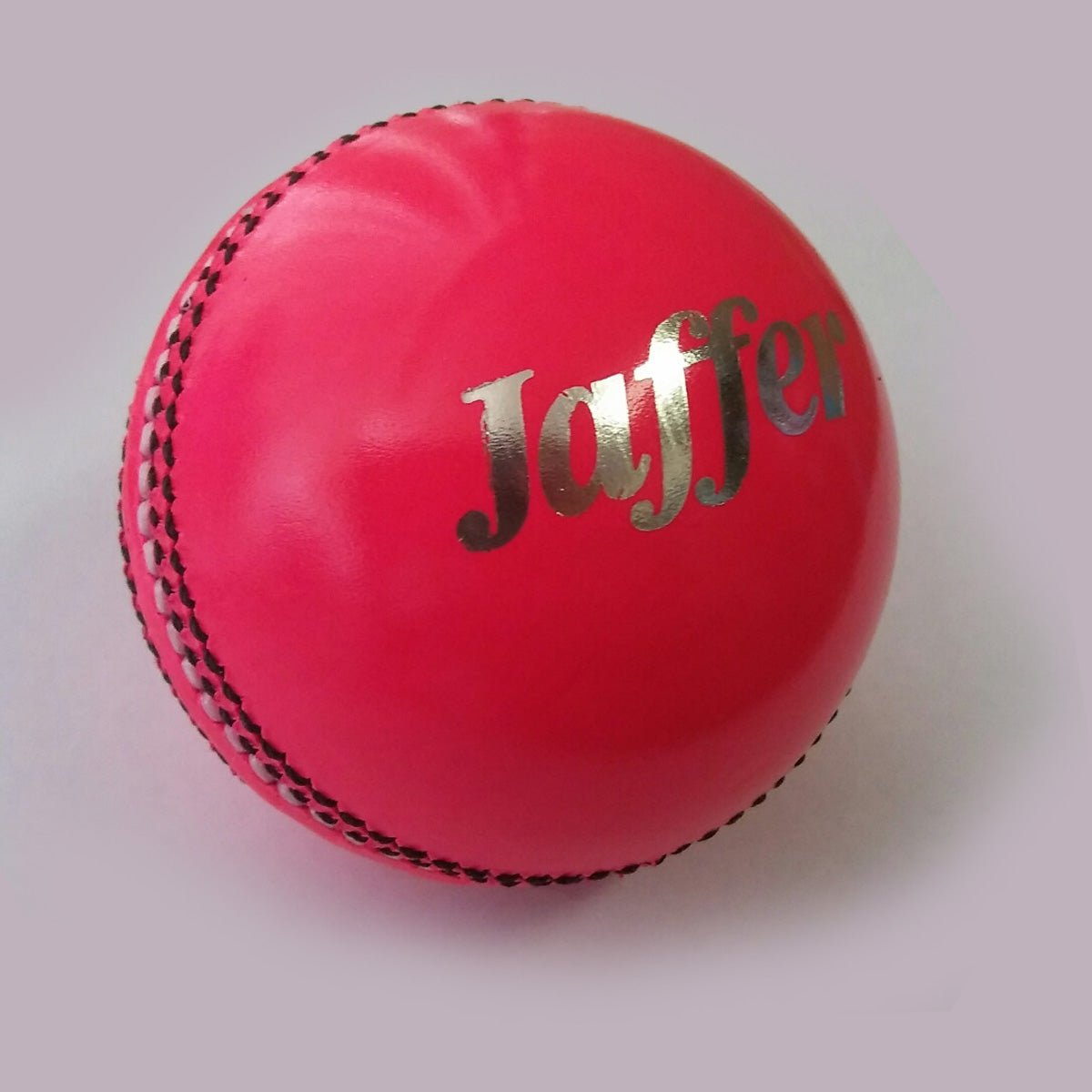
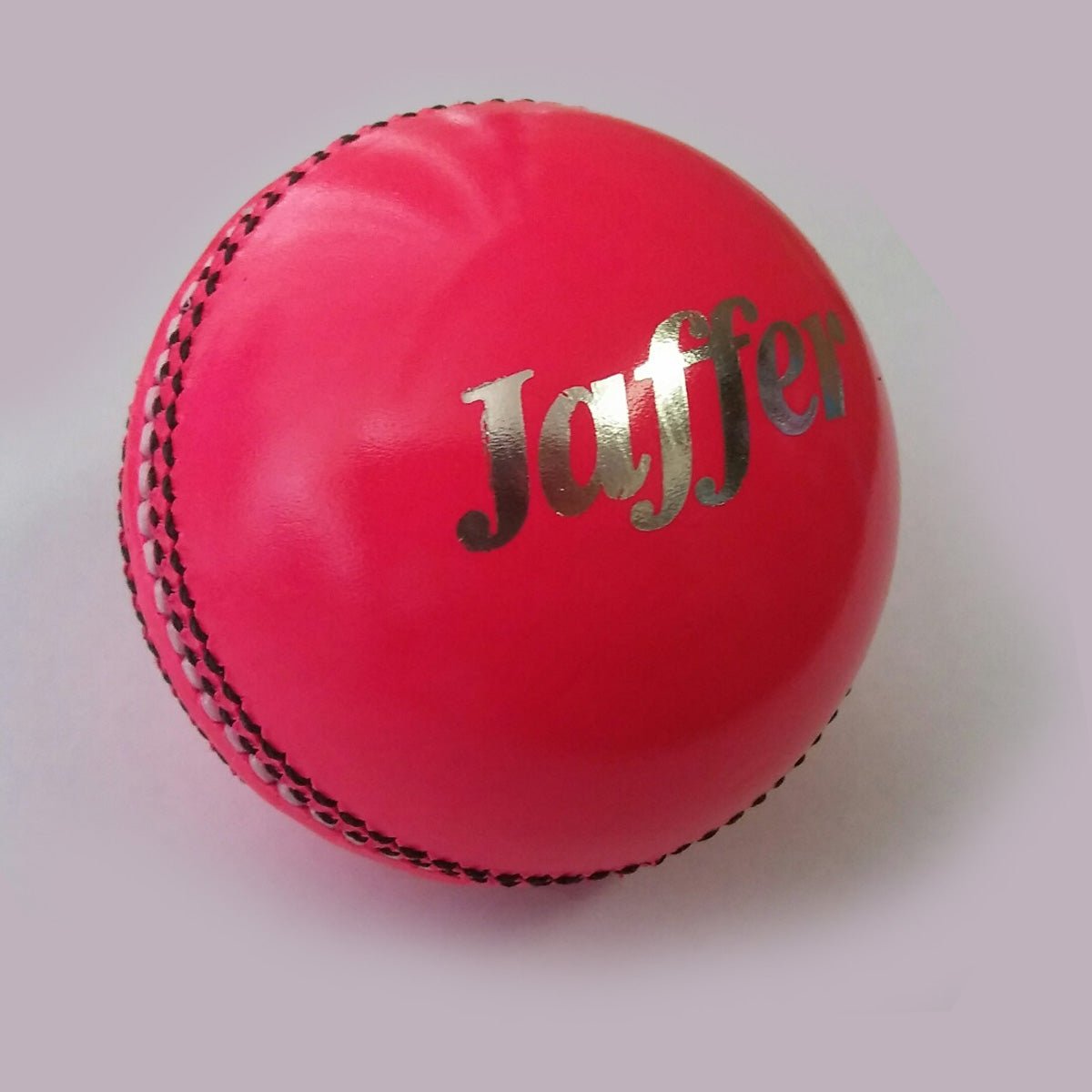
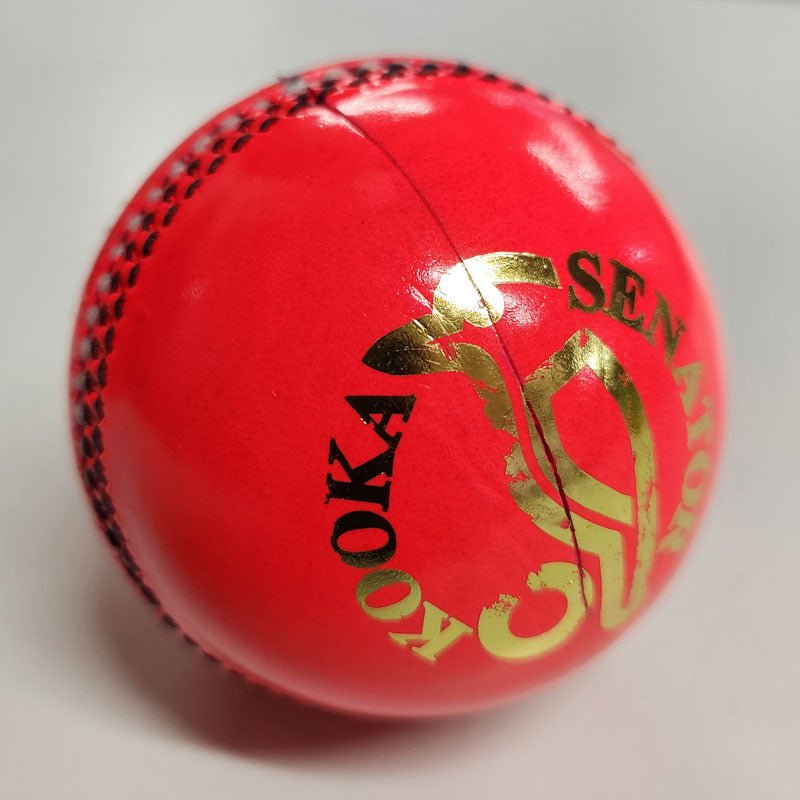
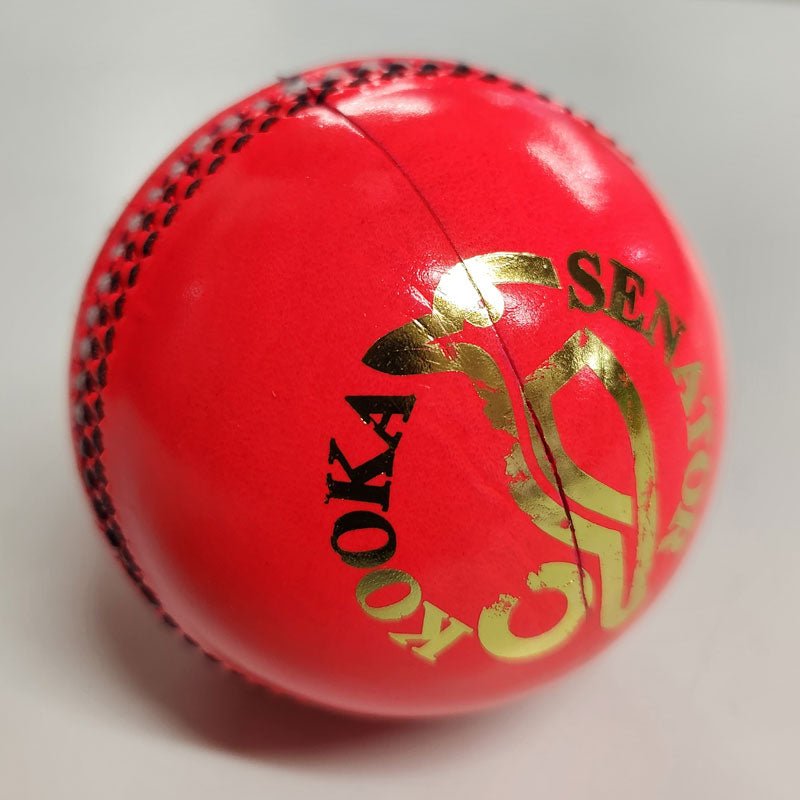
Pink balls are designed for day-night cricket and improved visibility under lights.
What is the difference between a two-piece and four-piece cricket ball?
The main difference is in the construction of the ball. Two-piece cricket balls are made from two leather halves stitched together around the core, making them a popular and affordable choice for training, schools and lower-grade cricket. Four-piece cricket balls are made from four leather quarters and generally provide a more pronounced seam, improved durability and greater consistency throughout a match. As a result, four-piece balls are the preferred choice for most senior and turf cricket competitions.
Which cricket ball should juniors use?
The best cricket ball for junior players depends on their age and competition requirements. Younger players often begin with softer or lighter-weight balls designed to build confidence and develop skills safely. As players progress through junior cricket, leather balls become increasingly common, with most boys transitioning from a 142g junior ball to a 156g senior ball at around 13 years of age. Girls' and women's cricket is generally played using a 142g ball.
How long should a cricket ball last?
The lifespan of a cricket ball depends on the quality of the ball, the playing surface and the level of cricket being played. Premium four-piece balls generally maintain their shape and performance for longer than two-piece balls, while synthetic wickets and training environments can accelerate wear. Regular practice balls may last for many sessions, while match balls are often replaced more frequently to maintain performance standards.
Can leather cricket balls be used on synthetic wickets?
Yes, leather cricket balls can be used on synthetic wickets and are commonly used in many school and club competitions played on artificial surfaces. However, synthetic wickets can cause balls to wear more quickly than turf pitches, particularly around the seam and outer leather surface. Many clubs and schools use two-piece balls on synthetic wickets due to their durability and value.
What colour cricket ball should I use?
The correct colour cricket ball depends on the format of cricket being played. Red cricket balls remain the standard choice for traditional cricket and most club competitions. White cricket balls are commonly used in limited-overs matches and coloured clothing formats, while pink cricket balls are designed for day-night cricket and improved visibility under lights. Always check your competition rules to determine which ball colour is required.
Looking for more details? Click the product information links below to explore cricket size guides, bat weights, equipment care tips, and detailed gear specifications — everything you need to choose the right cricket gear with confidence.


