
Explore Cricket Warehouse's range of cricket helmets, including children's and adult options, now on sale. Discover top brands like Masuri, Shrey, Gray Nicolls, Kookaburra, DSC, and Albion. Ensure safety and style on the field with our quality cricket helmets, Shop now 🏏

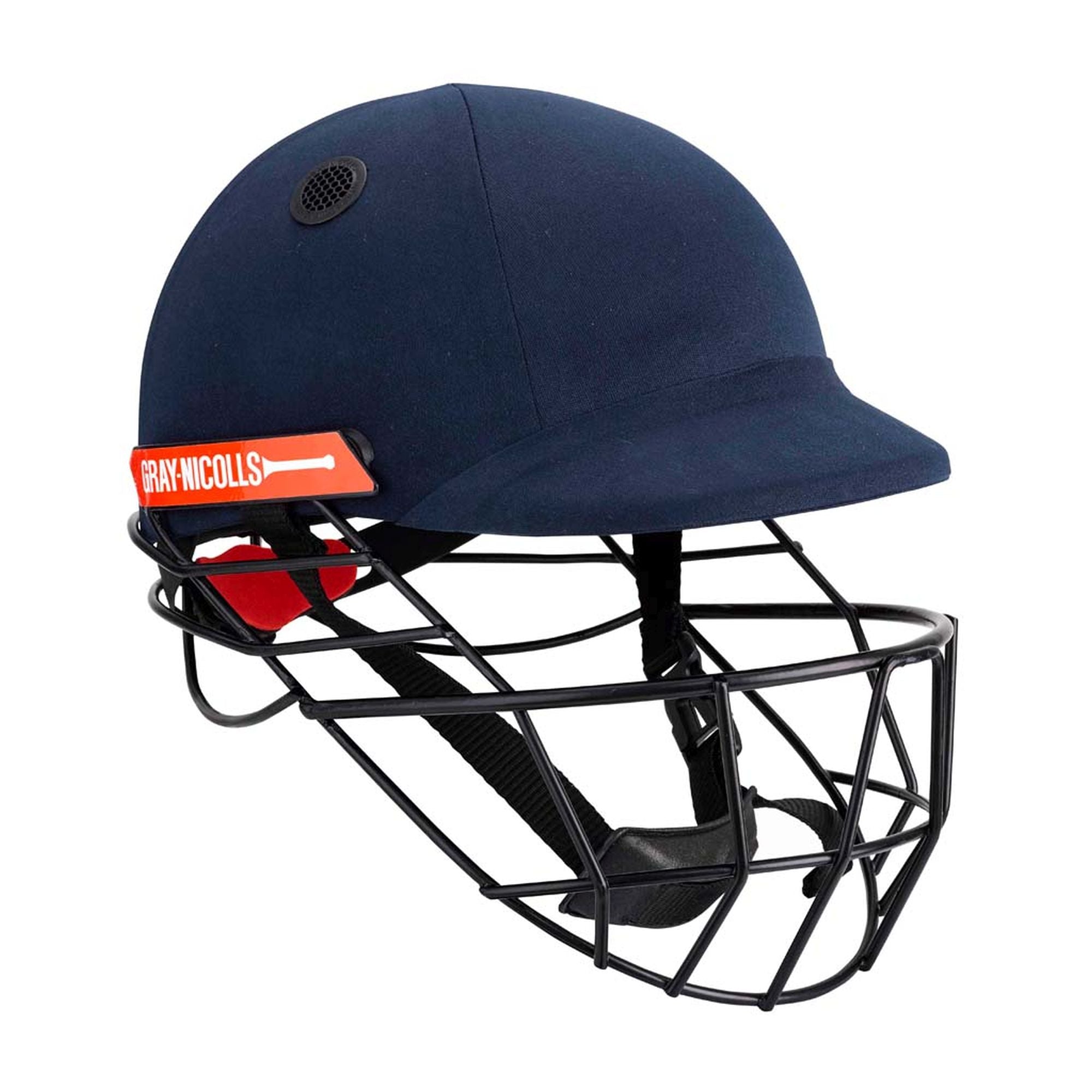
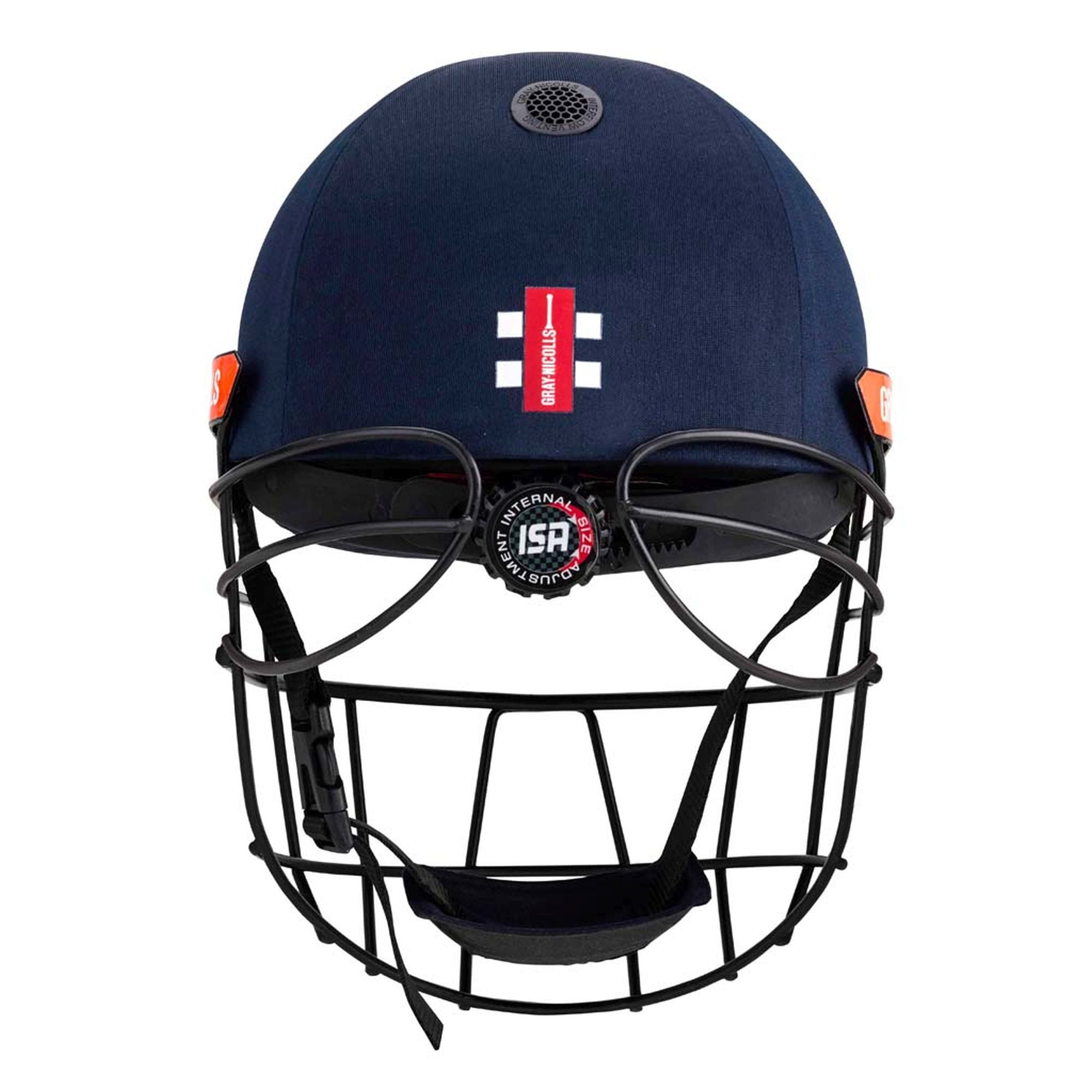
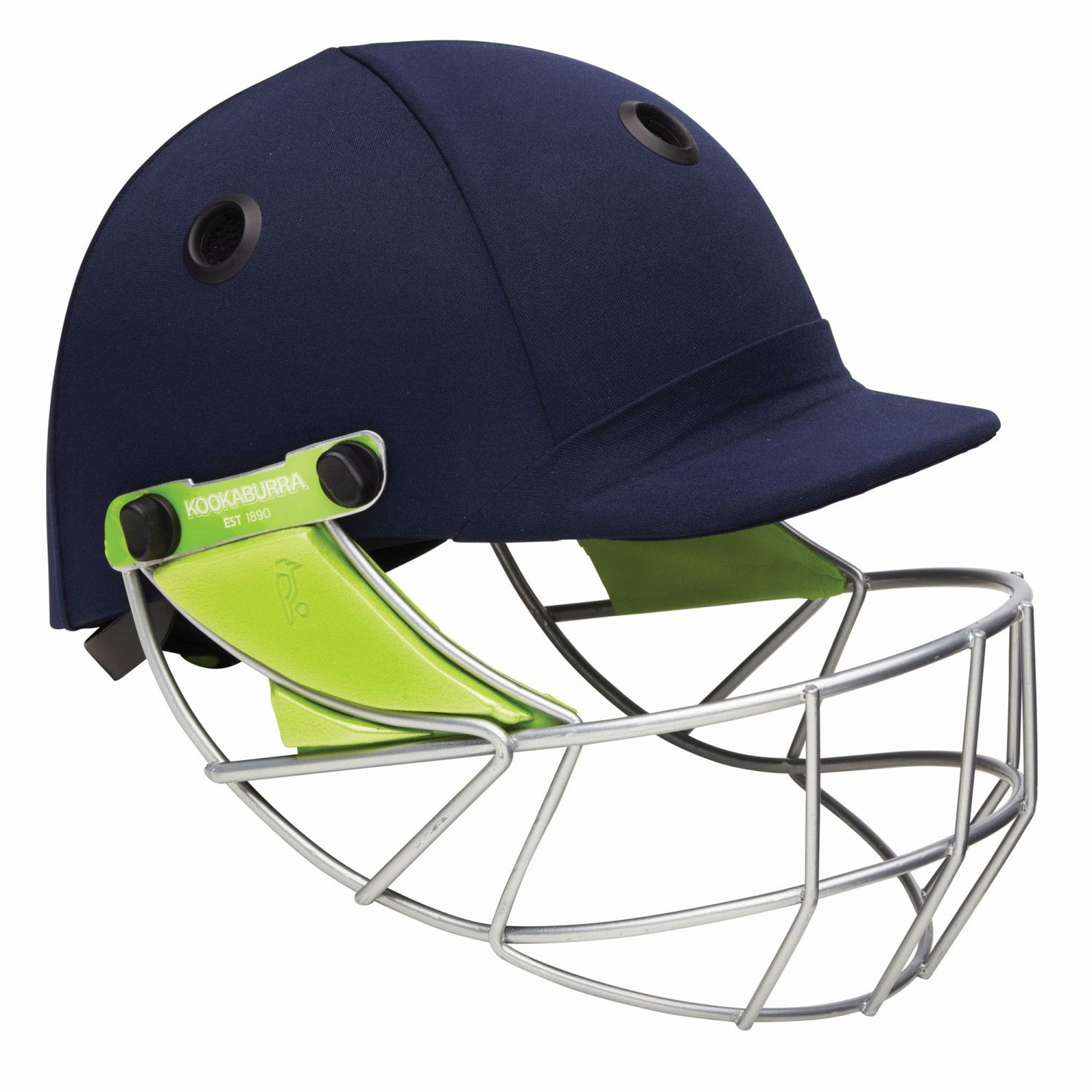
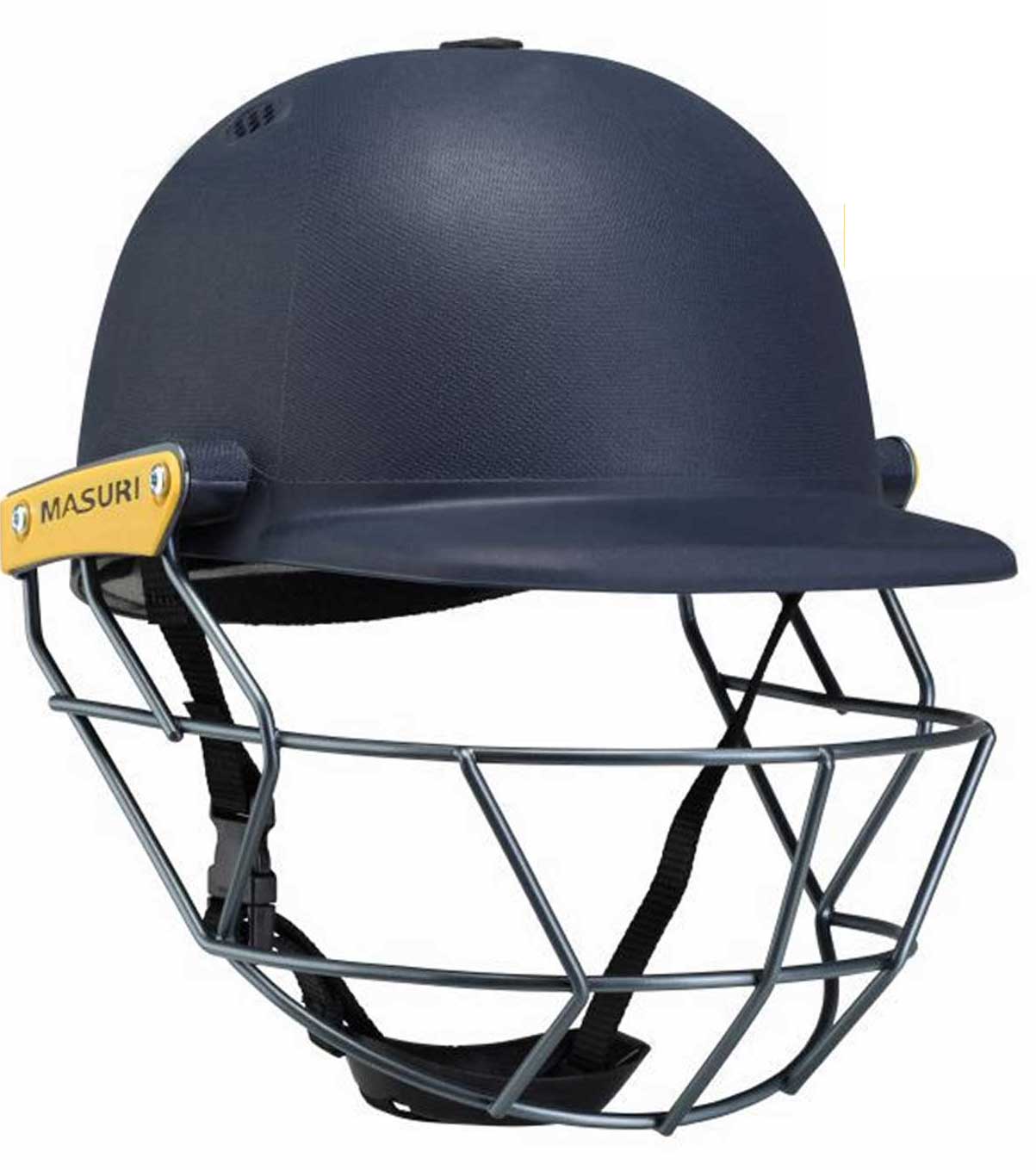
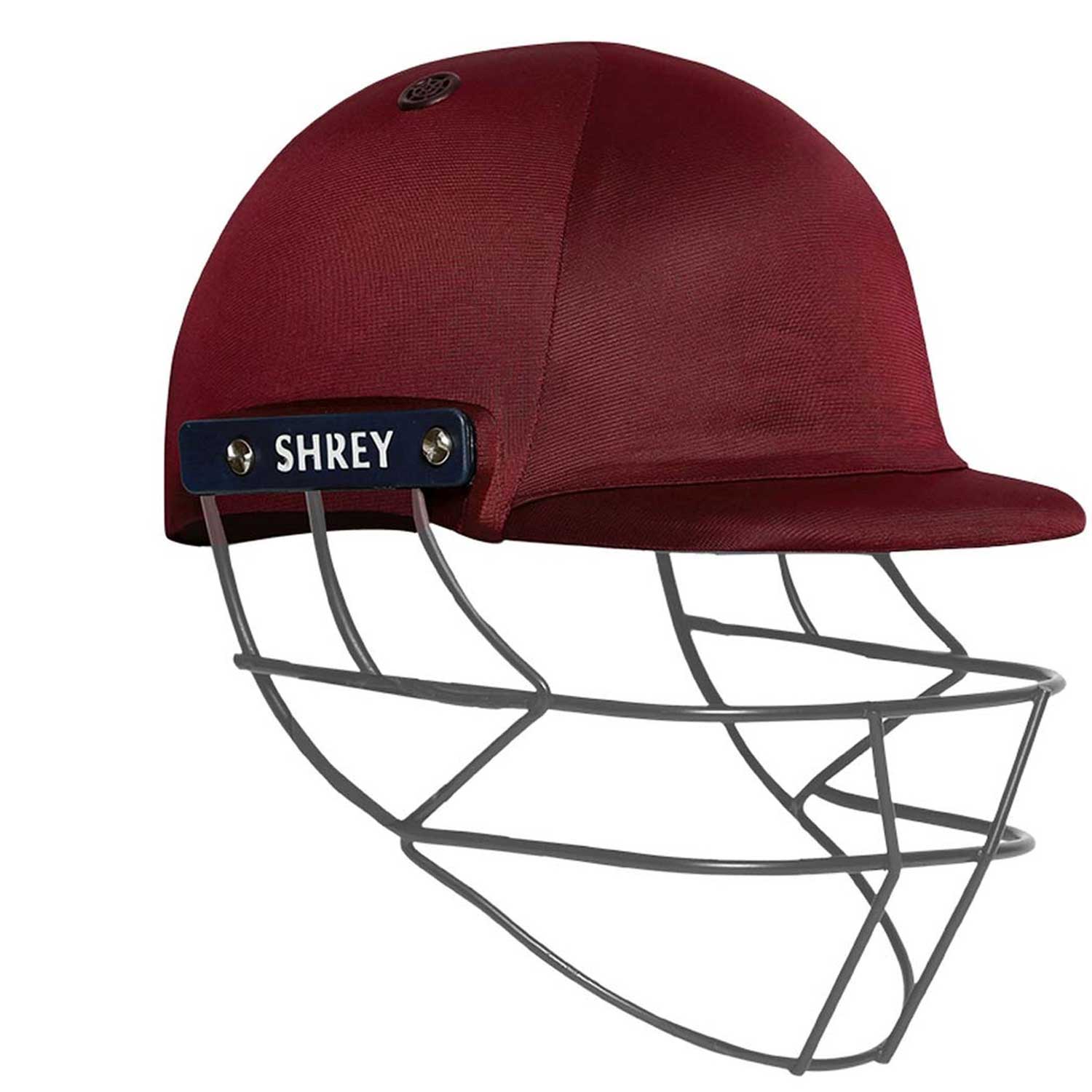
A correctly fitted cricket helmet should feel secure and comfortable on the head without excessive movement. While helmet sizing charts provide a useful starting point, proper fit should always be checked before taking the field.
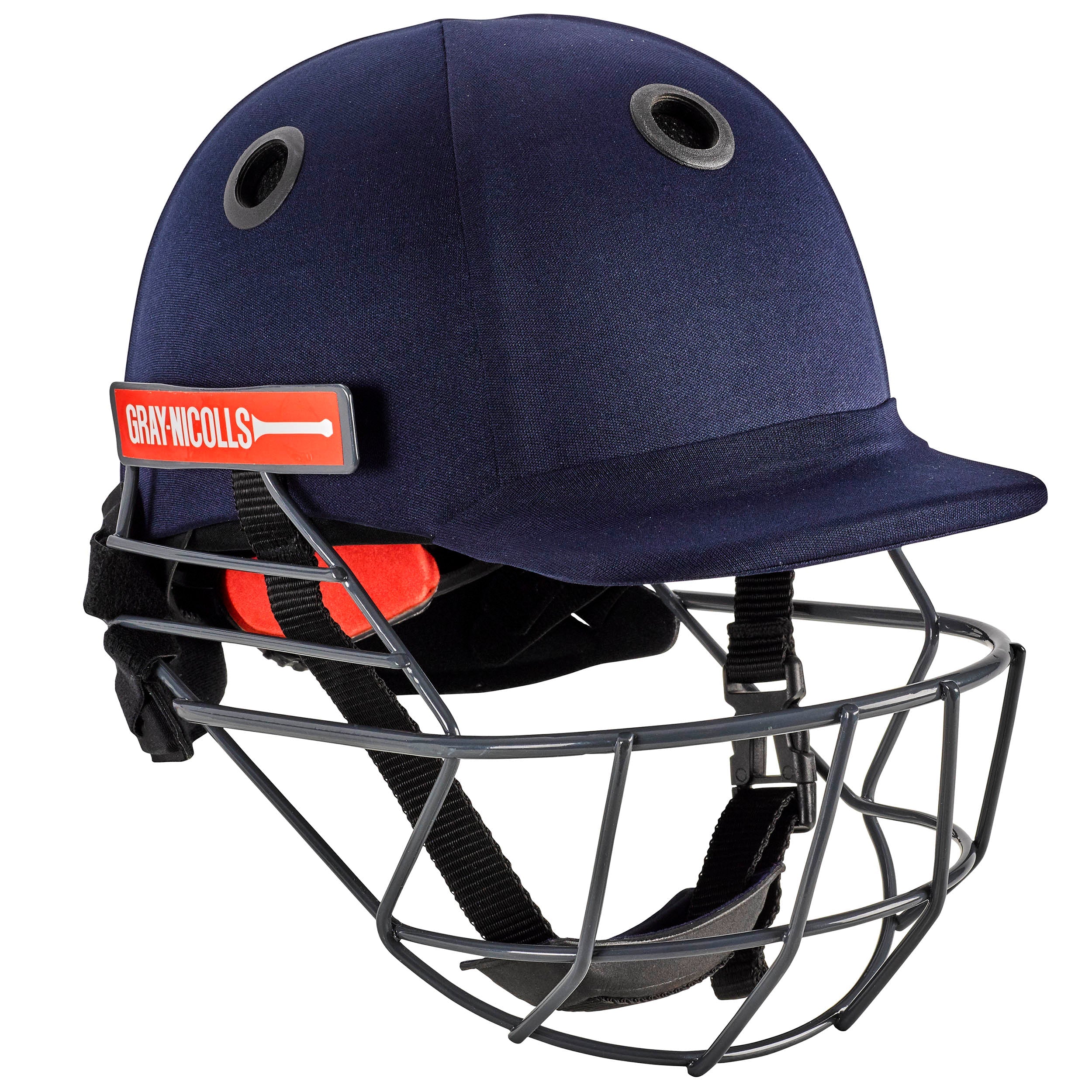
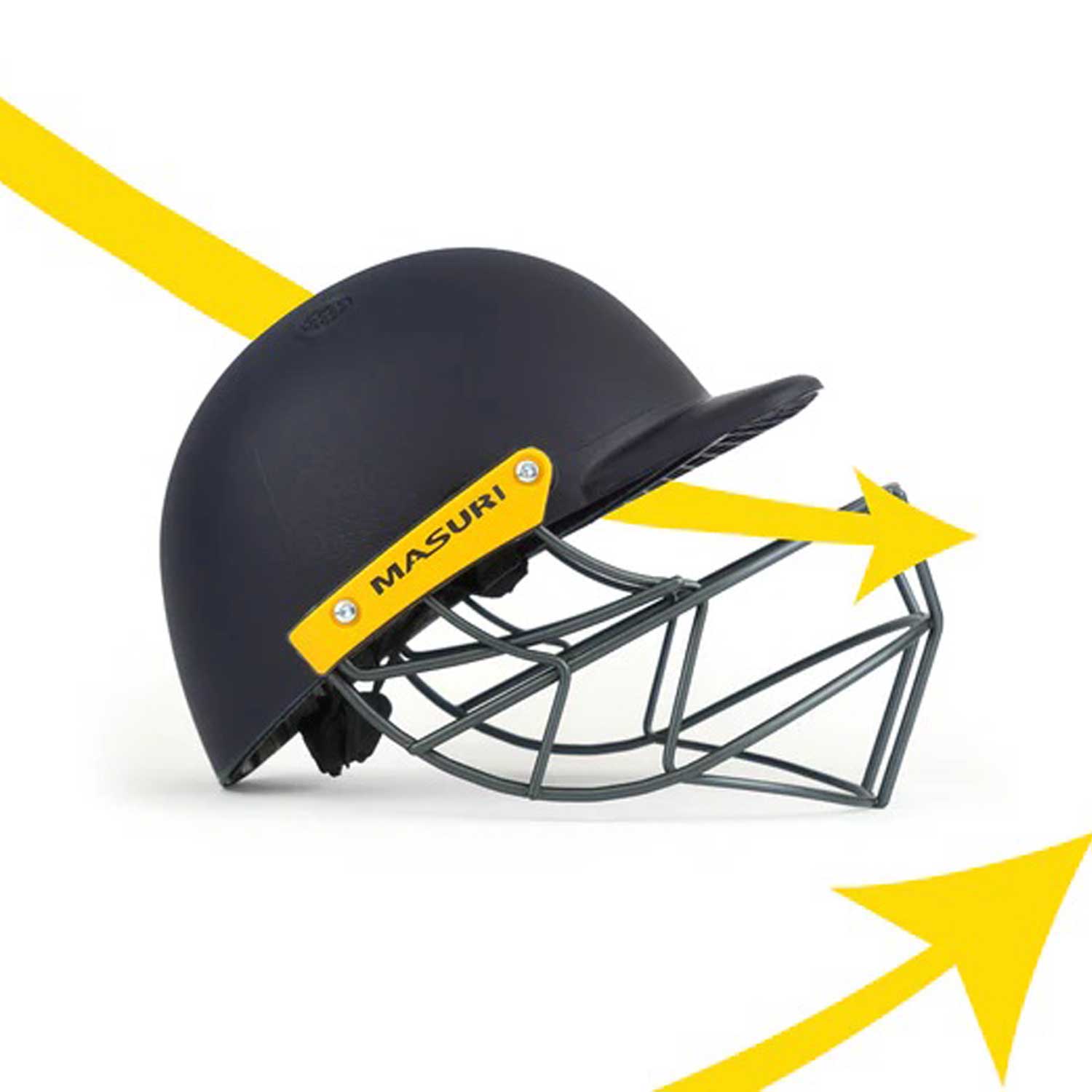
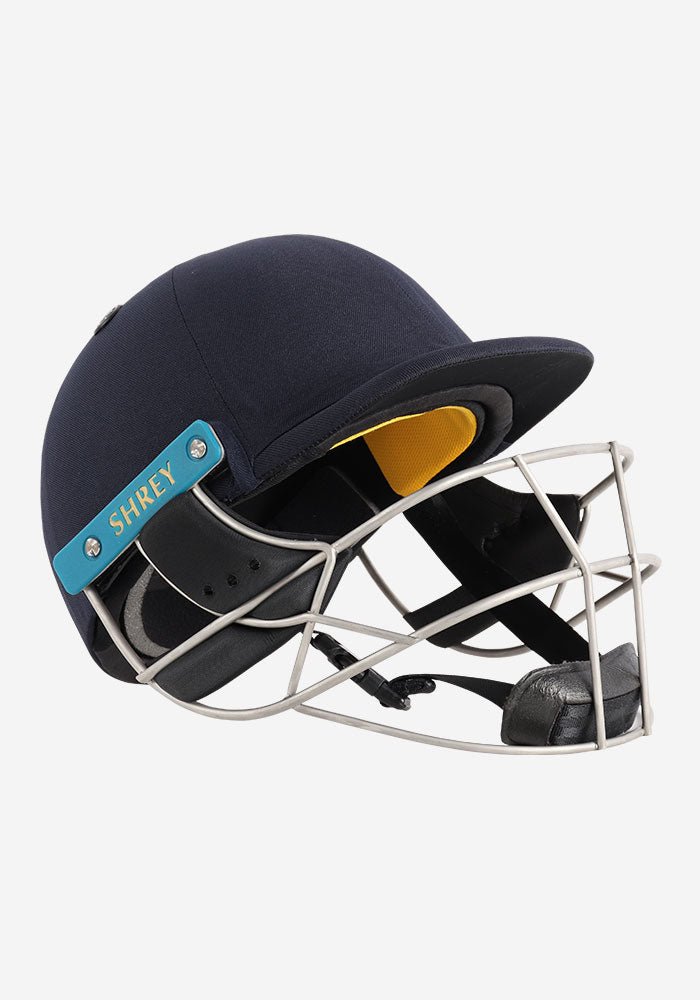
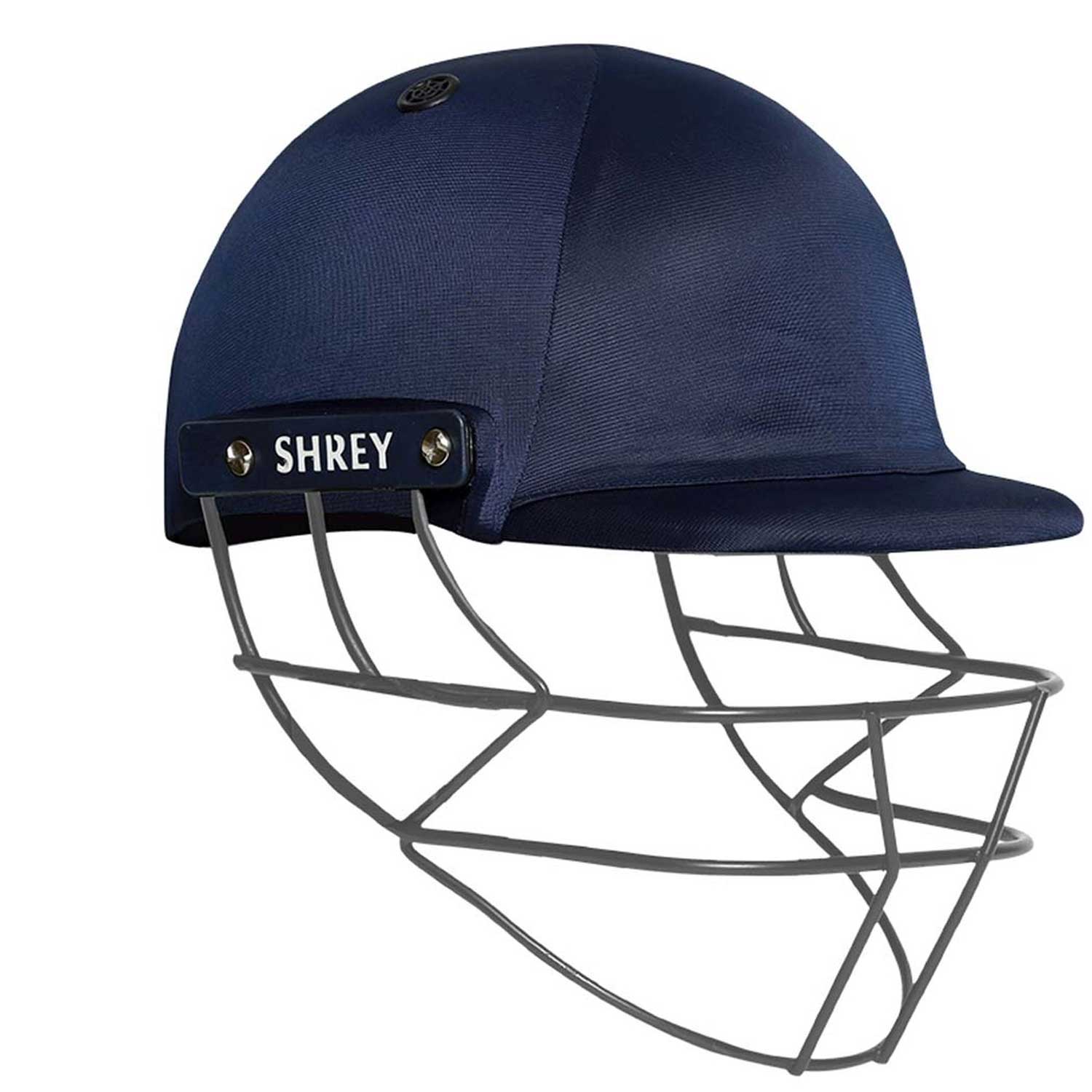
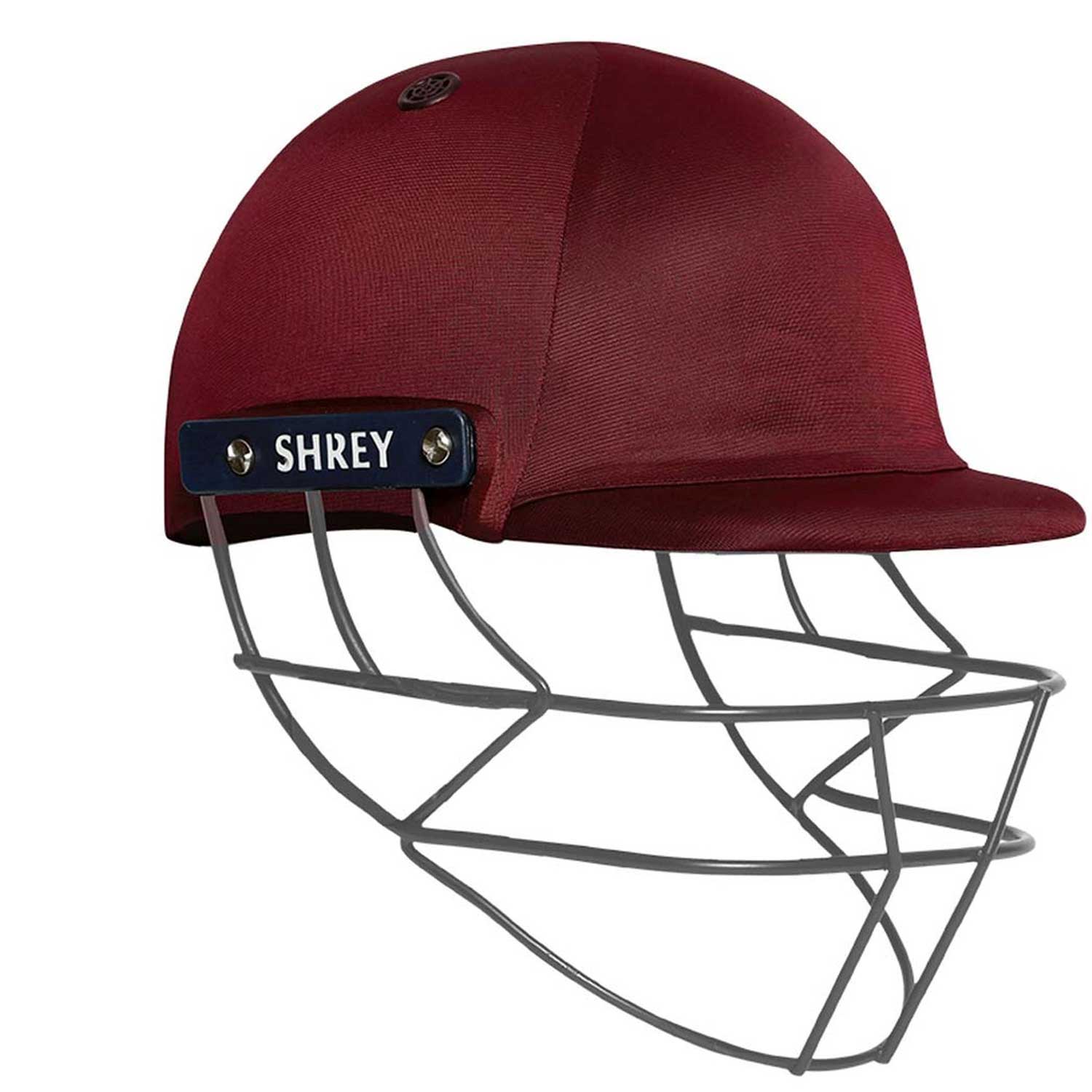
One of the most important safety checks is the distance between the player's chin and the helmet grill. When wearing the helmet correctly, there should be approximately two finger widths between the chin and the inside of the grill. This gap is critical because if the grill is struck by the ball, it allows sufficient clearance to help prevent the grill from making contact with the player's face.
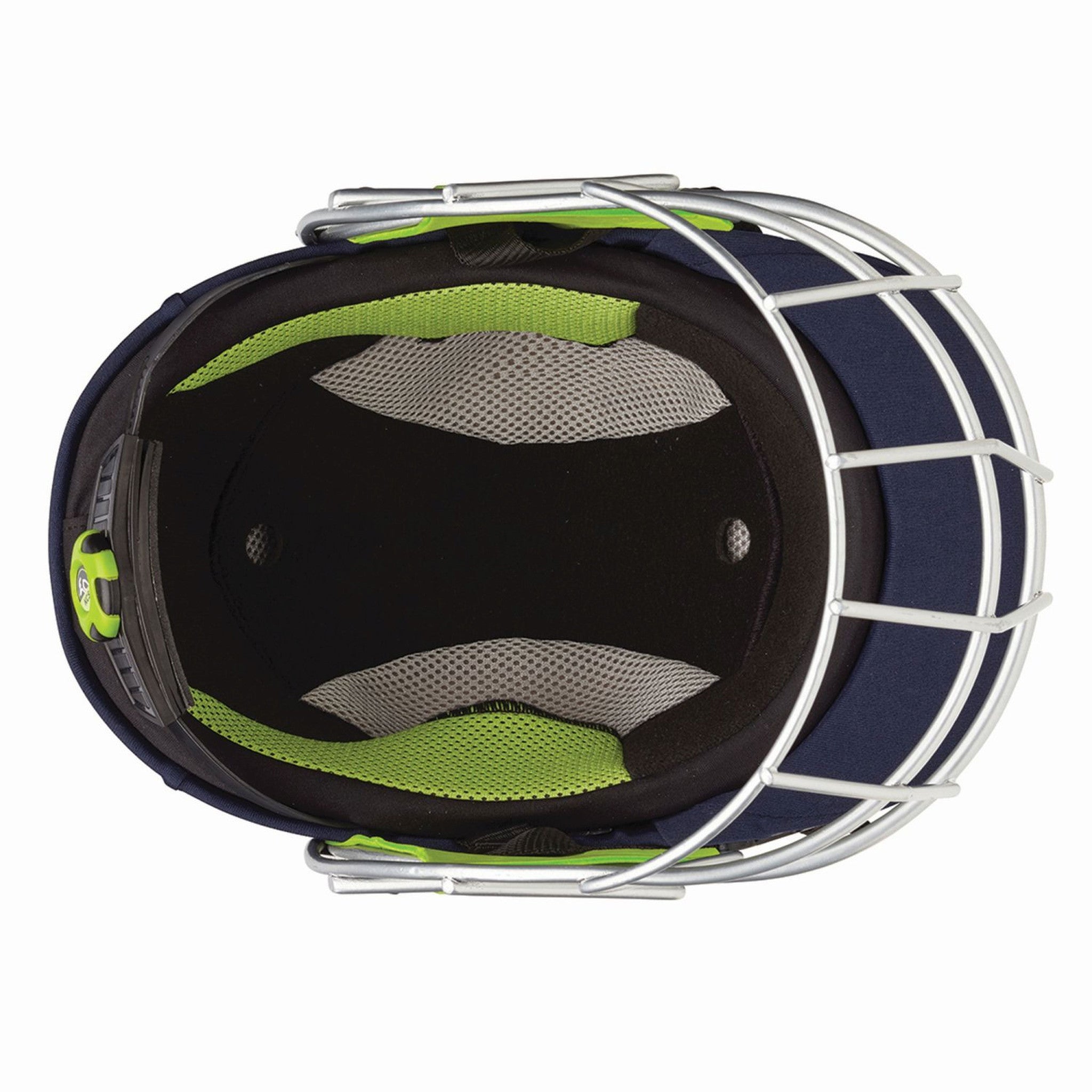
The helmet should also sit firmly on the head without wobbling or shifting excessively when walking, running or turning. A loose-fitting helmet can move during play, potentially dropping over the eyes and restricting vision while running between wickets or facing a delivery. A properly fitted helmet should remain stable during movement while still feeling comfortable enough to wear for extended periods.
When trying on a cricket helmet, always check both grill clearance and overall stability. A helmet that is too loose may compromise protection and visibility, while a helmet that is too tight can become uncomfortable during long periods at the crease.
Why Neck Guards on Cricket Helmets Are Becoming So Important
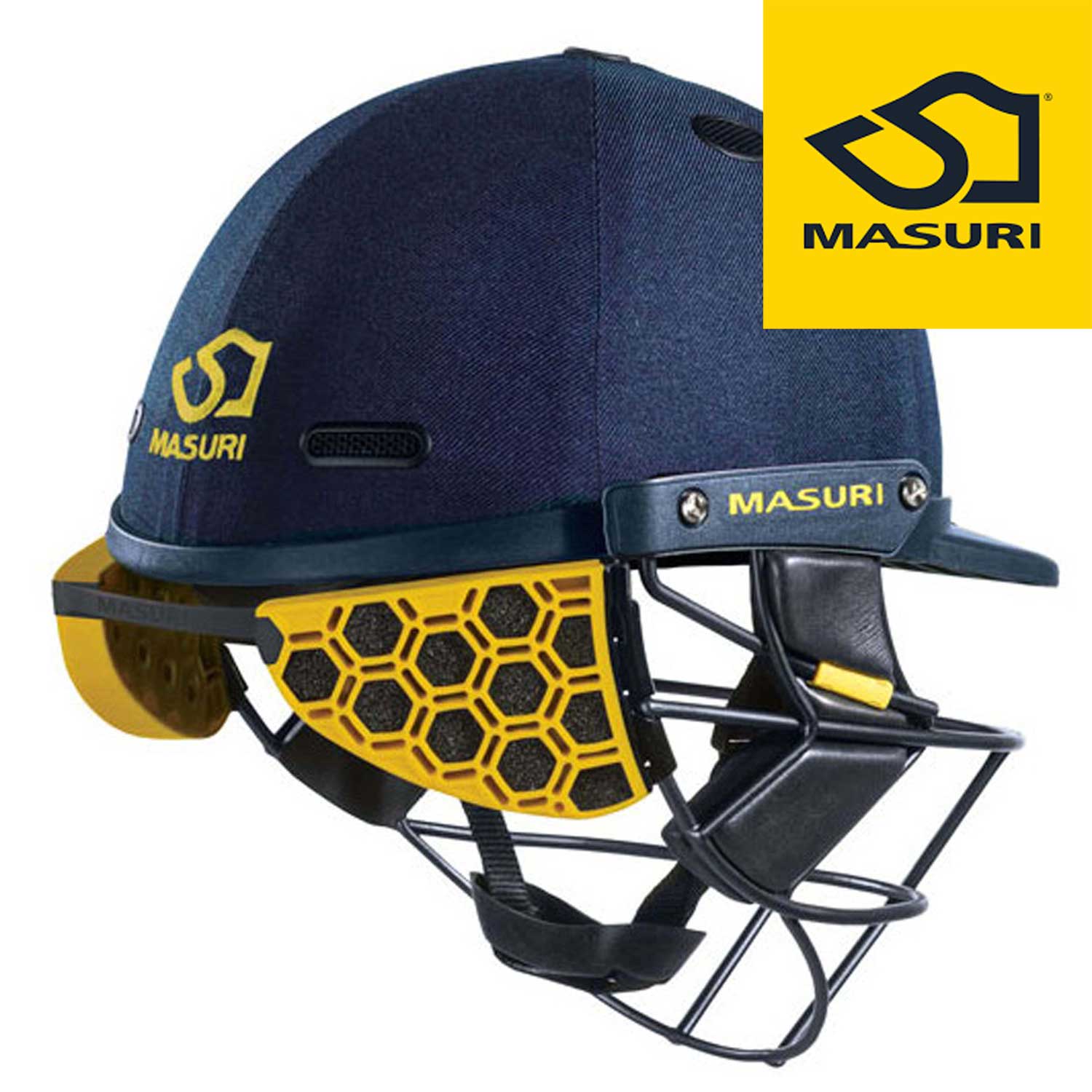
Cricket helmets have improved a lot in recent years, and one of the most notable additions has been the introduction of neck guards. While they may seem like a small attachment, they provide important extra protection to an area of the body that has traditionally been more exposed.
As the modern game has become faster and more aggressive, neck guards are now being seen as a valuable addition to a complete helmet setup rather than just an optional extra.
Why the neck area needs extra consideration
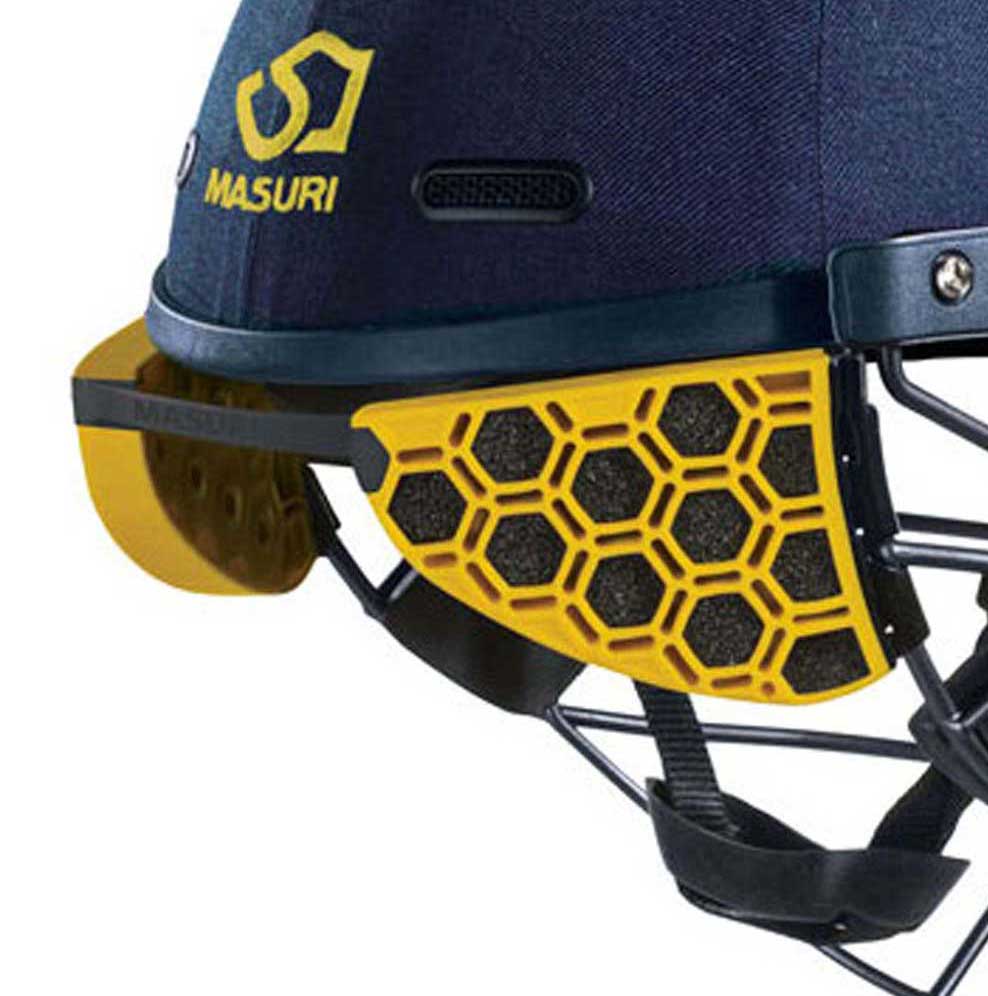
A cricket helmet does an excellent job of protecting the head and face, but it naturally leaves the lower rear section of the head and upper neck more exposed. Even when a helmet fits correctly, there is still a small gap between the helmet and the top of the shoulders. This gap is necessary for comfort and movement, but it also means the upper neck area is less covered than other parts of the head.
How neck guards help
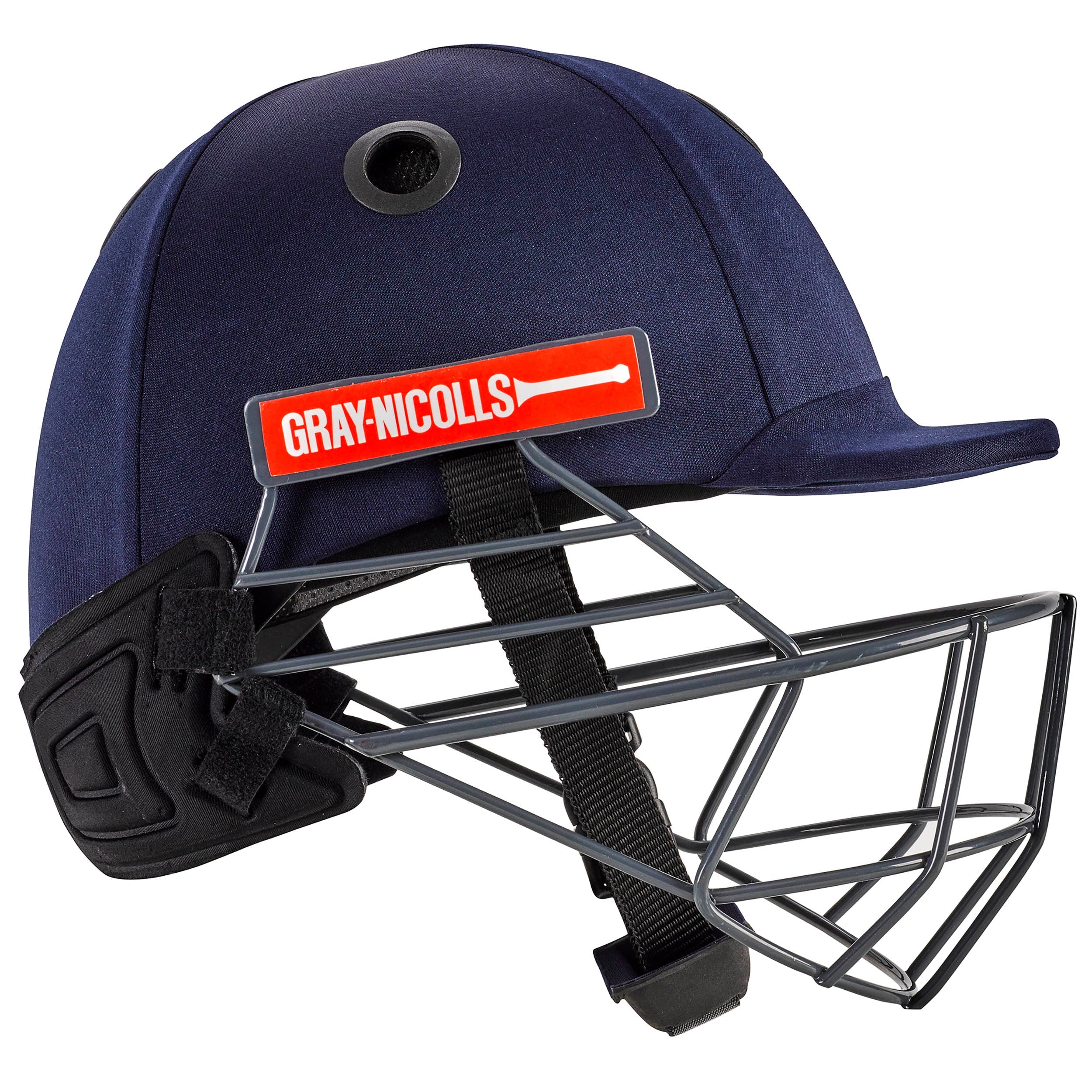
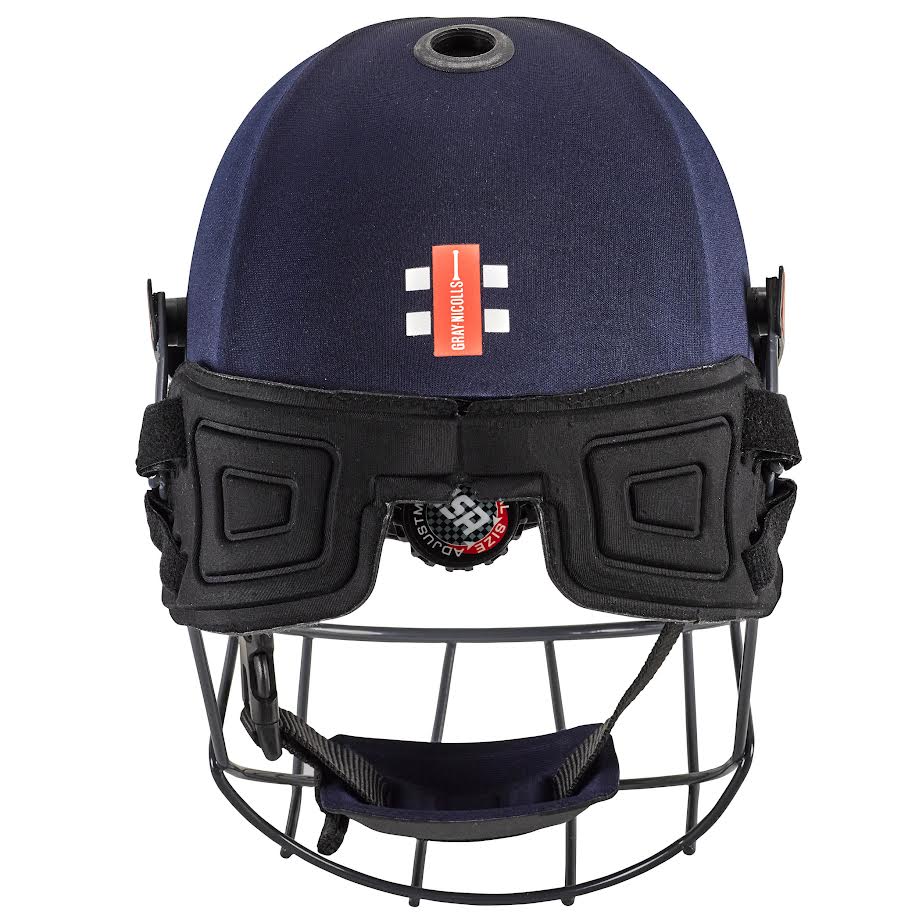
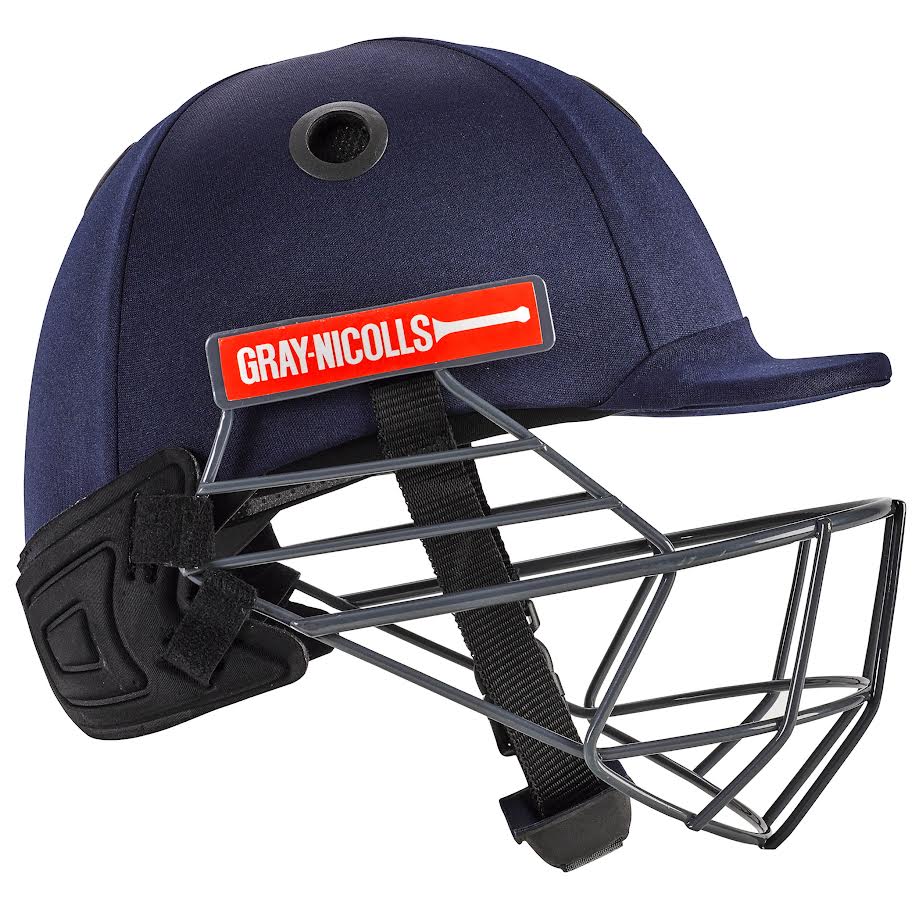
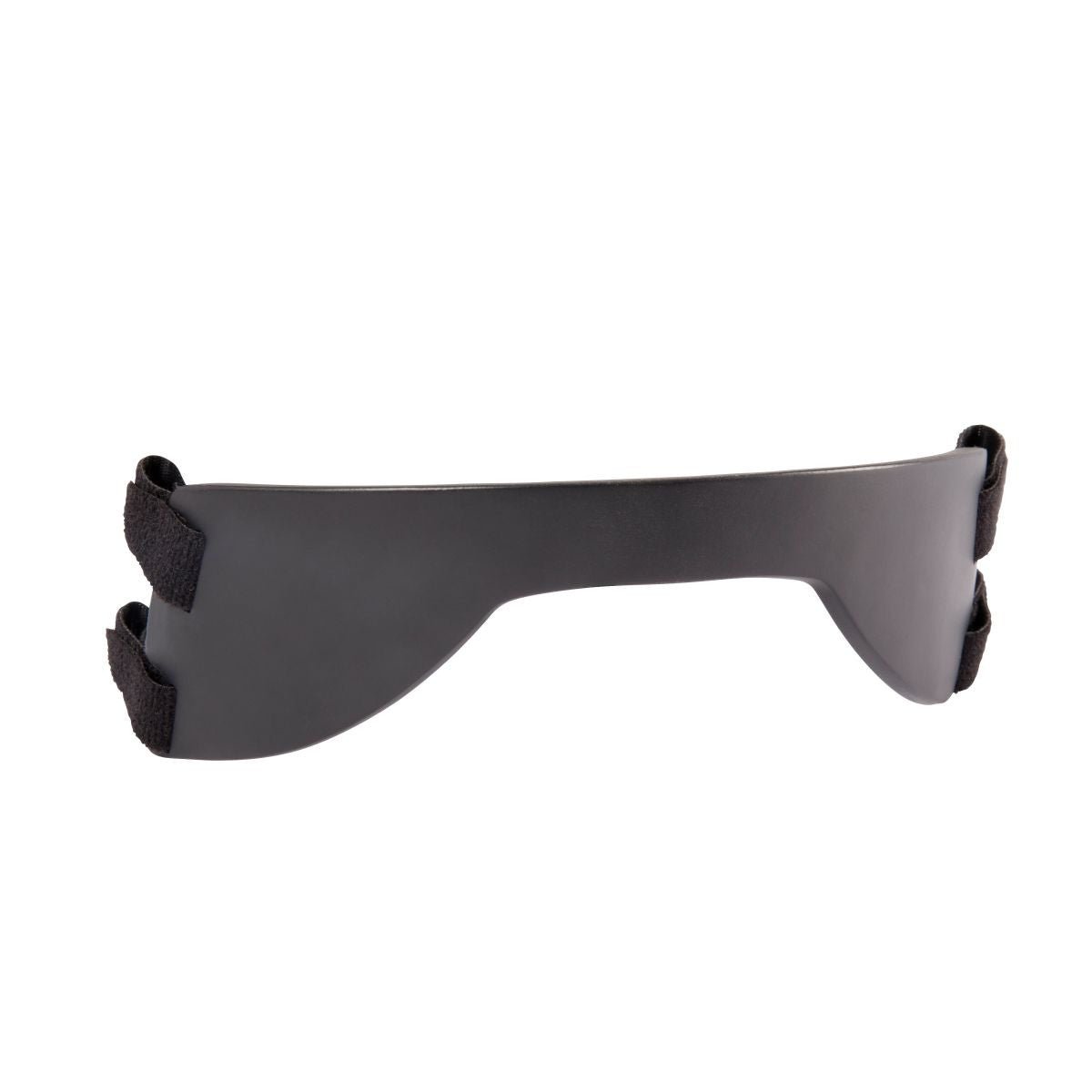
Neck guards are designed to extend protection to this exposed area by attaching to the rear of the helmet and covering the gap at the base. They help by adding an extra layer of coverage at the back of the helmet, reducing direct exposure to the upper neck area and helping protect against glancing or deflected impacts. Importantly, they are designed to move with the helmet, so they don’t interfere with head movement or batting comfort.
The increased use of pace bowling and short-pitched deliveries has led to more attention on head protection in general. While serious neck injuries in cricket are rare, even low-probability risks are being taken more seriously at all levels of the game. As a result, many players are now choosing helmets with integrated neck protection as part of their regular setup, especially in junior and club cricket.
Comfort and usability still matter
Earlier versions of neck guards were often bulky or uncomfortable, which made them less popular. However, modern designs are much lighter and more flexible, making them easier to wear for long periods.
Most players find that once fitted correctly, they barely notice the difference — which is an important factor in ensuring they are actually used consistently.
Neck guards are a simple but important evolution in cricket helmet design. They provide extra coverage in an area that has traditionally been less protected, without affecting comfort or performance.
While they are not mandatory in most levels of cricket, they are becoming a common choice for players who want a more complete level of protection at the crease.
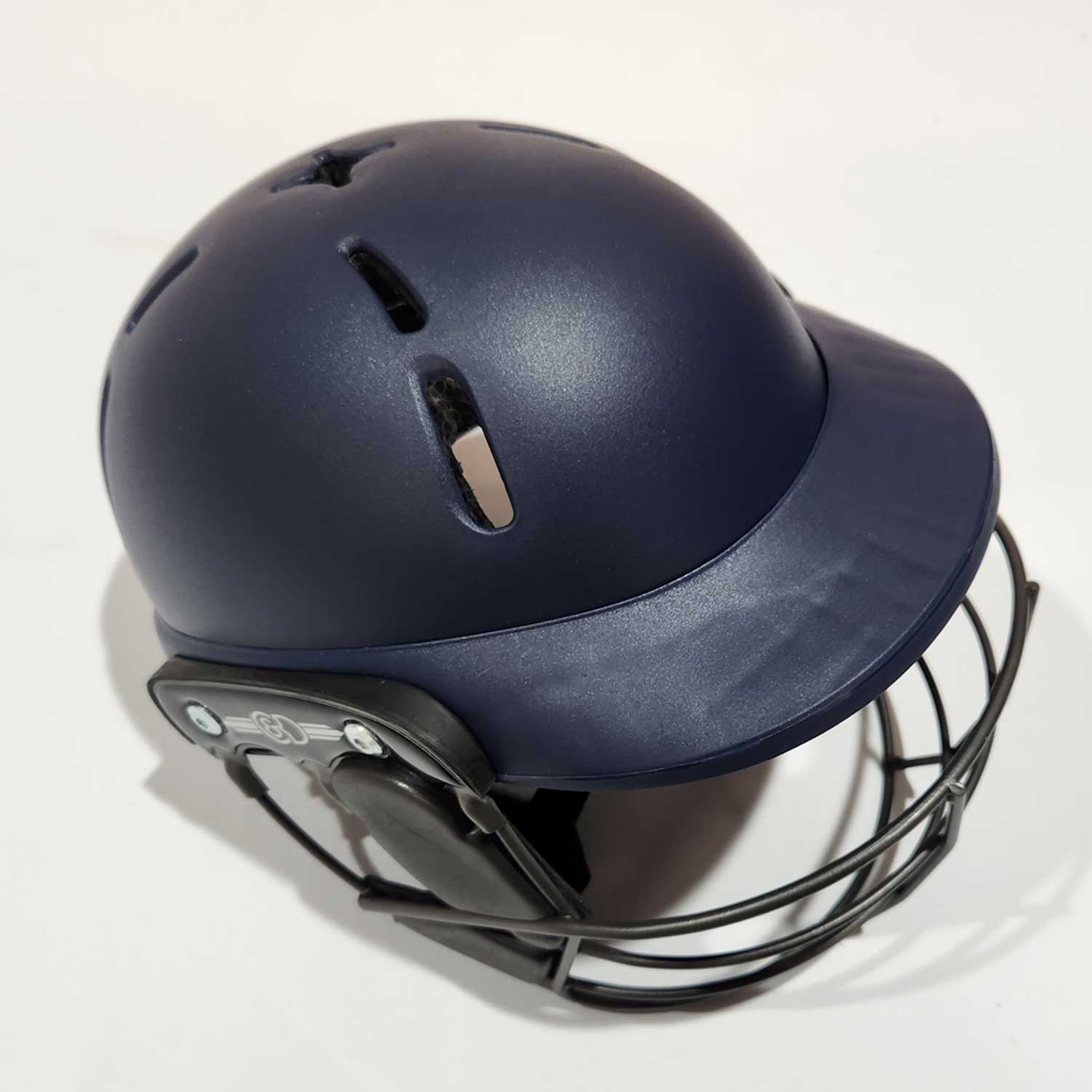
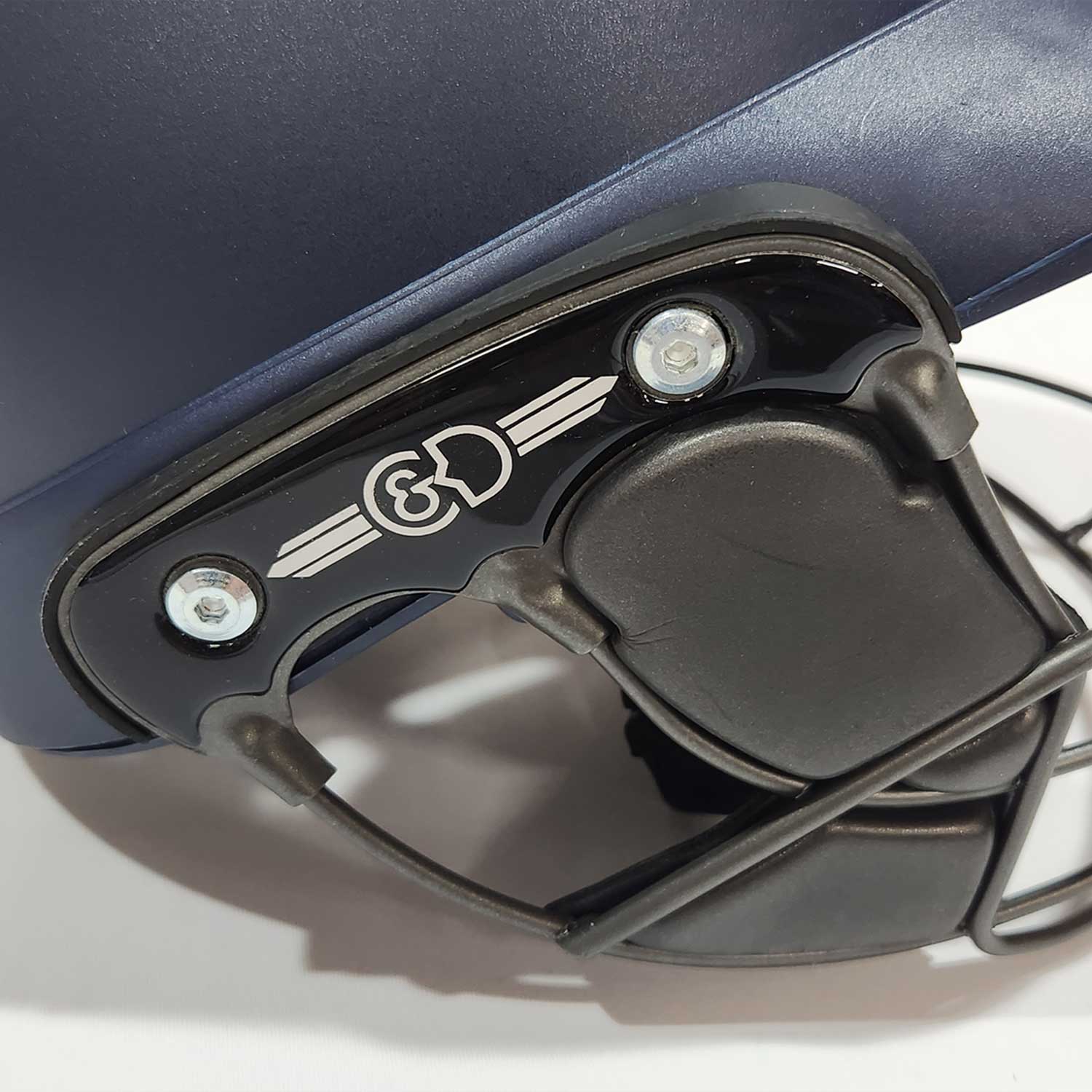
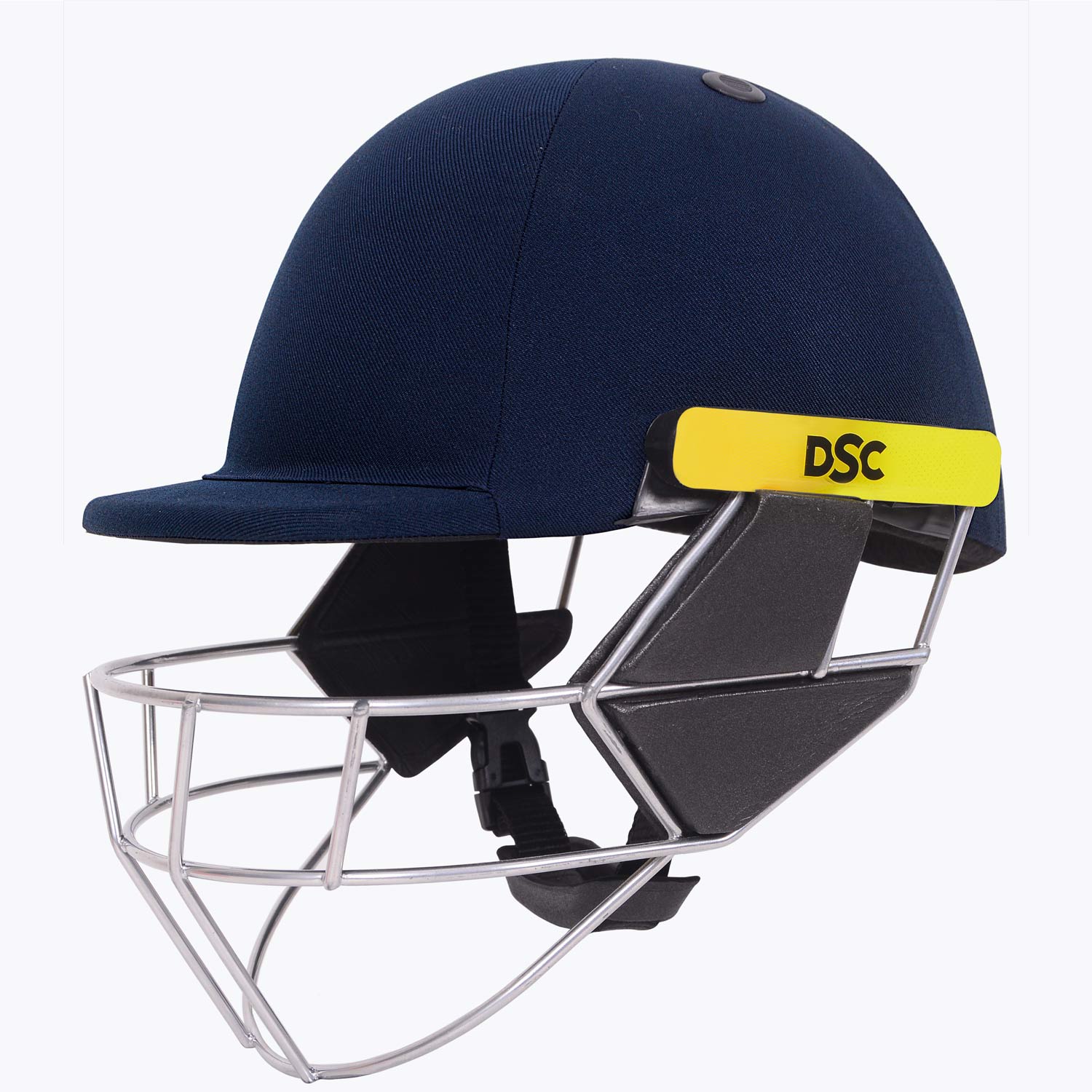
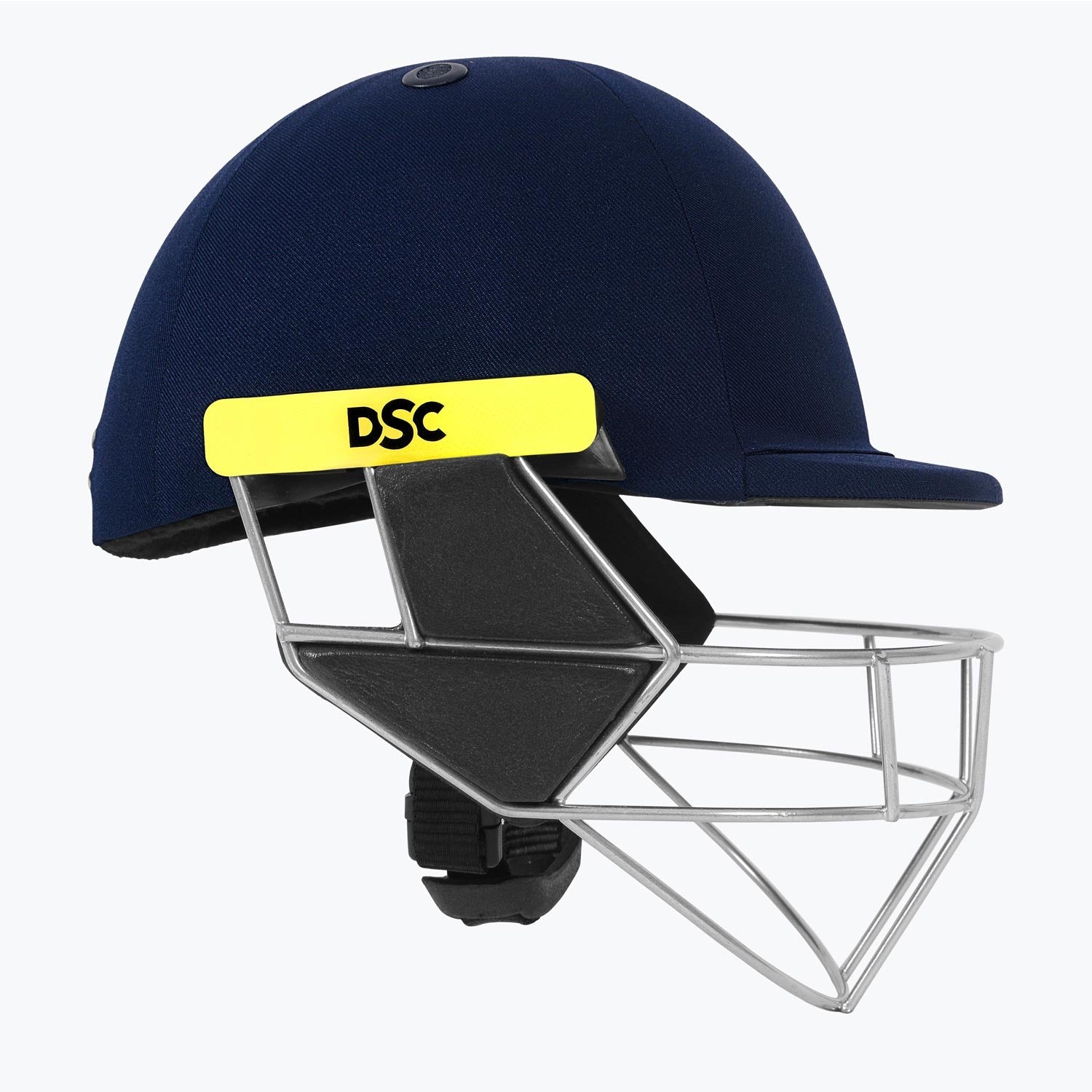
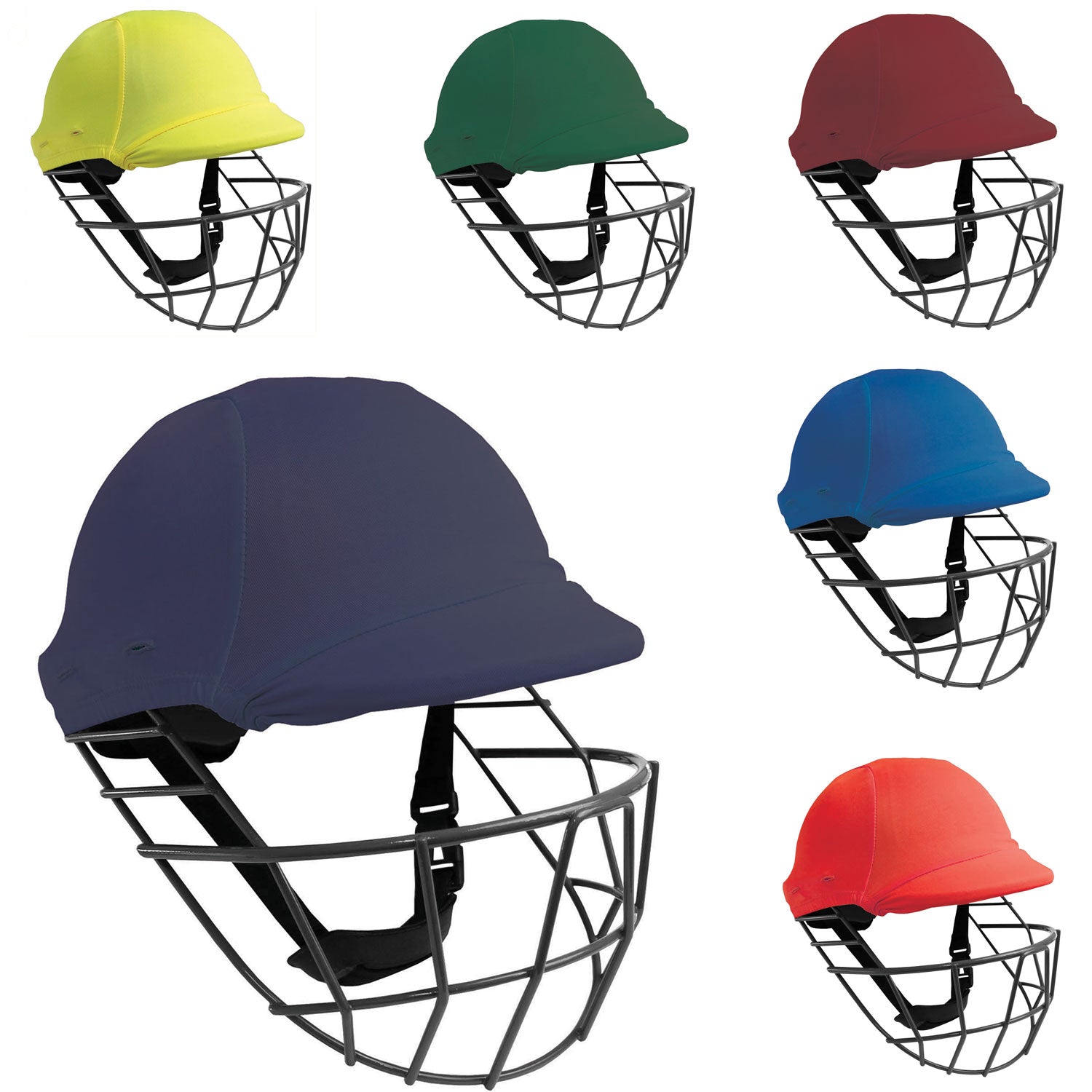
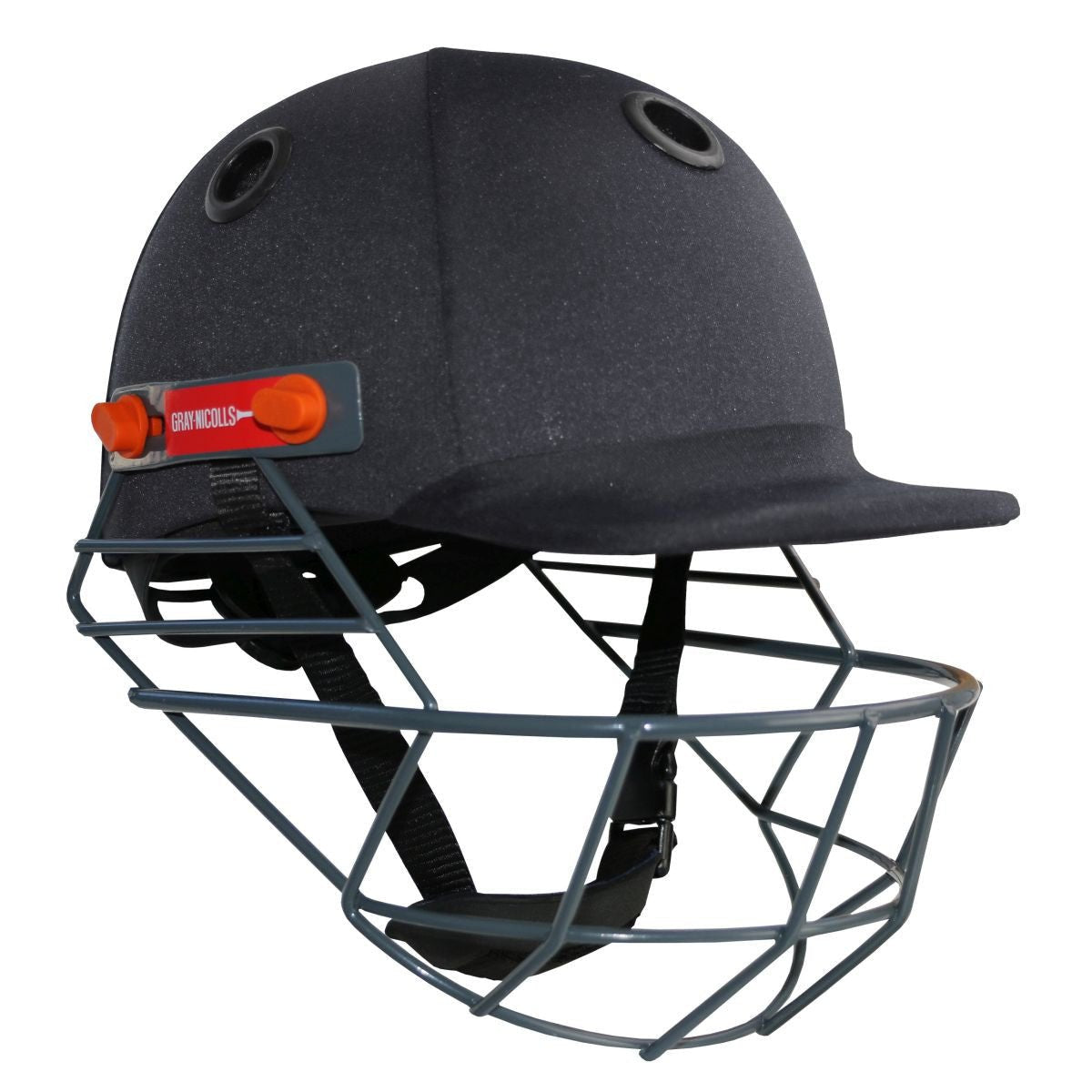
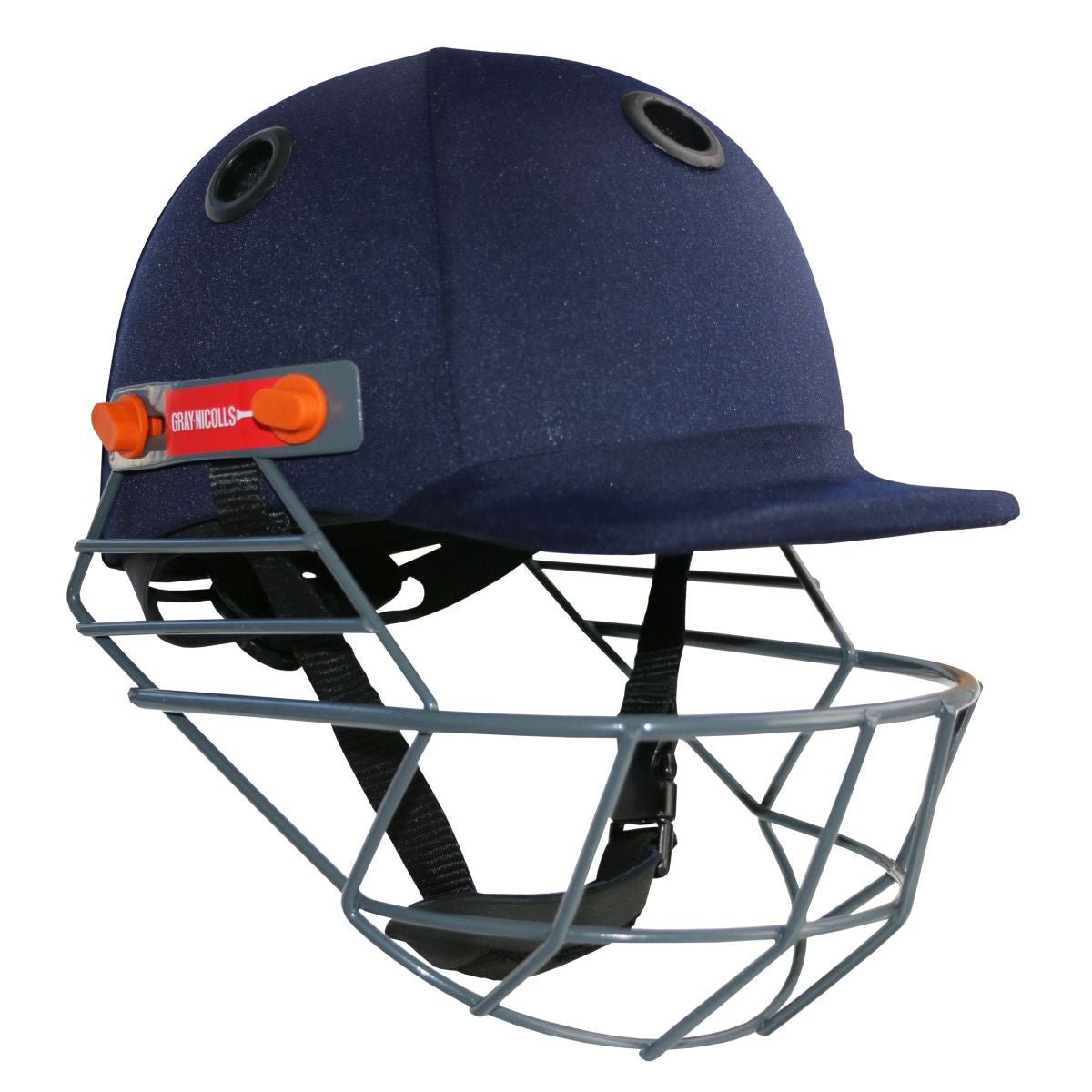
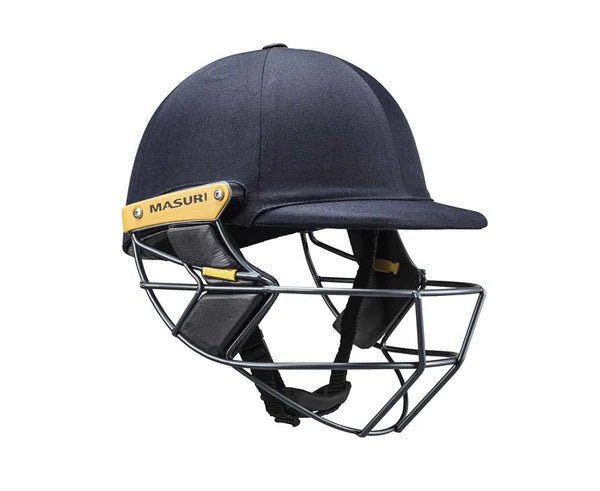
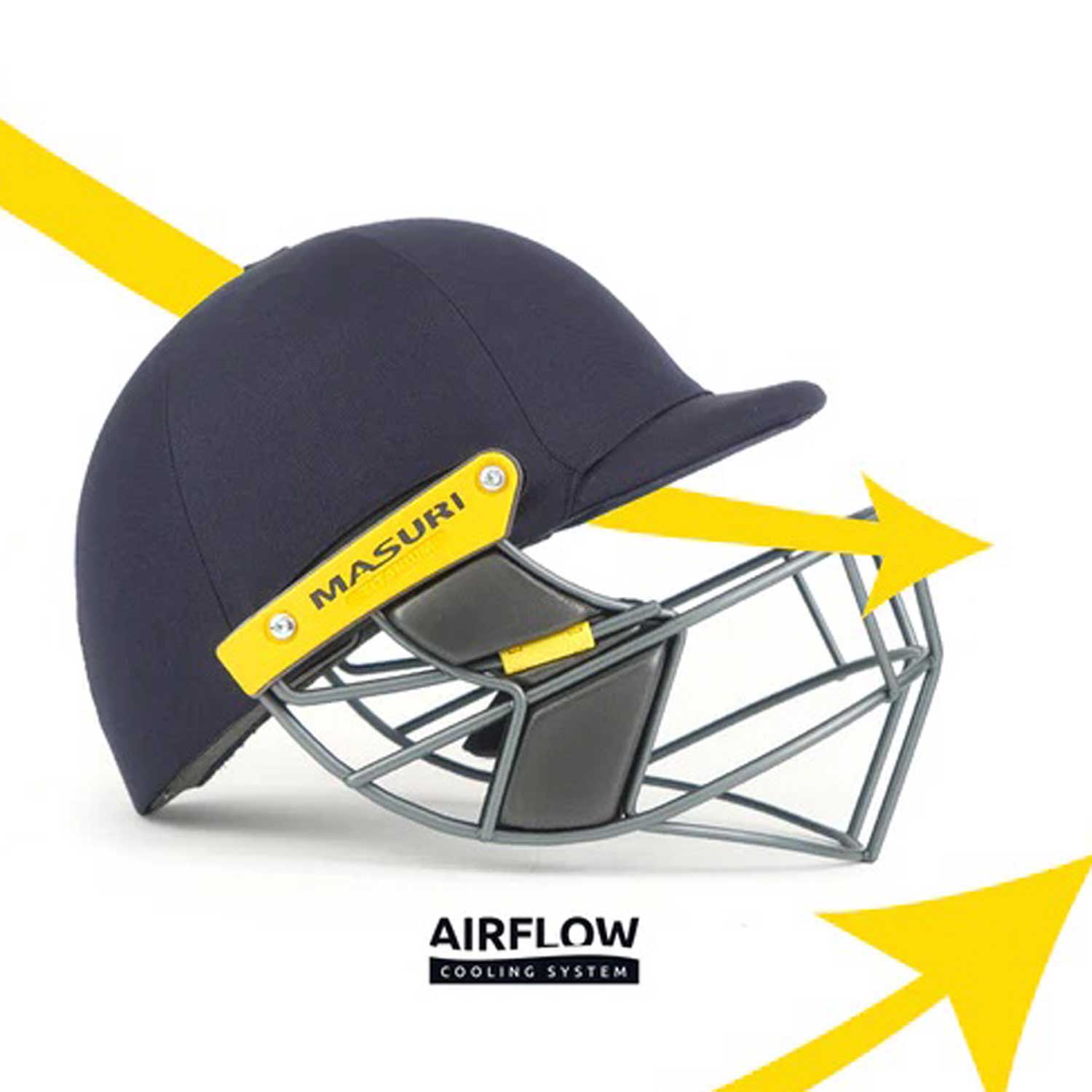
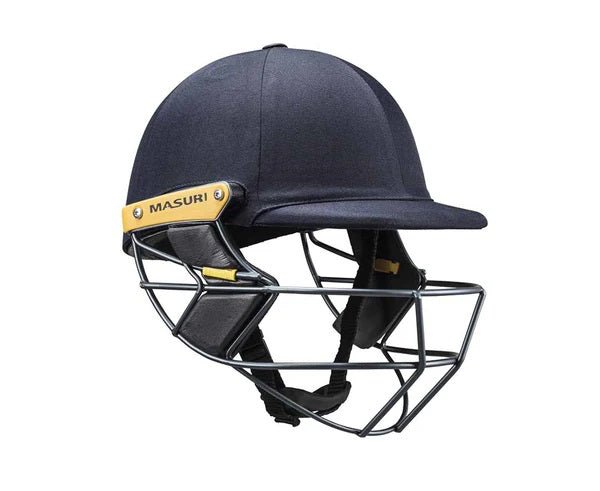
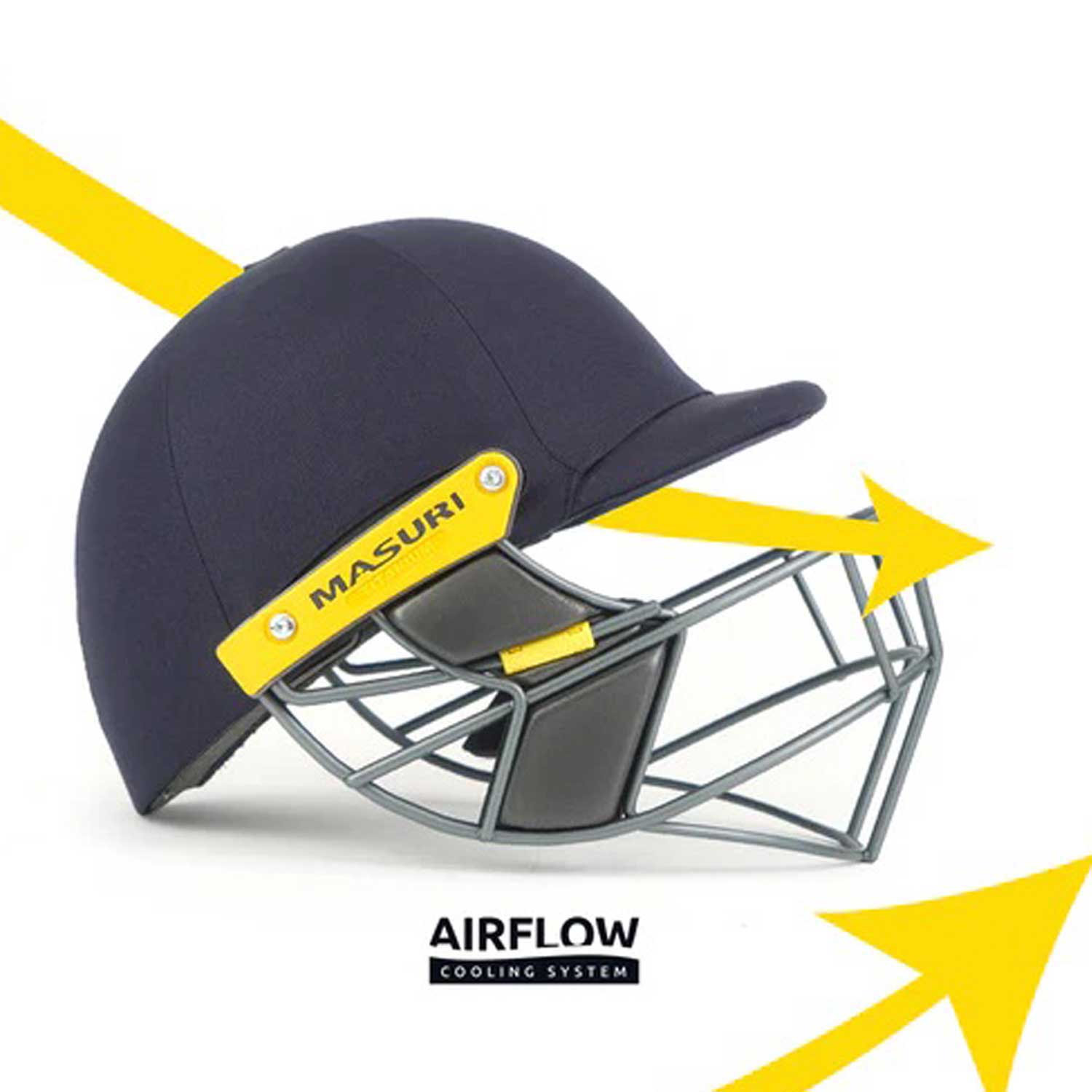
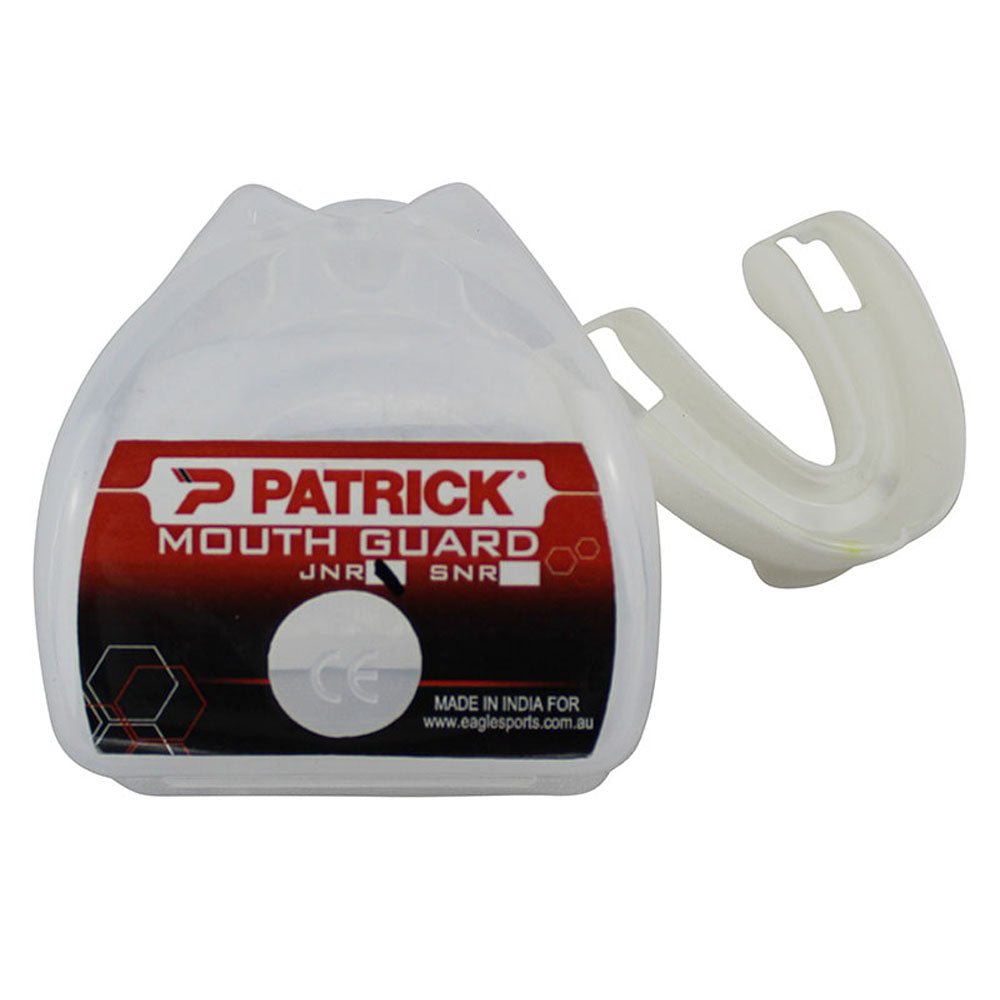
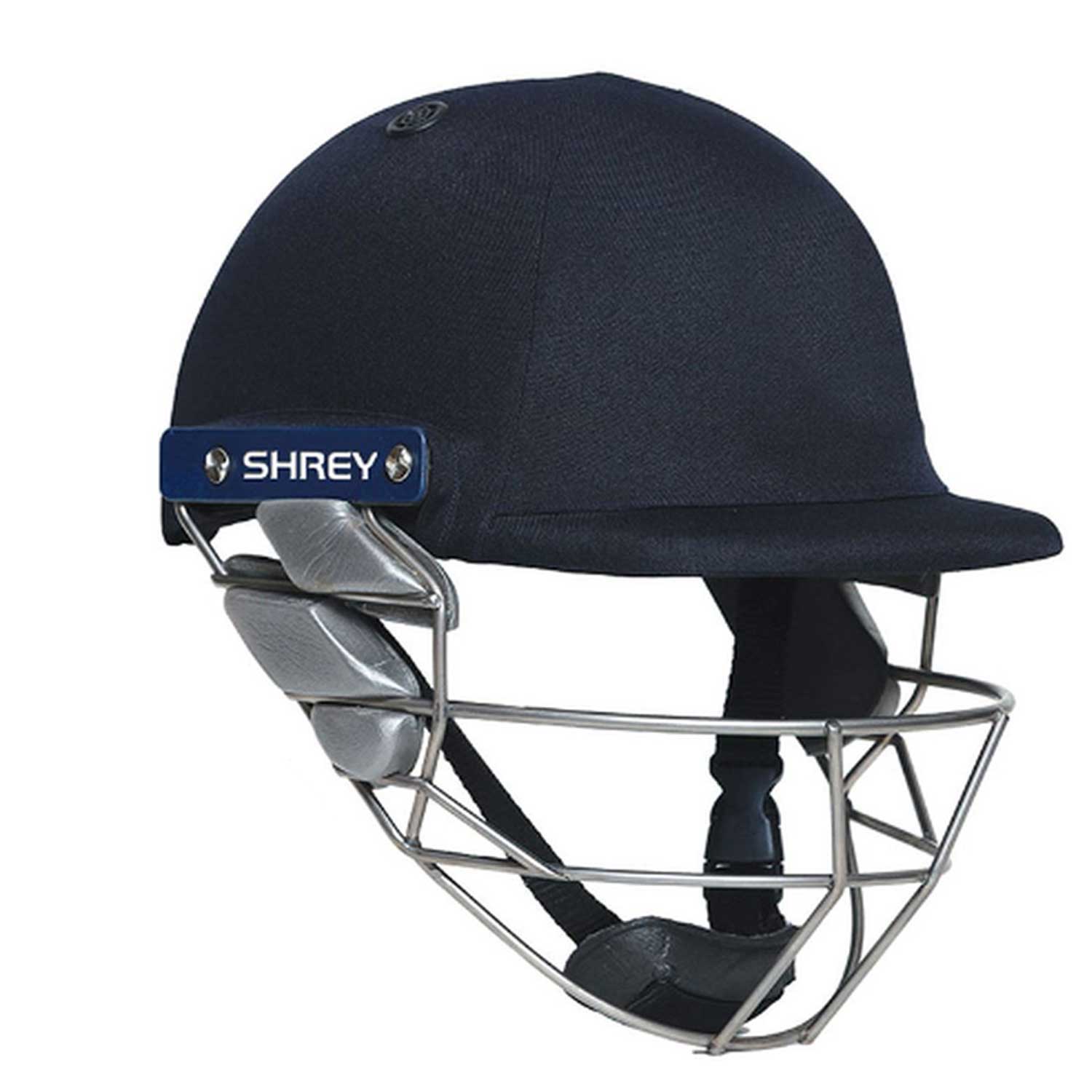
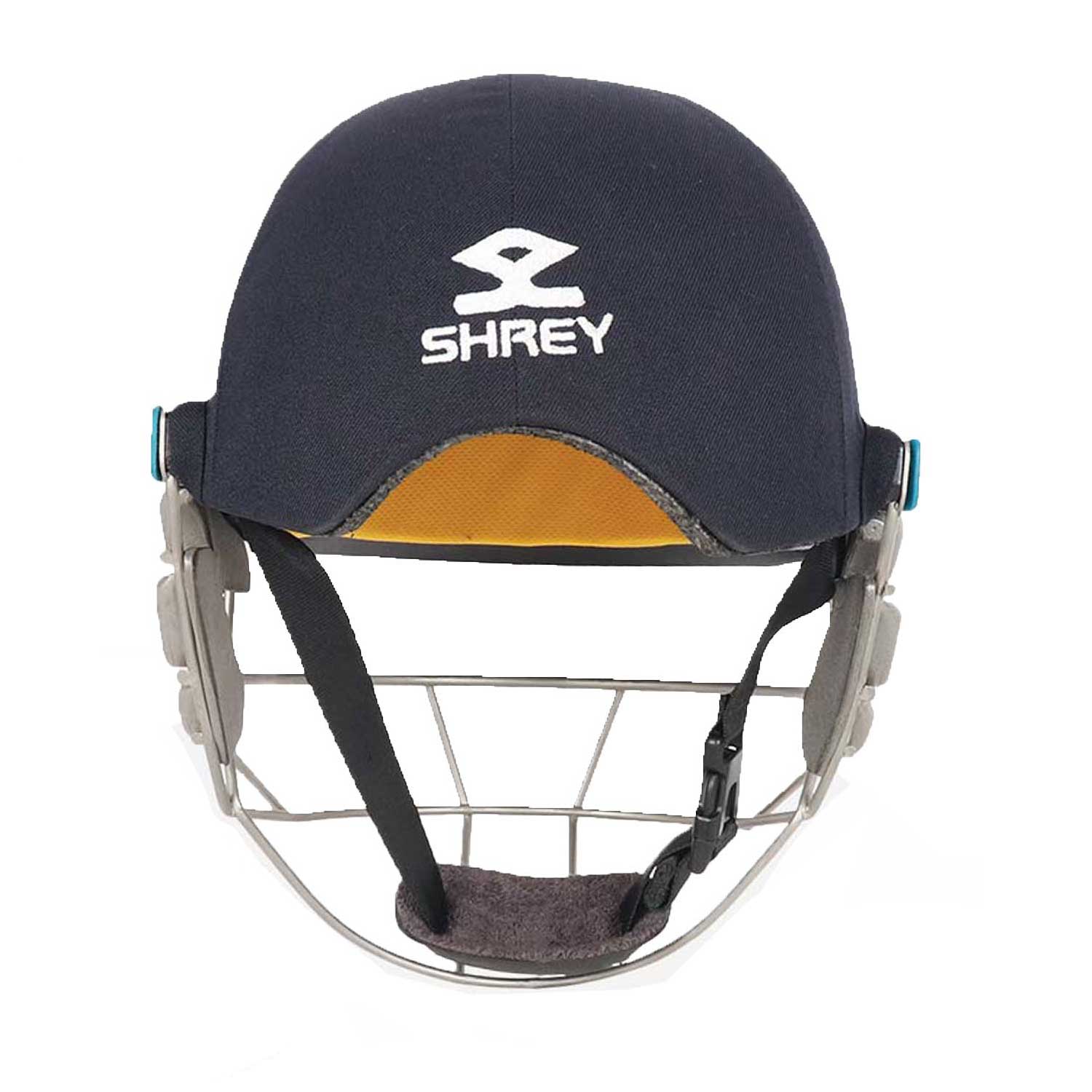
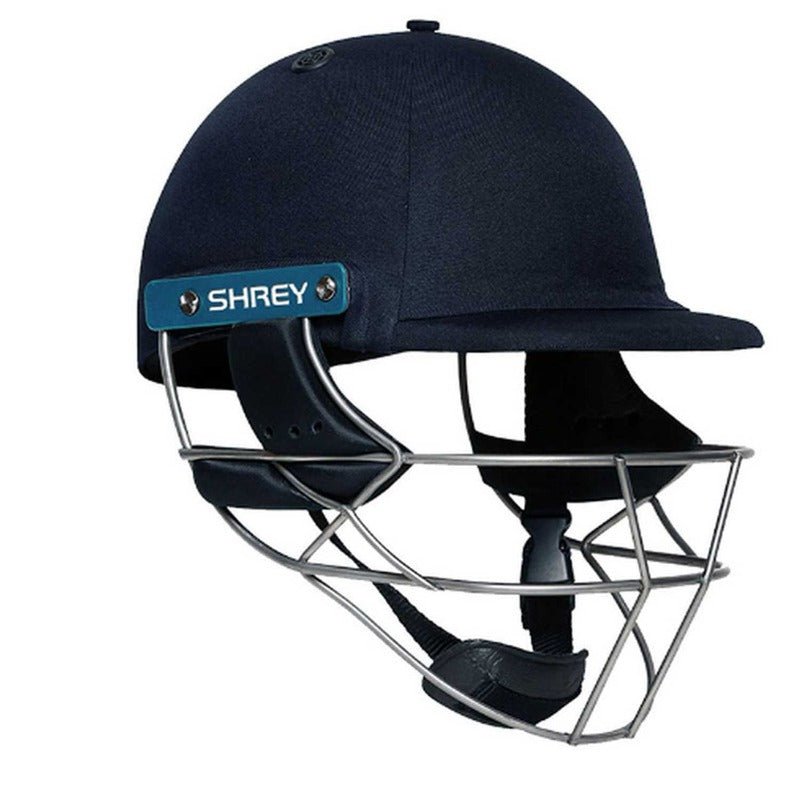
Looking for more details? Click the product information links below to explore cricket size guides, bat weights, equipment care tips, and detailed gear specifications — everything you need to choose the right cricket gear with confidence.


