
Cricket shoes are designed for grip, stability and comfort across different playing surfaces. The right choice depends on whether you play on turf, synthetic pitches or a mix of both.
Choosing the right cricket shoes starts with understanding two key factors: the playing surface and your role in the team. Getting this right has a direct impact on grip, comfort and overall performance on the field.
The Surface
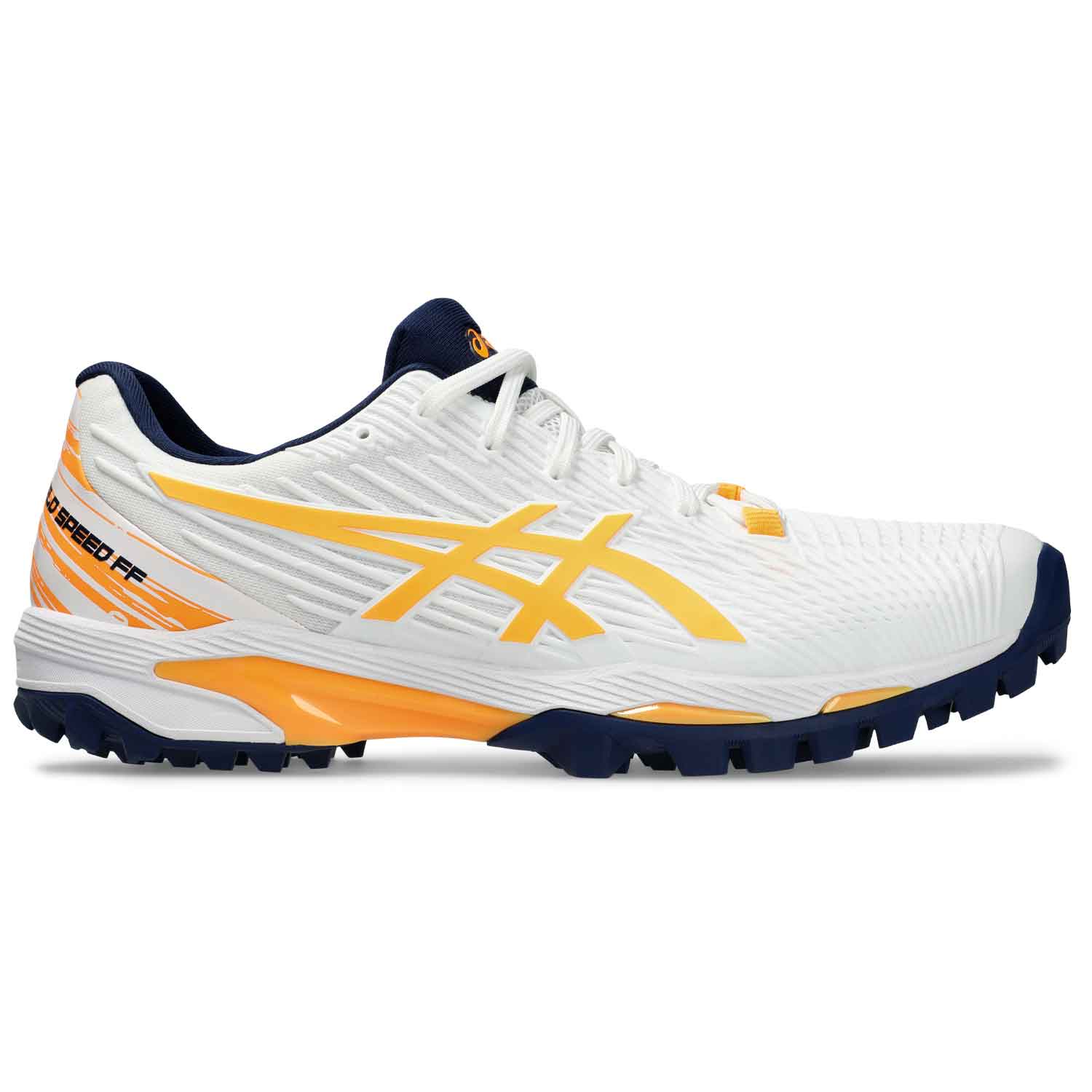
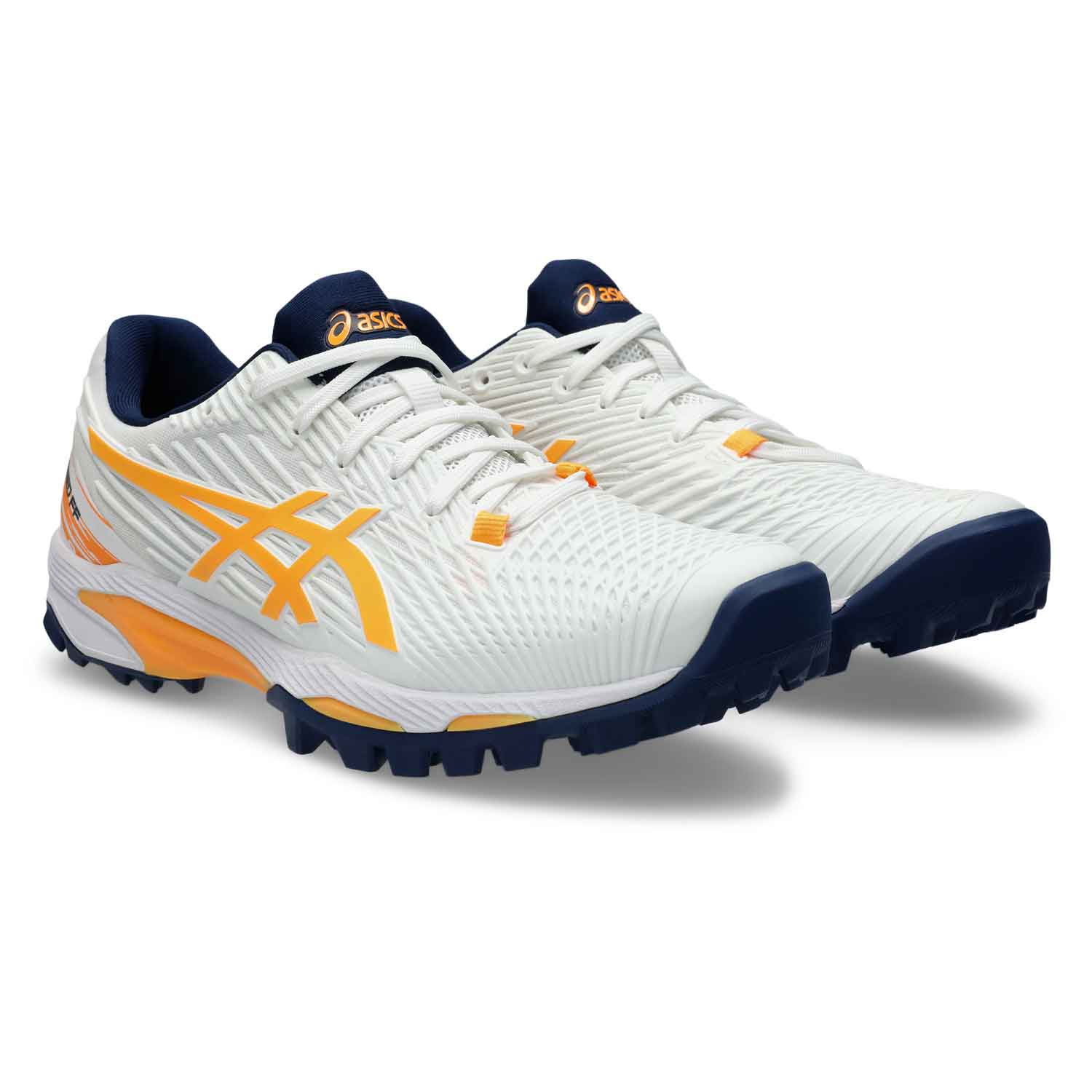
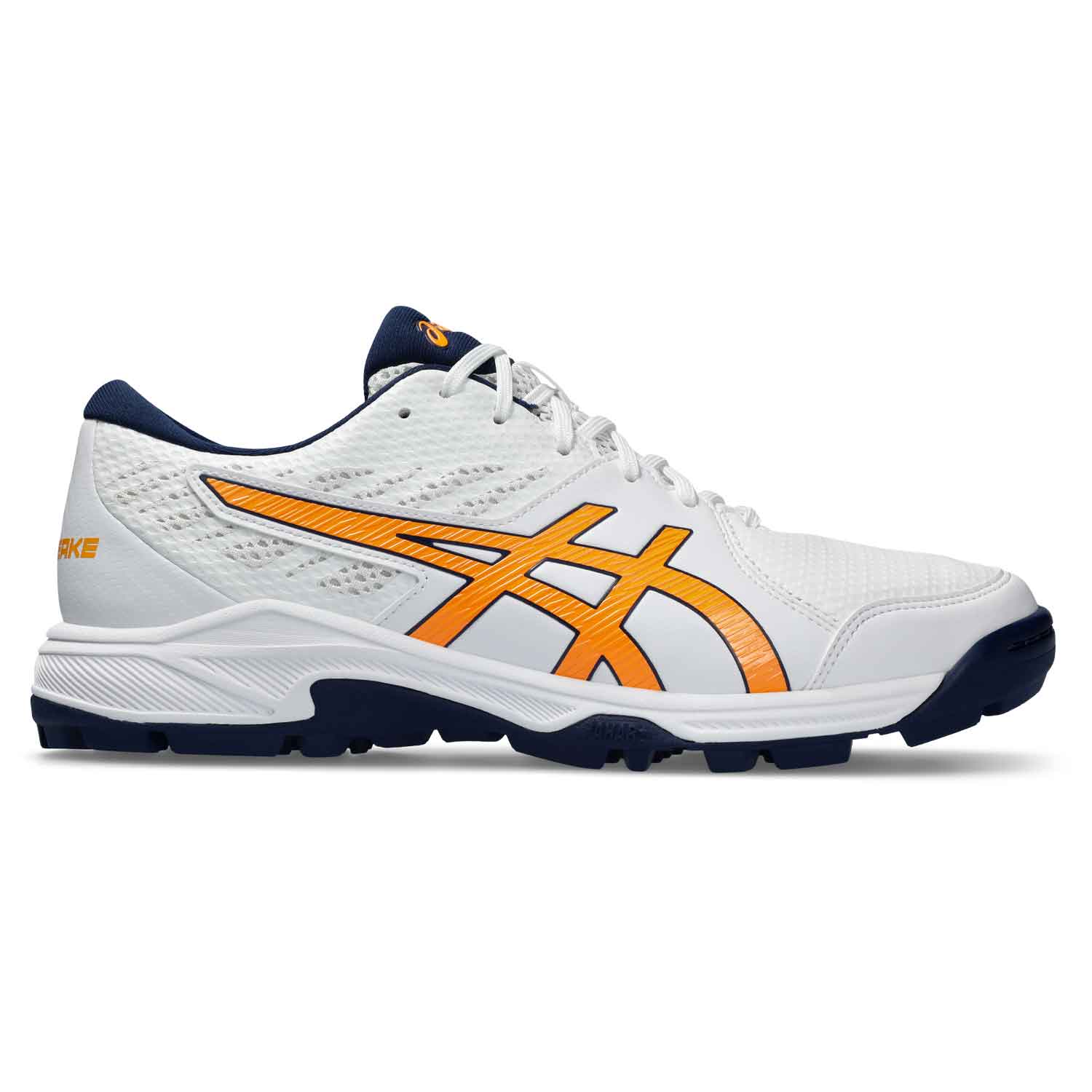
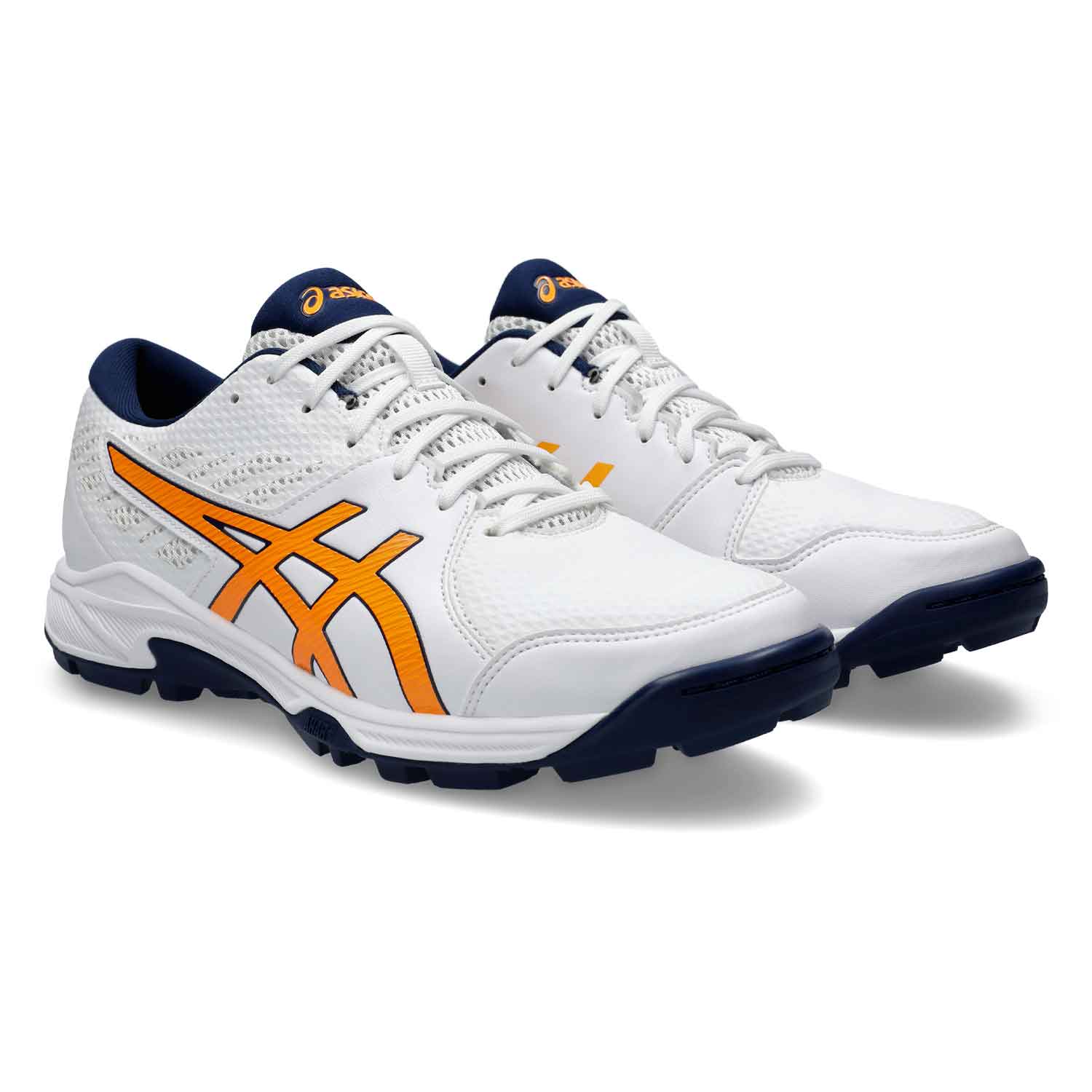
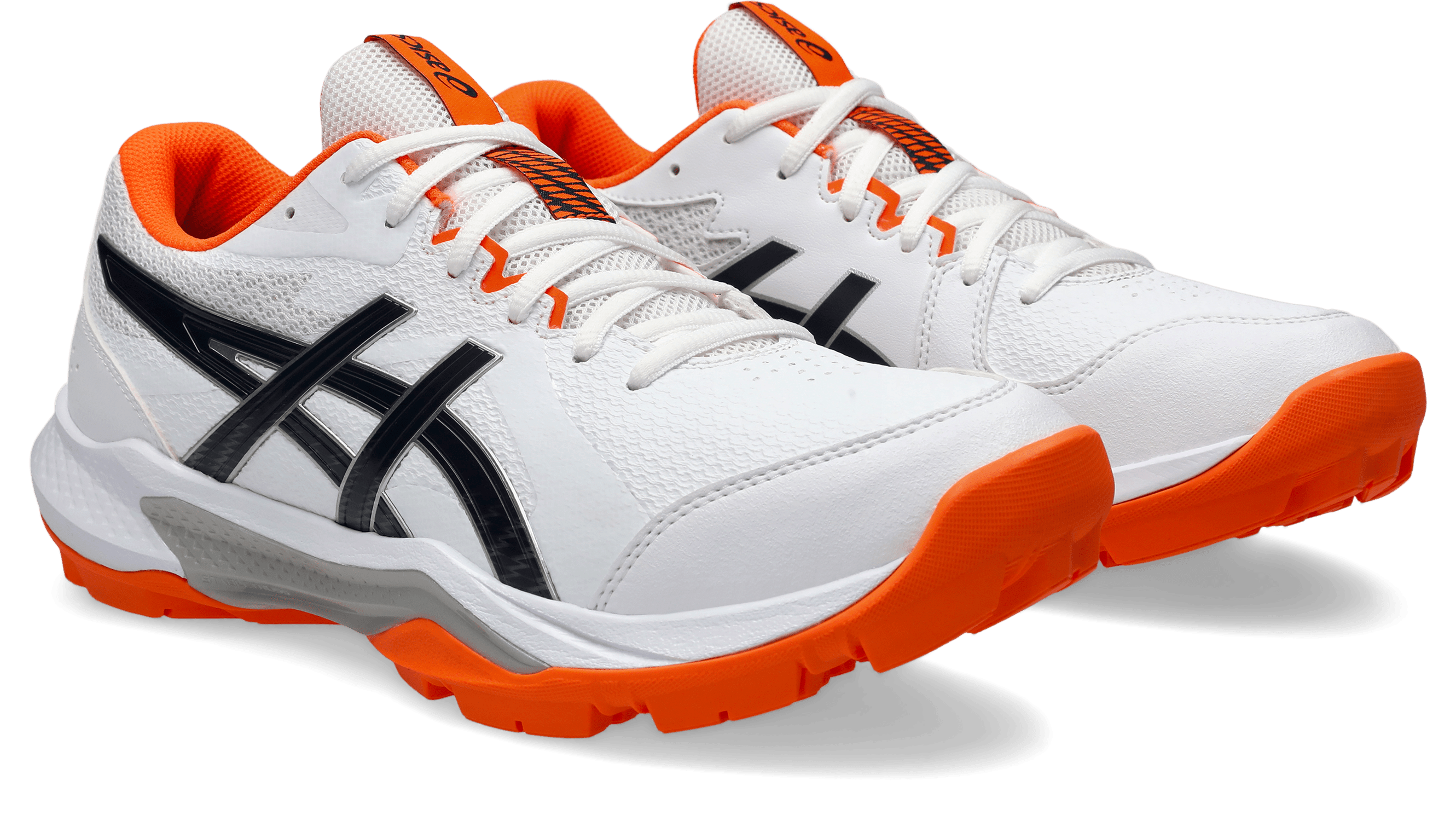
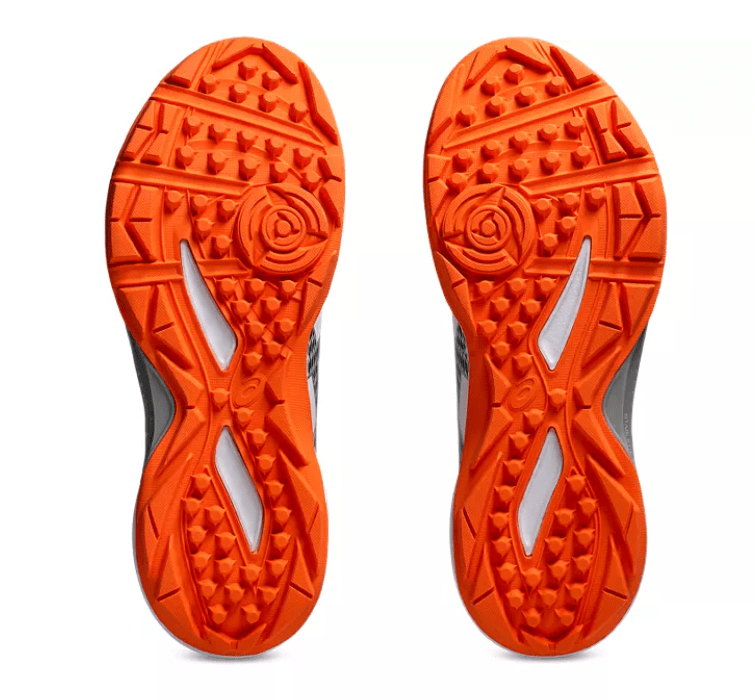
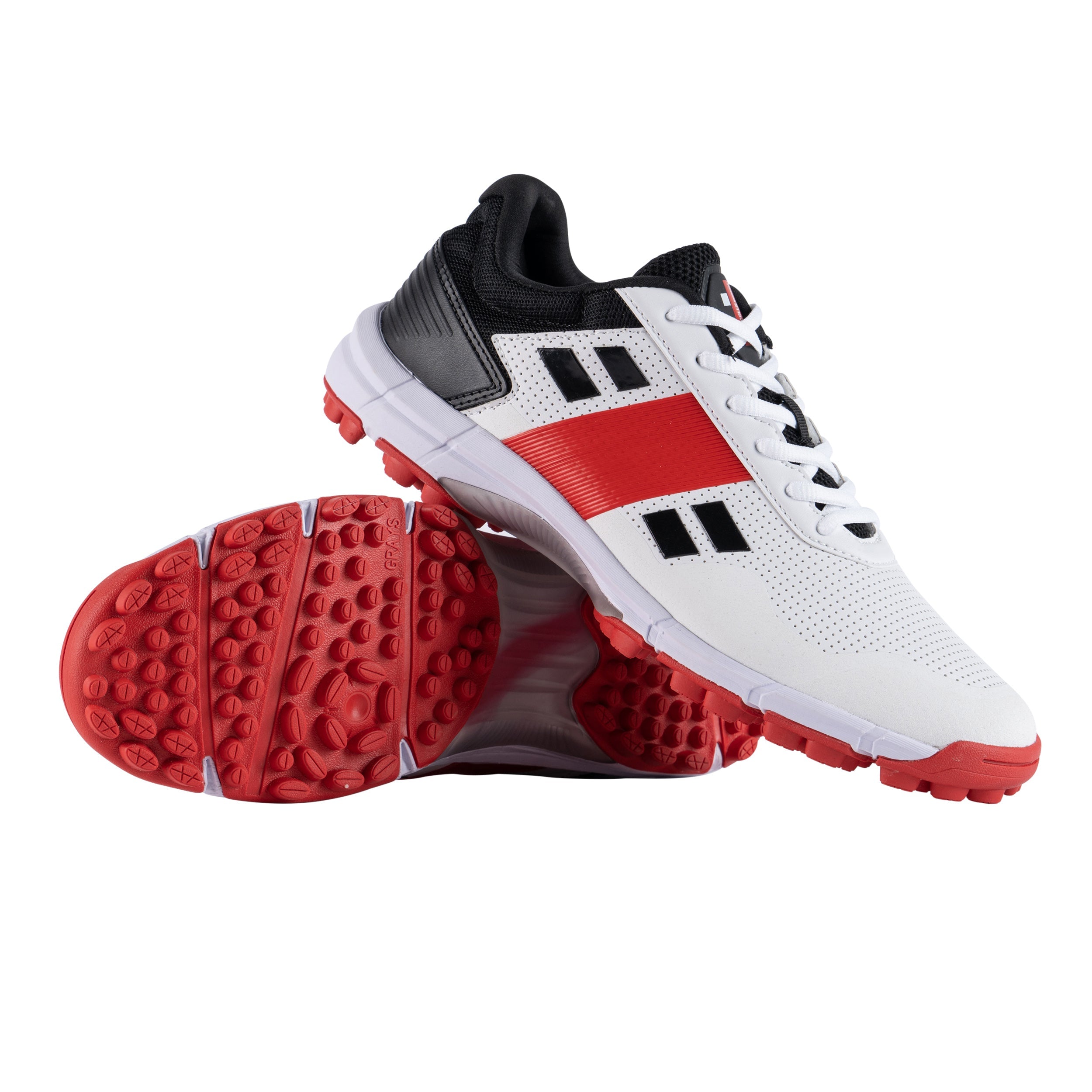
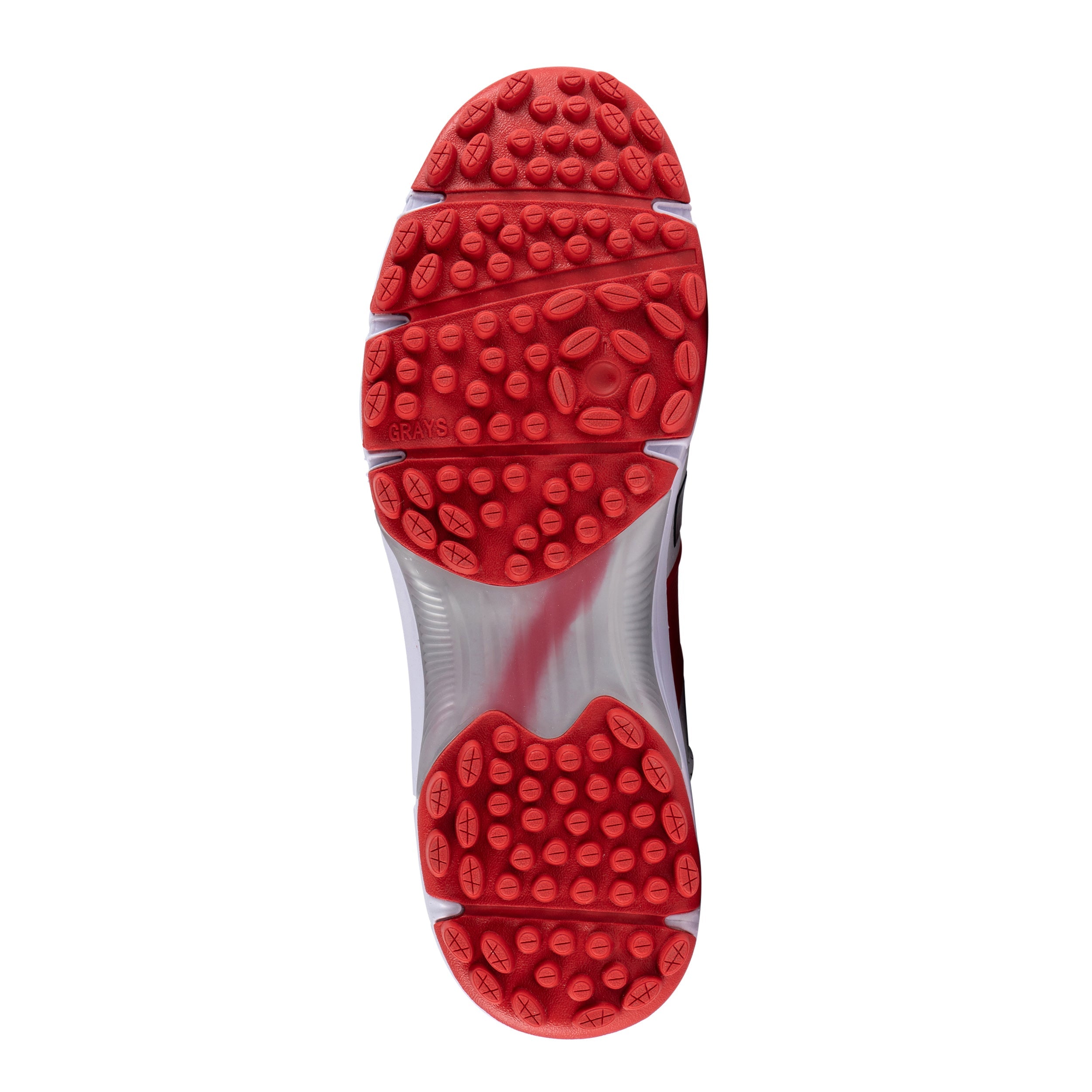
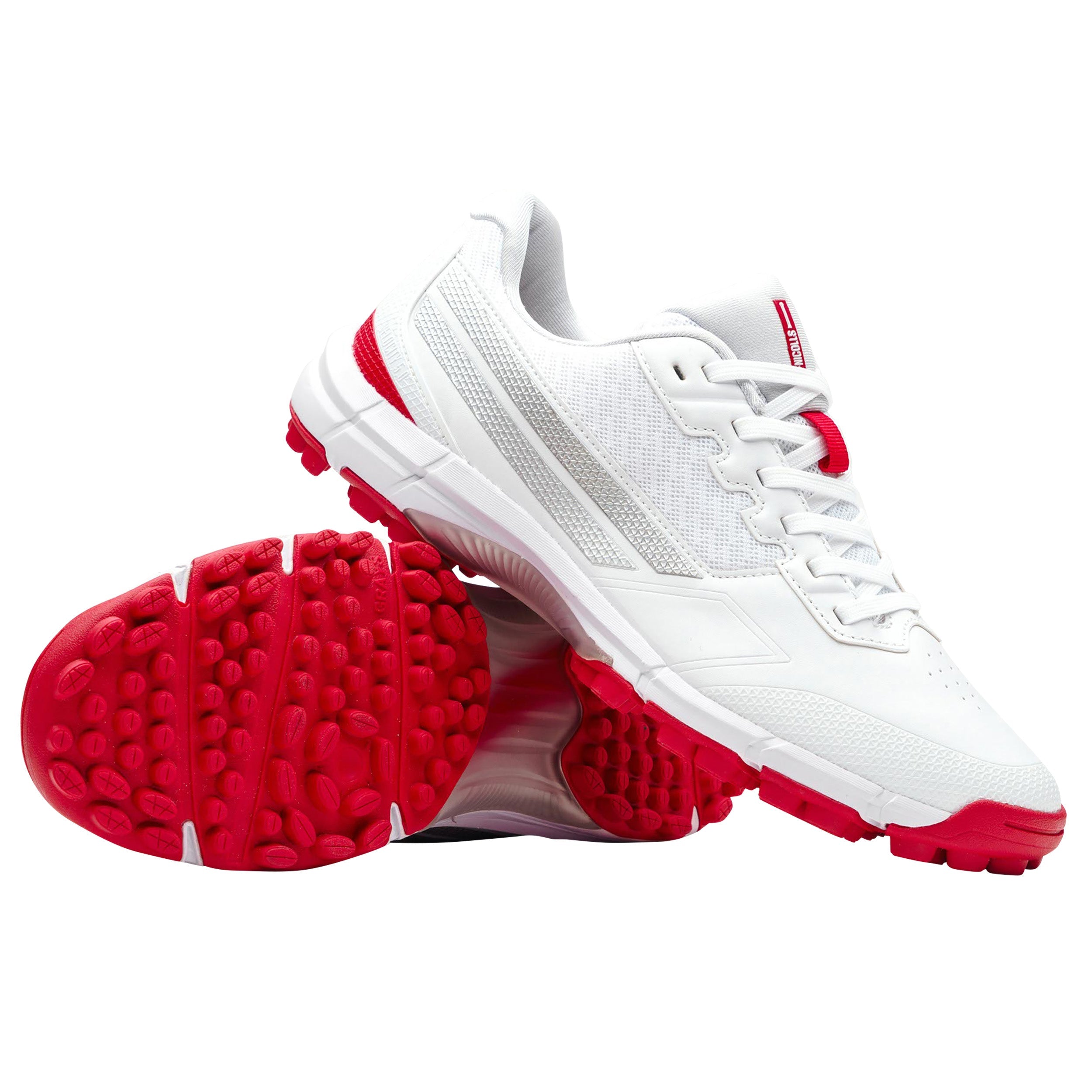
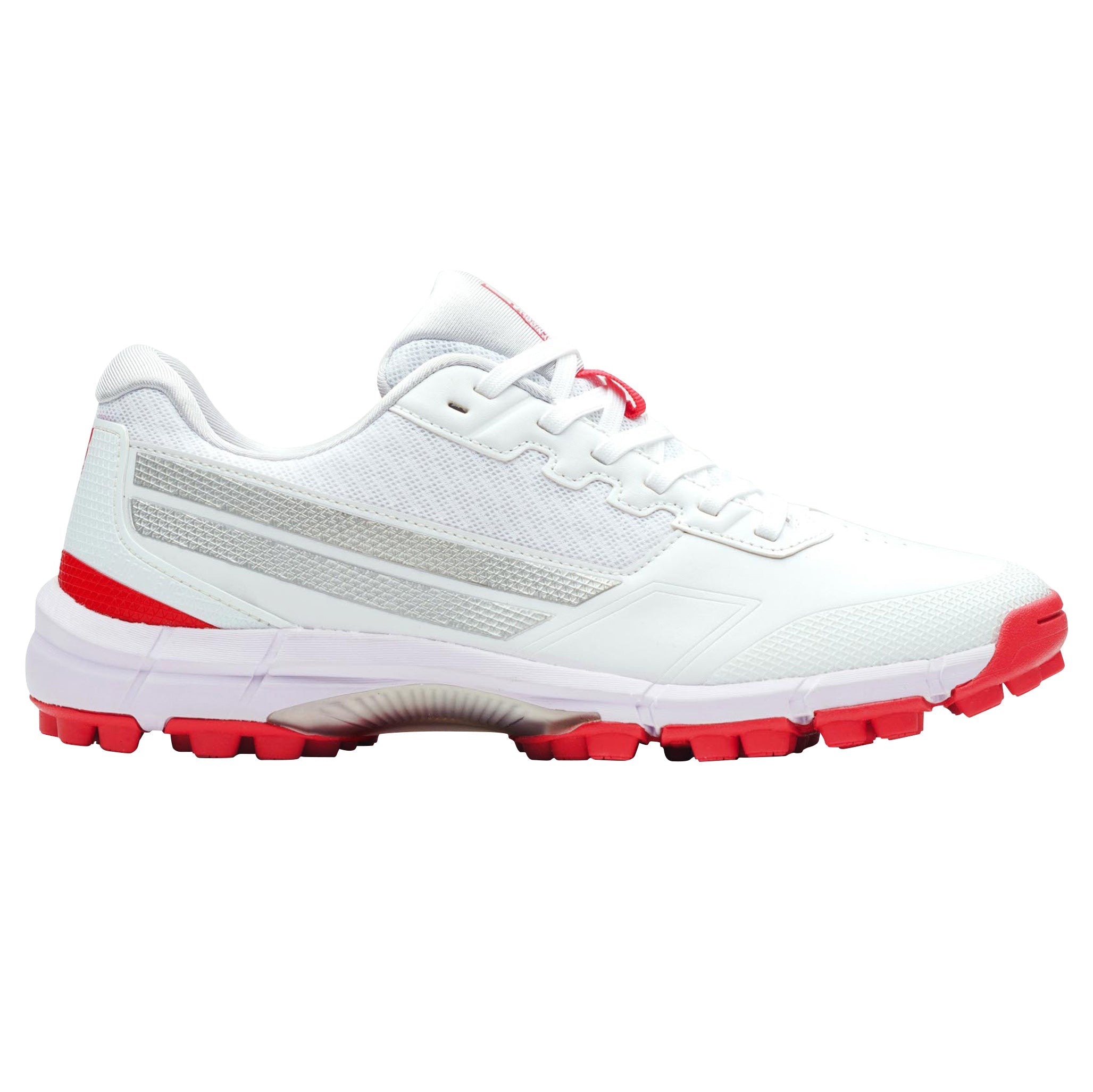
The first thing to identify is the surface you’ll be playing on. Hard wicket cricket, which is typically artificial turf over concrete, is very common at junior and club level. These surfaces are firm and consistent but can become slippery without the right footwear. For these conditions, rubber sole cricket shoes are the only option, providing reliable grip and comfort on synthetic surfaces.
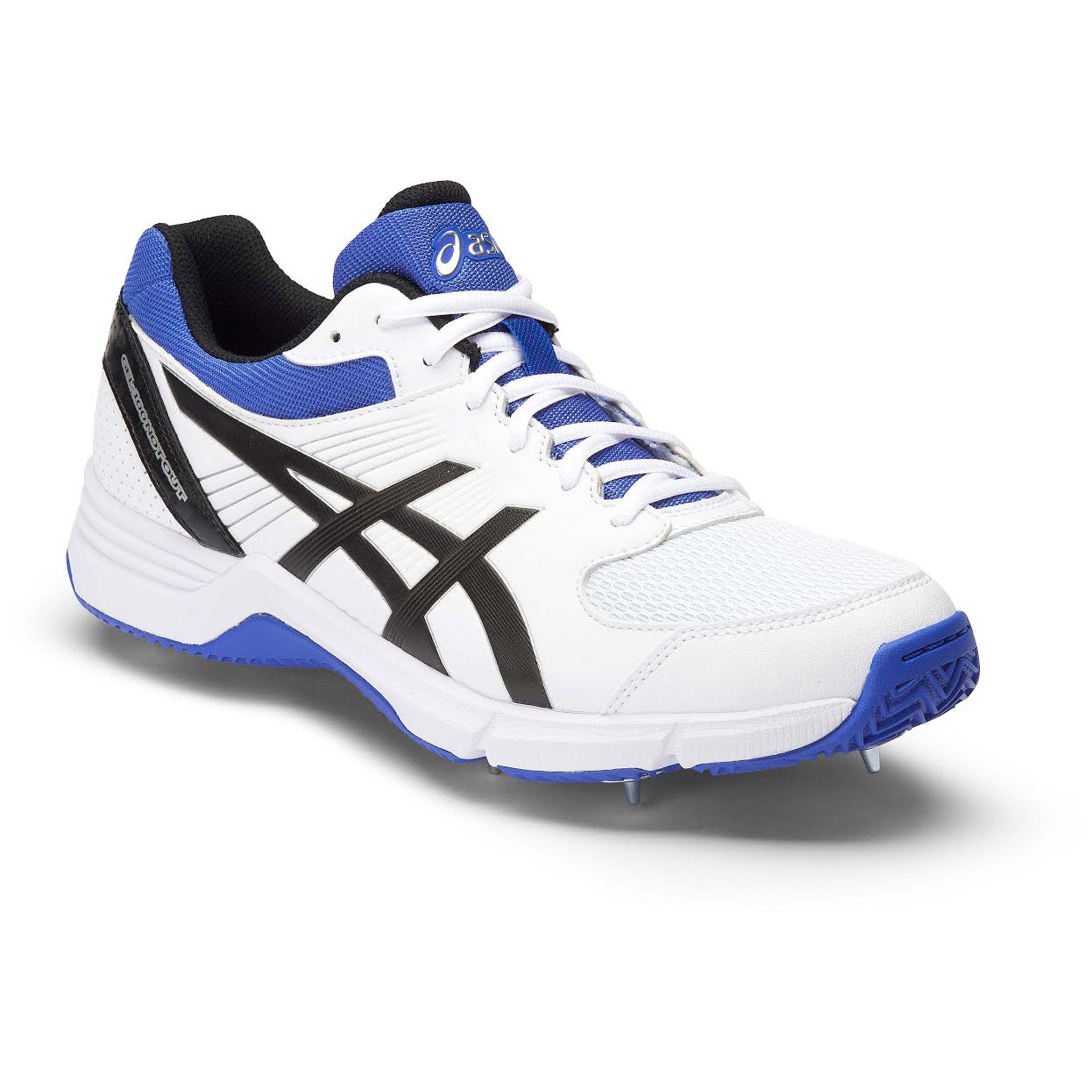
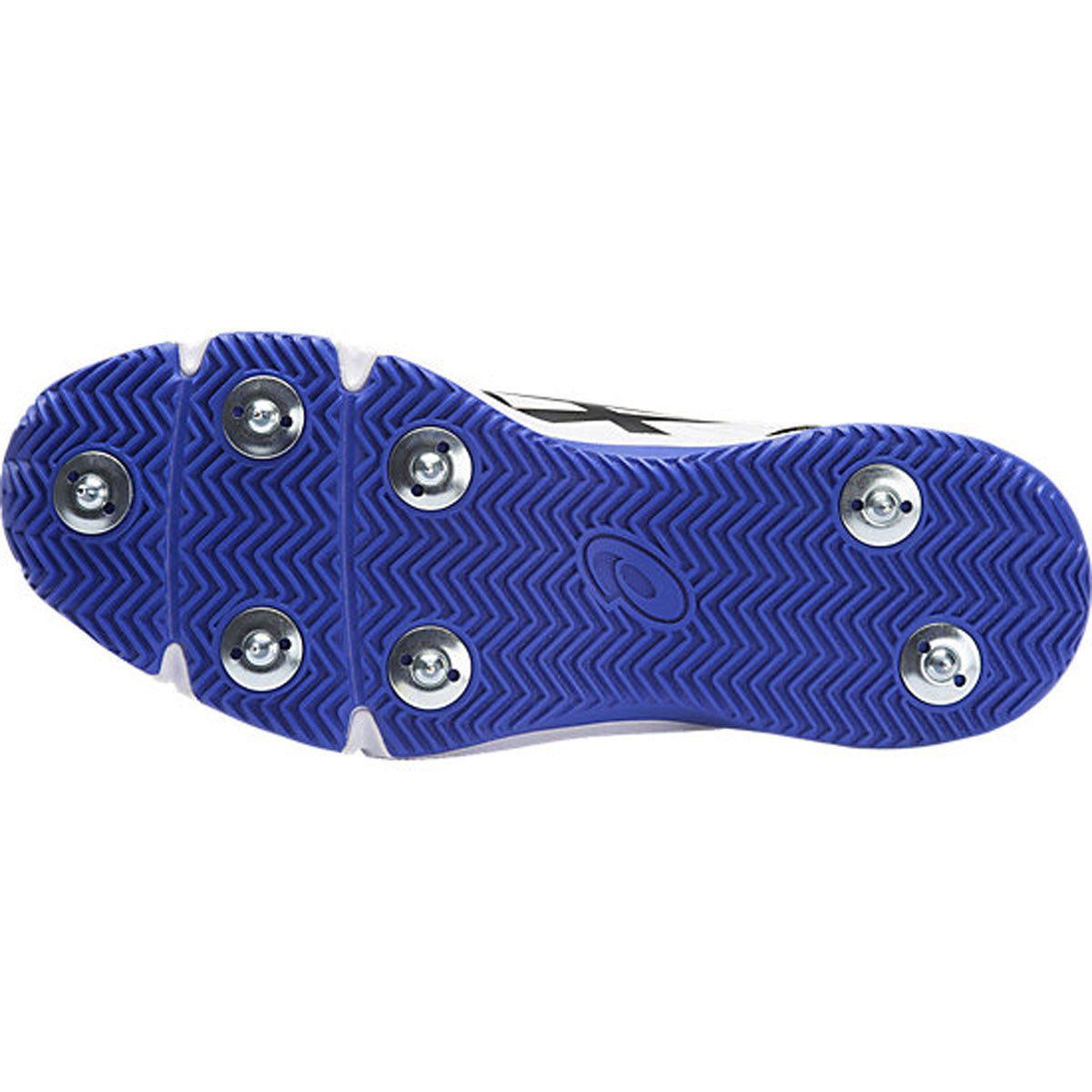
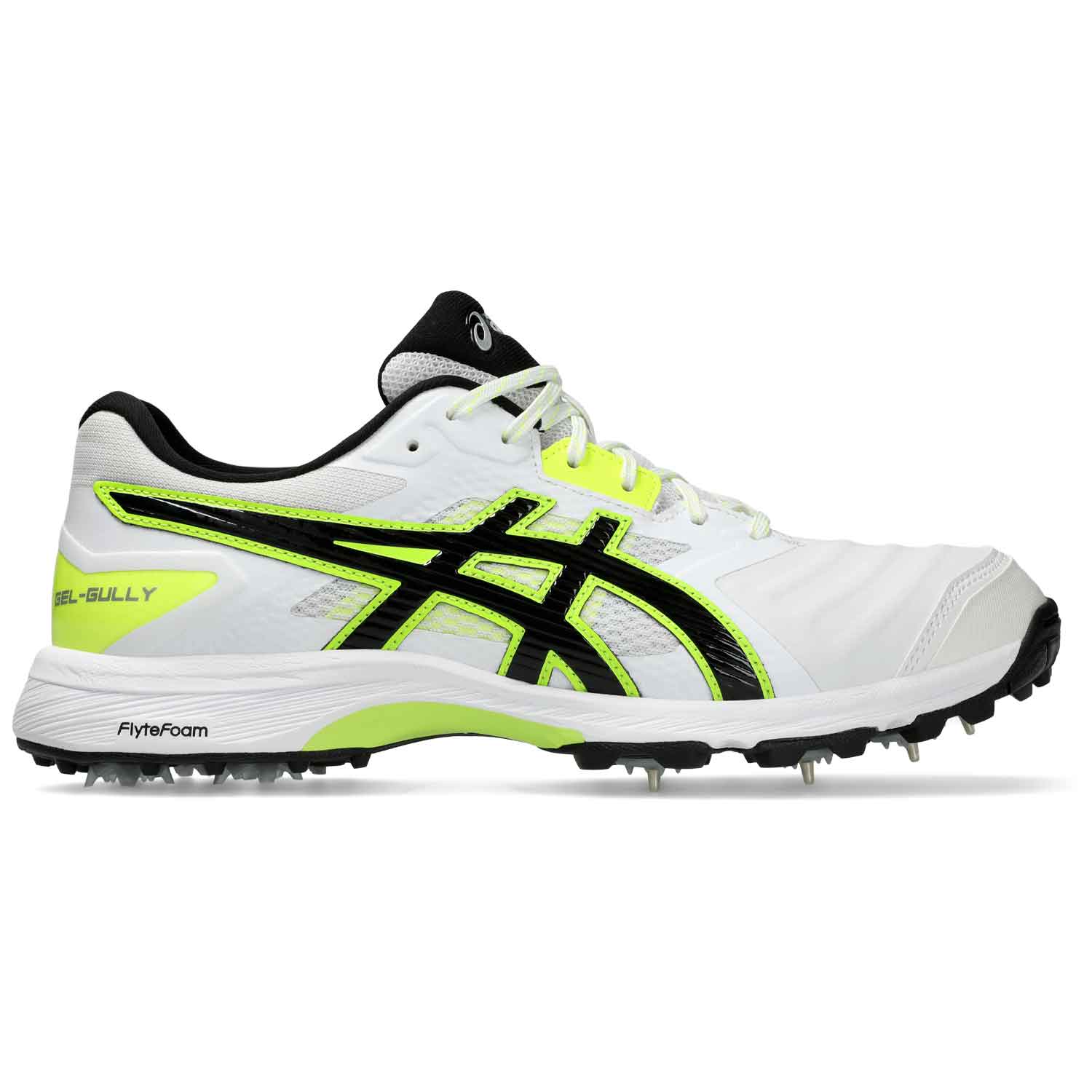
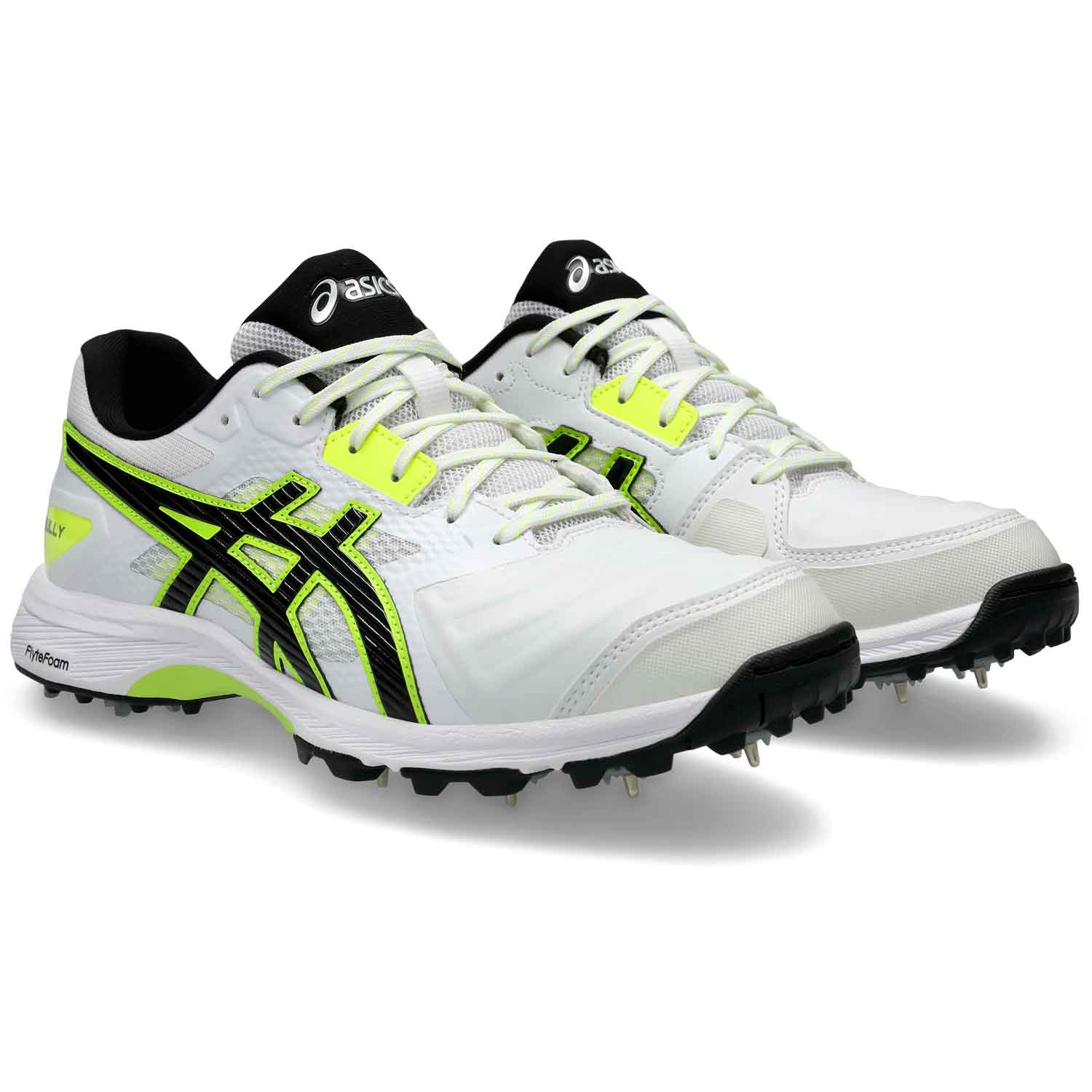
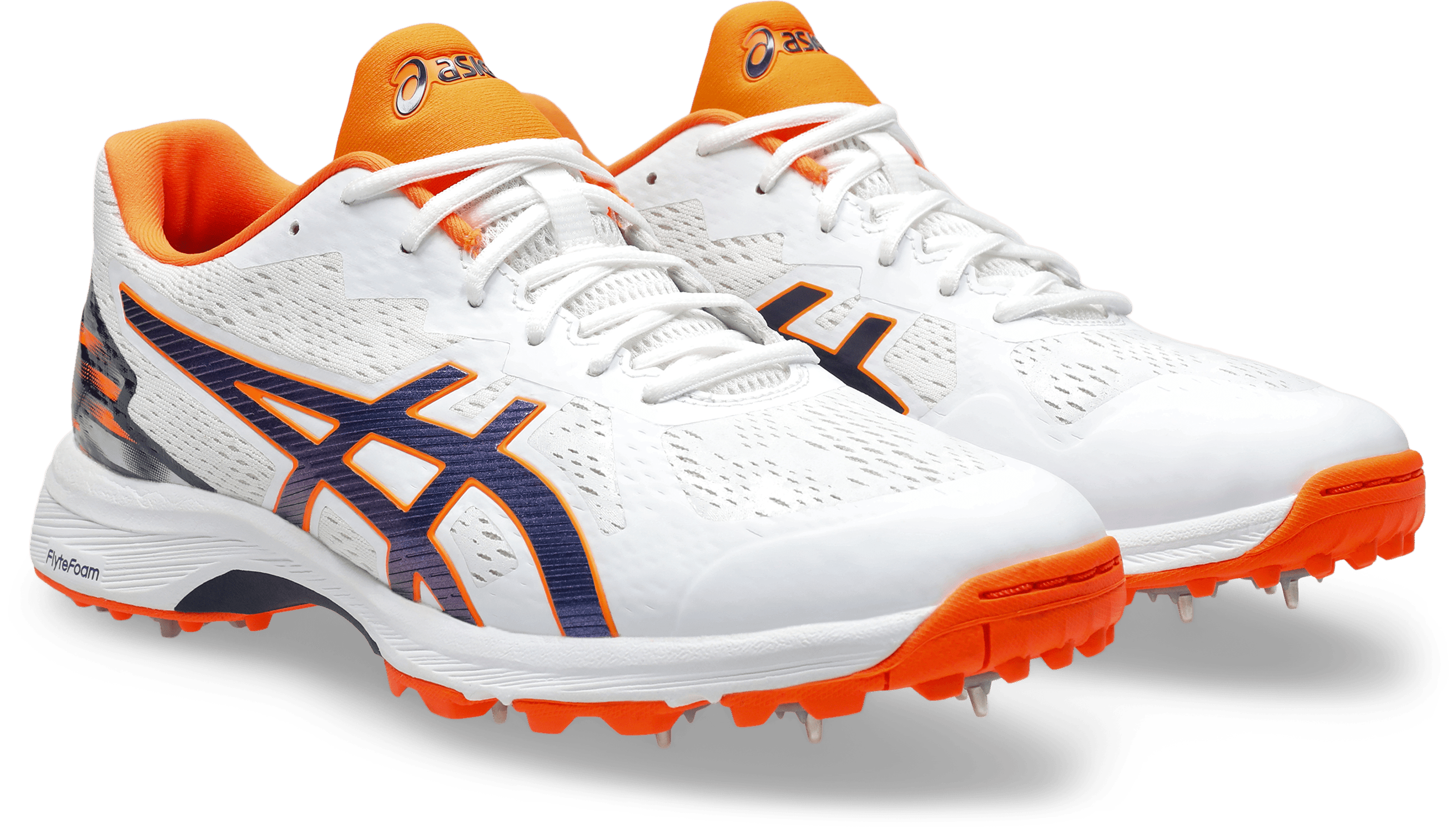
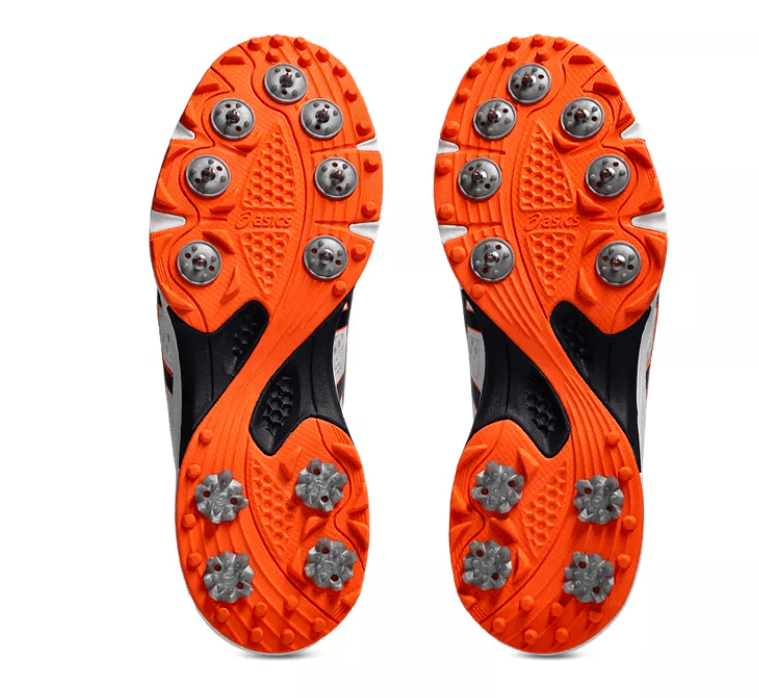
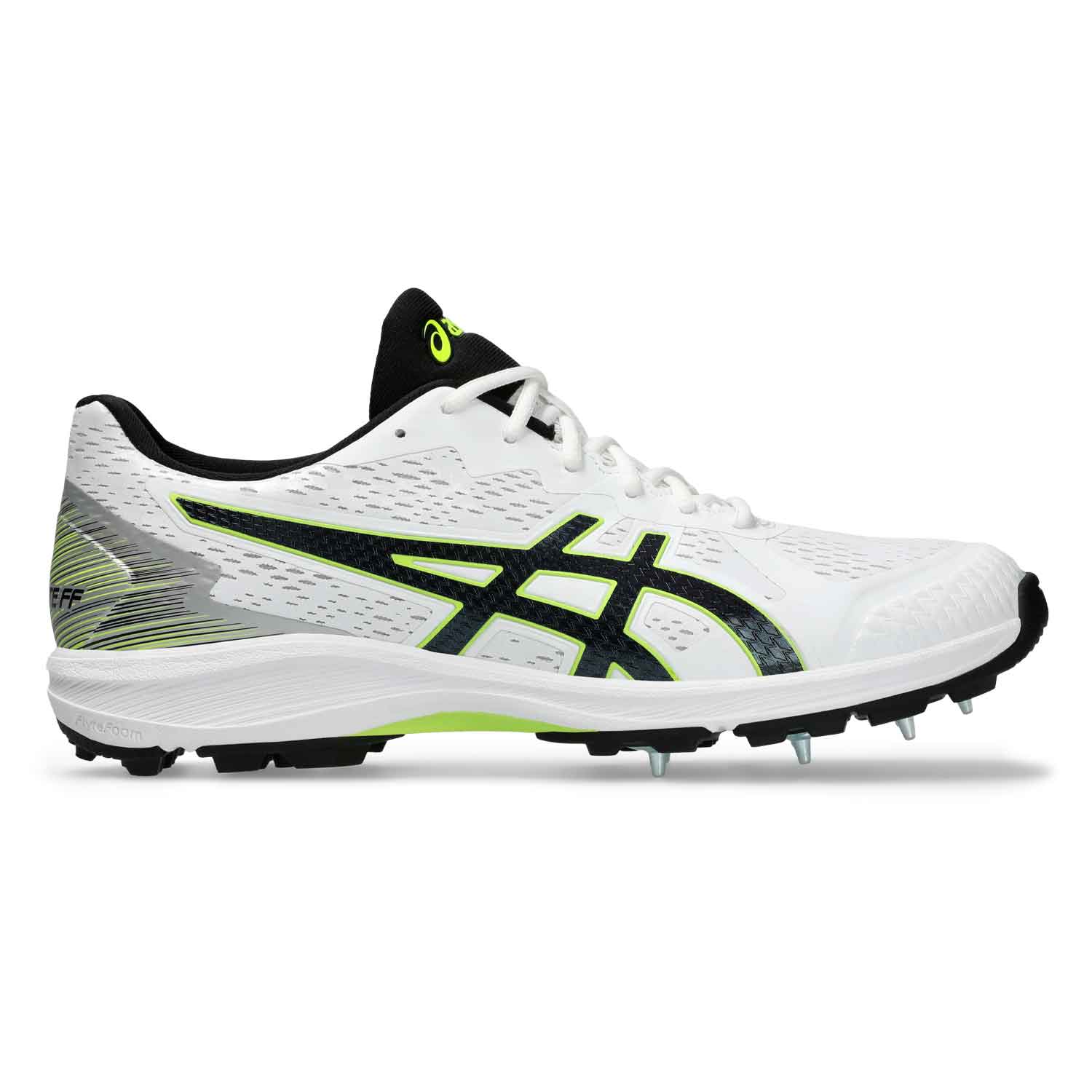
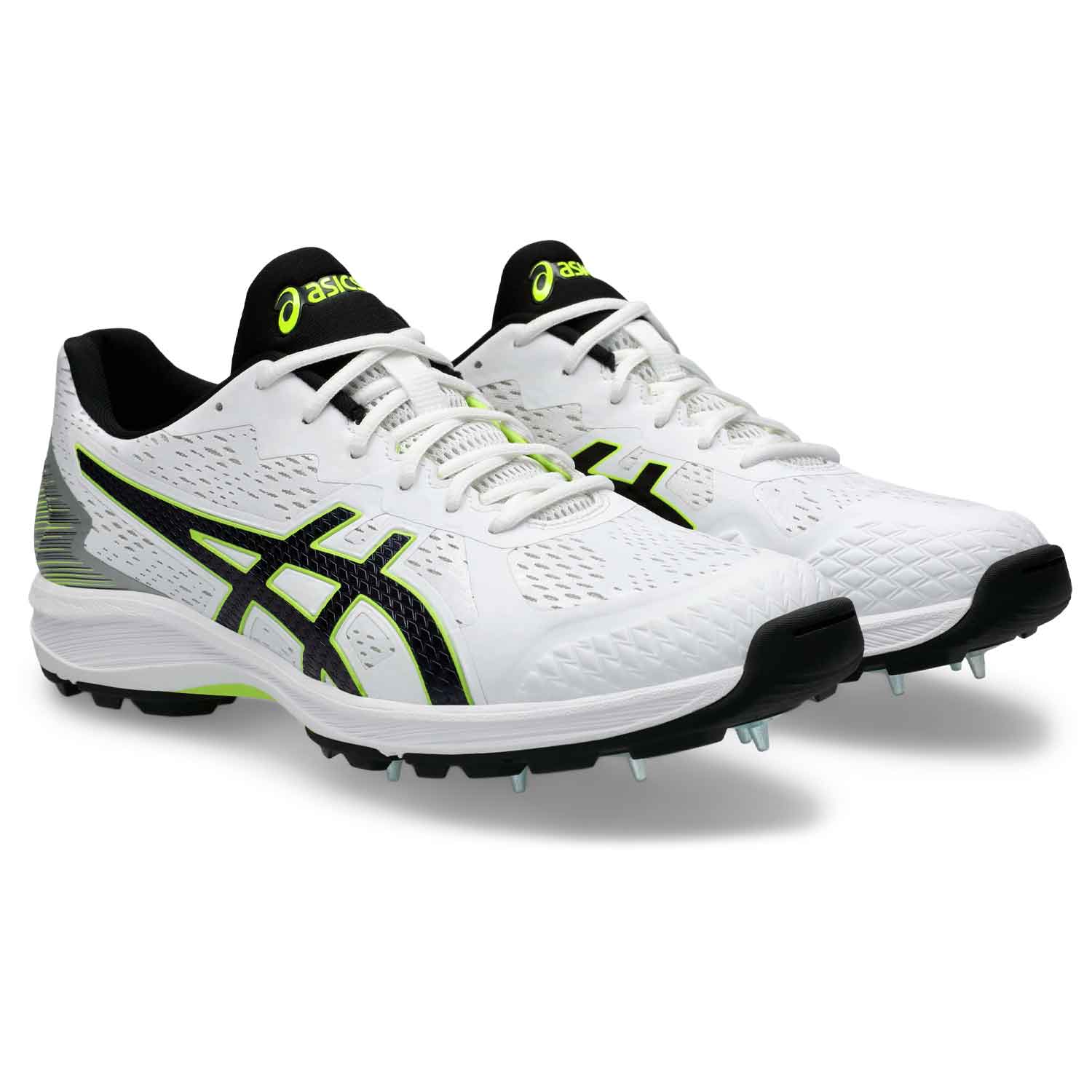
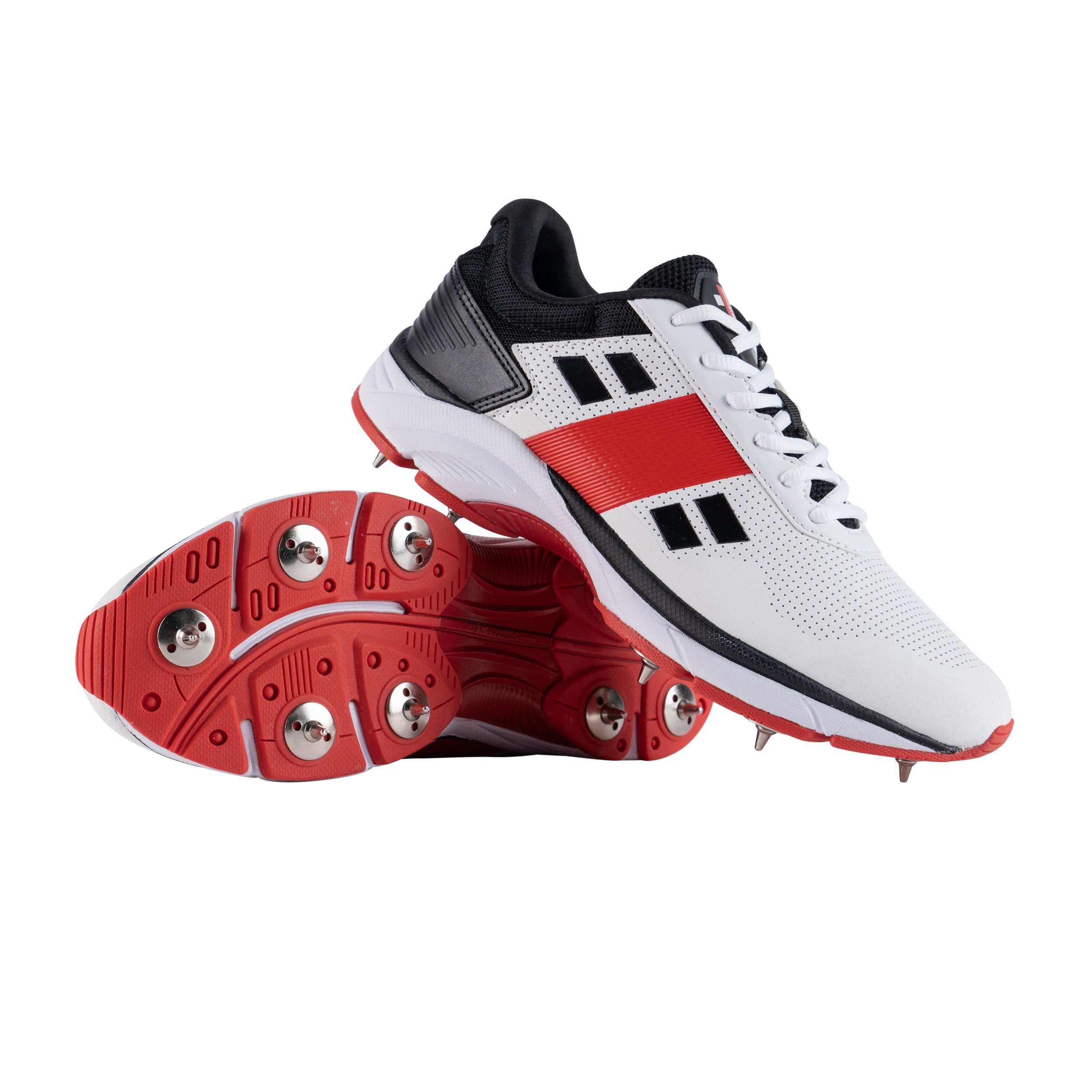
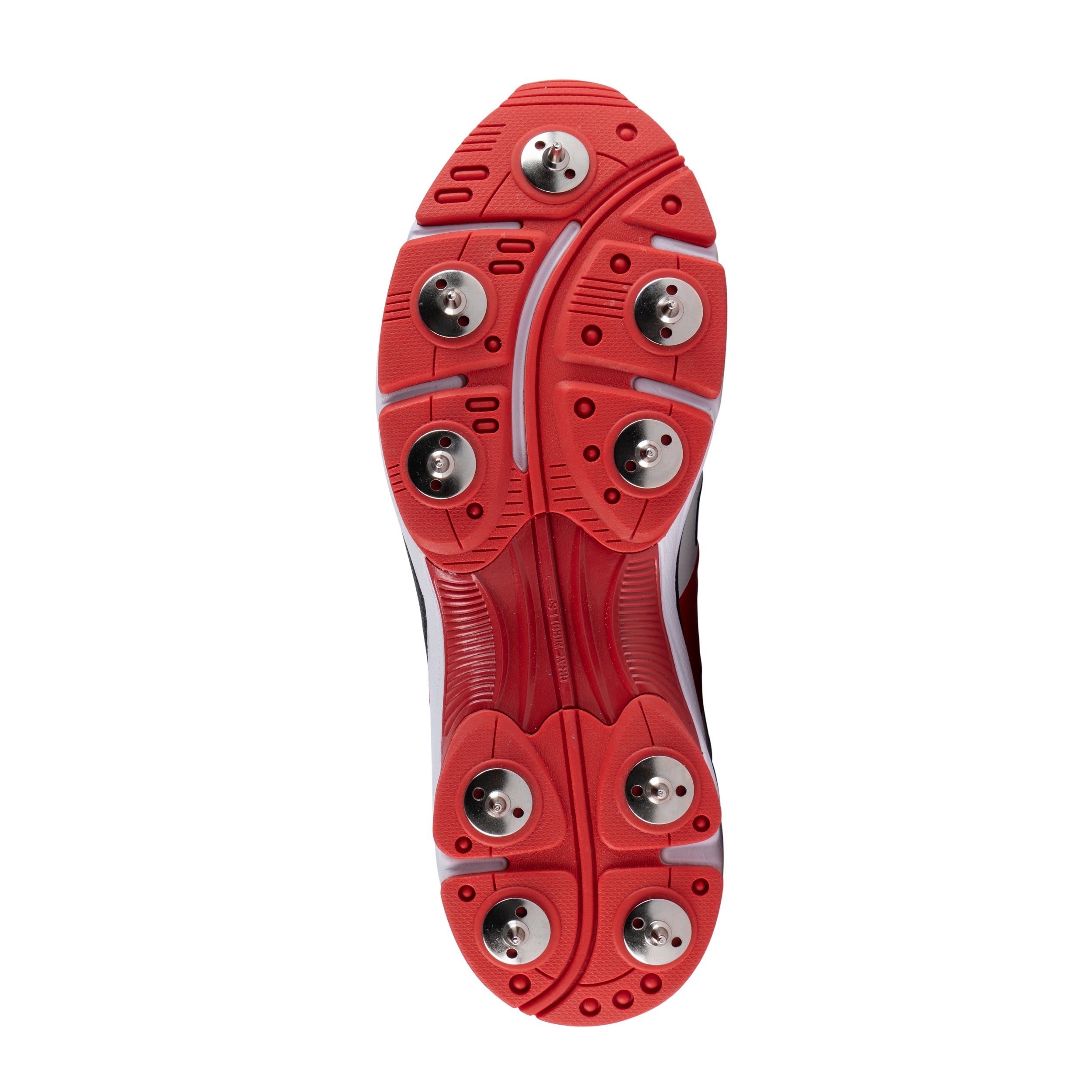
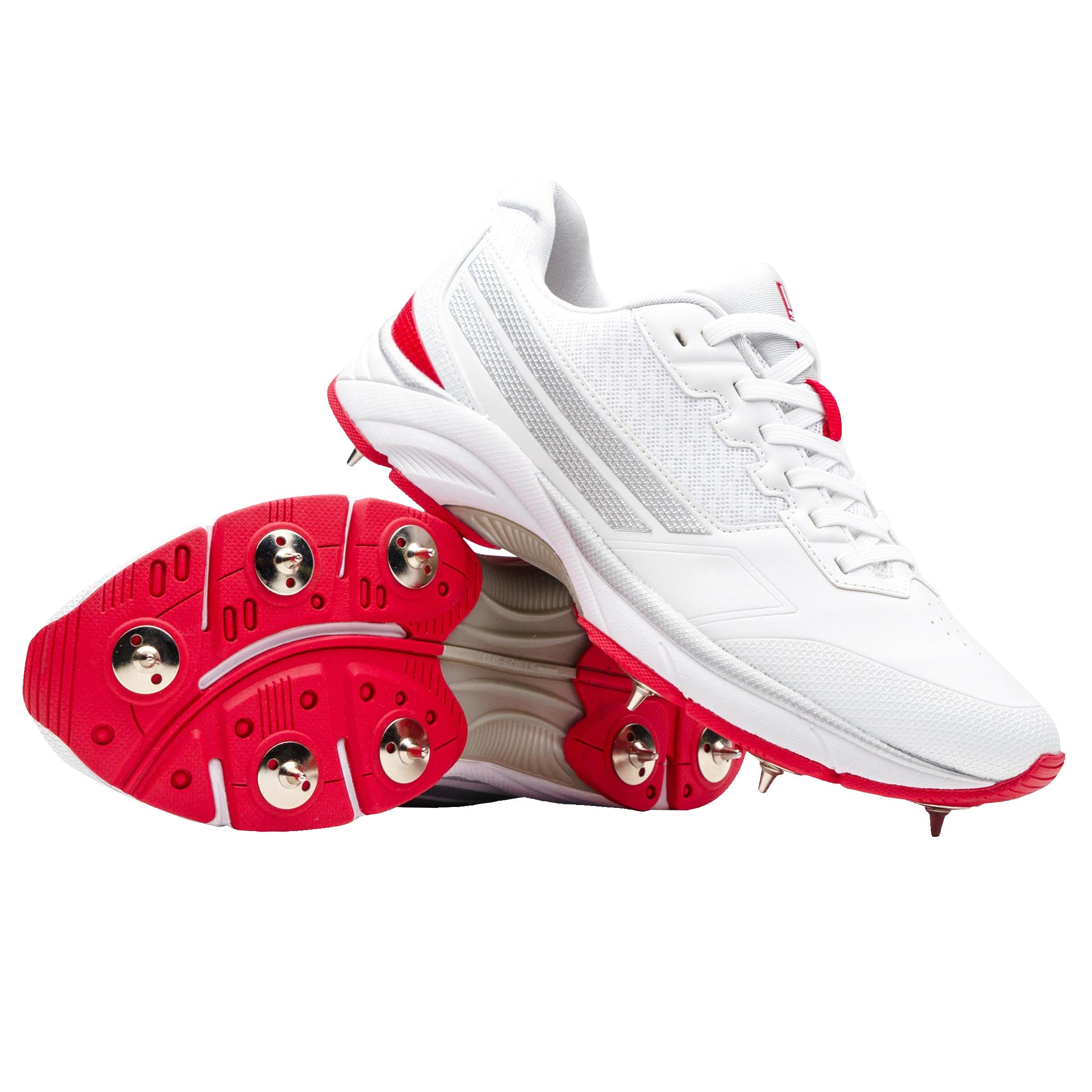
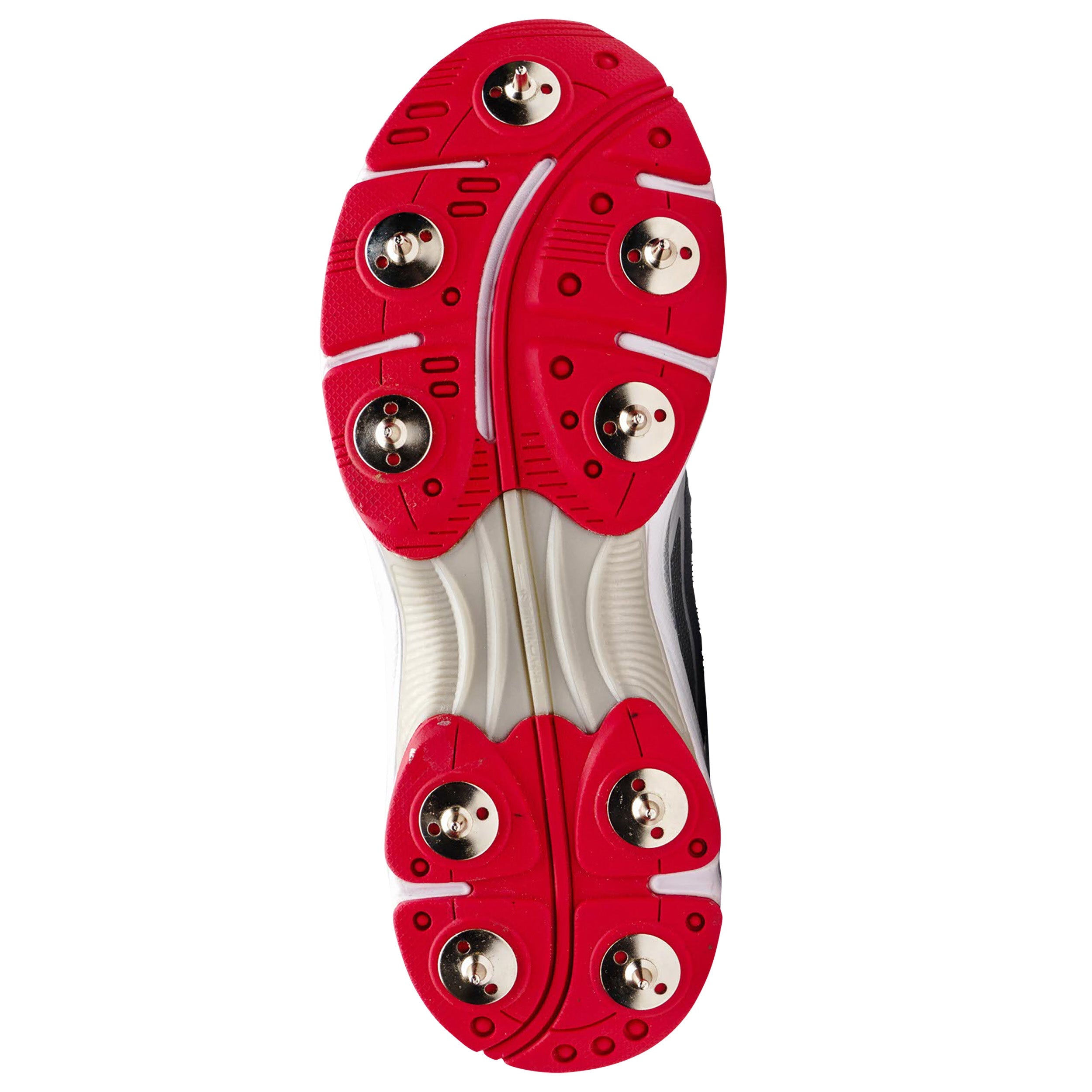
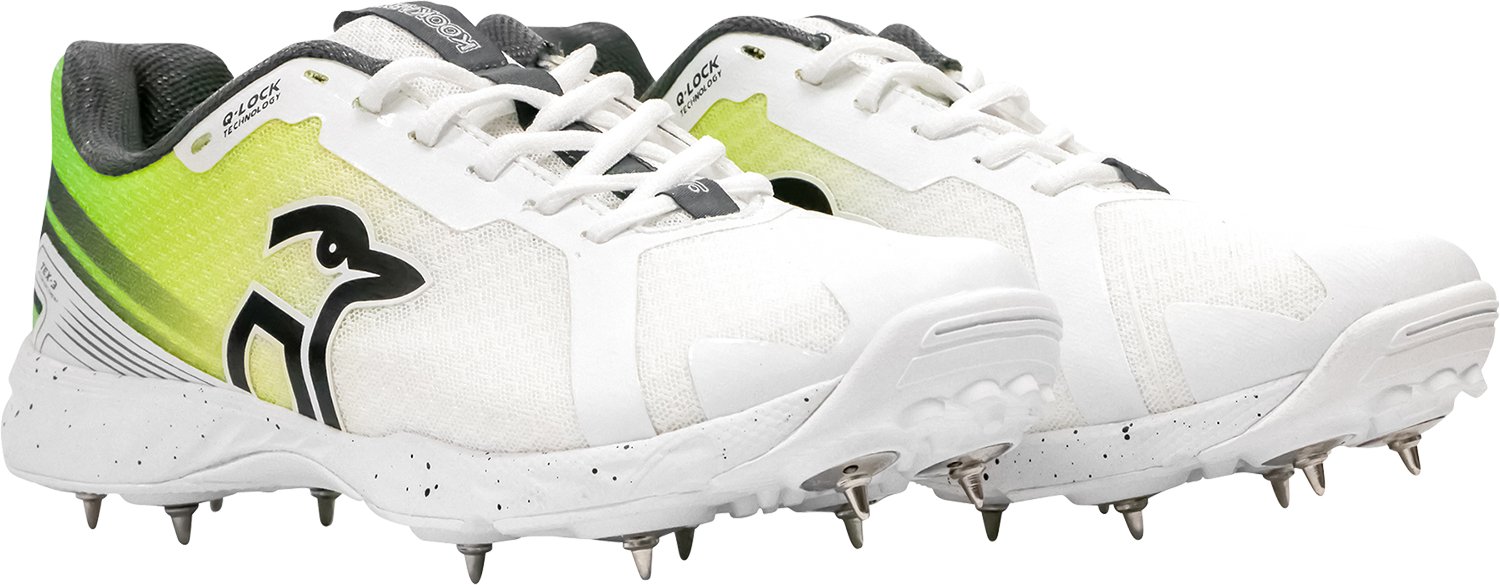
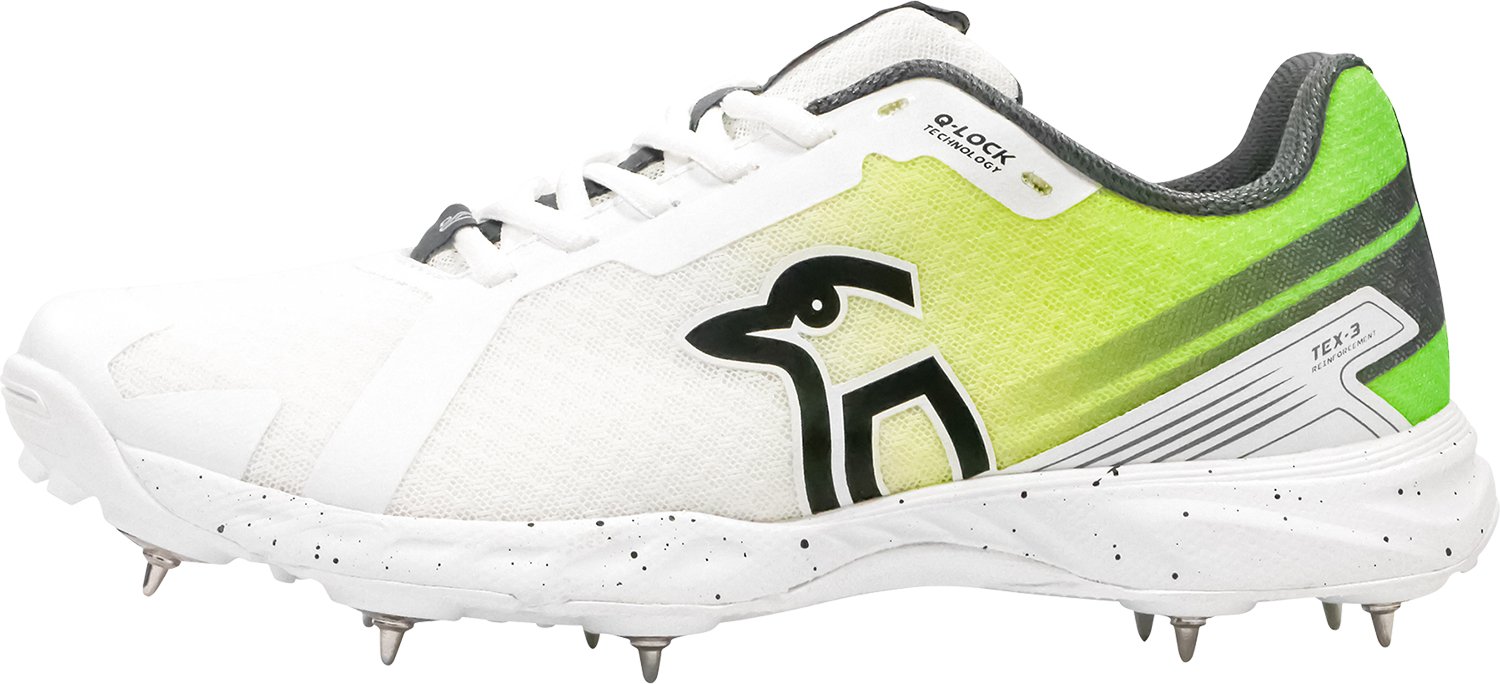
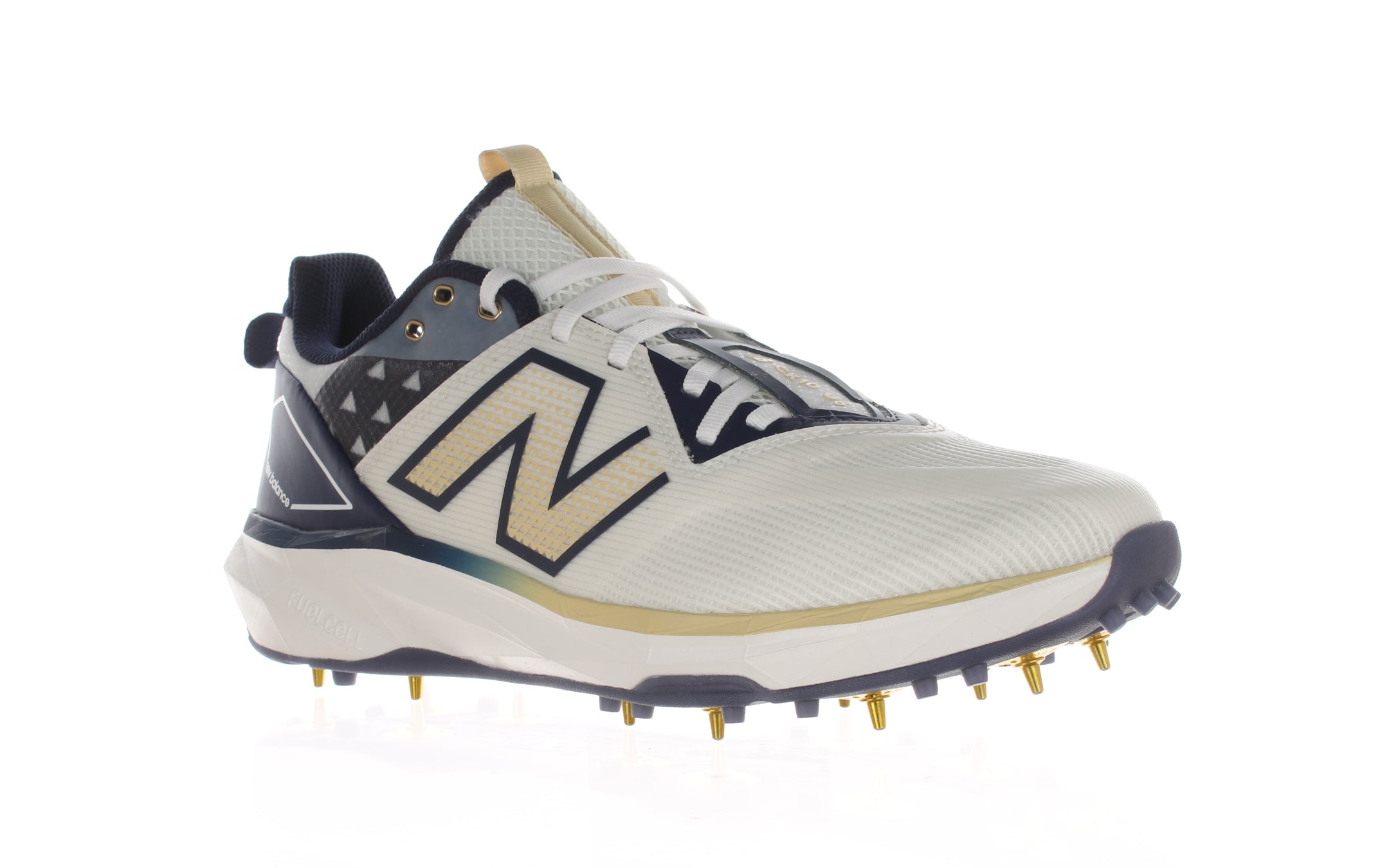
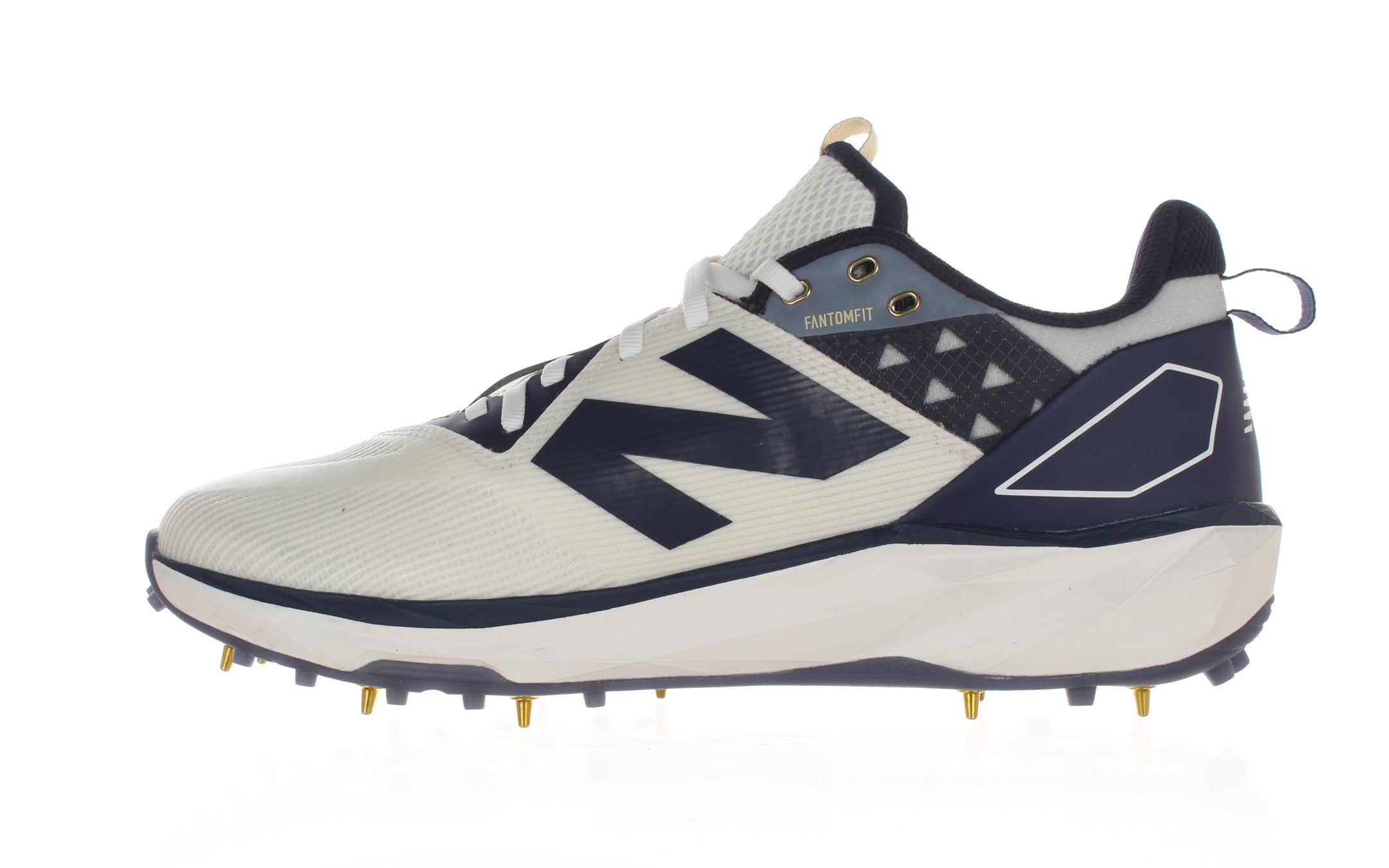
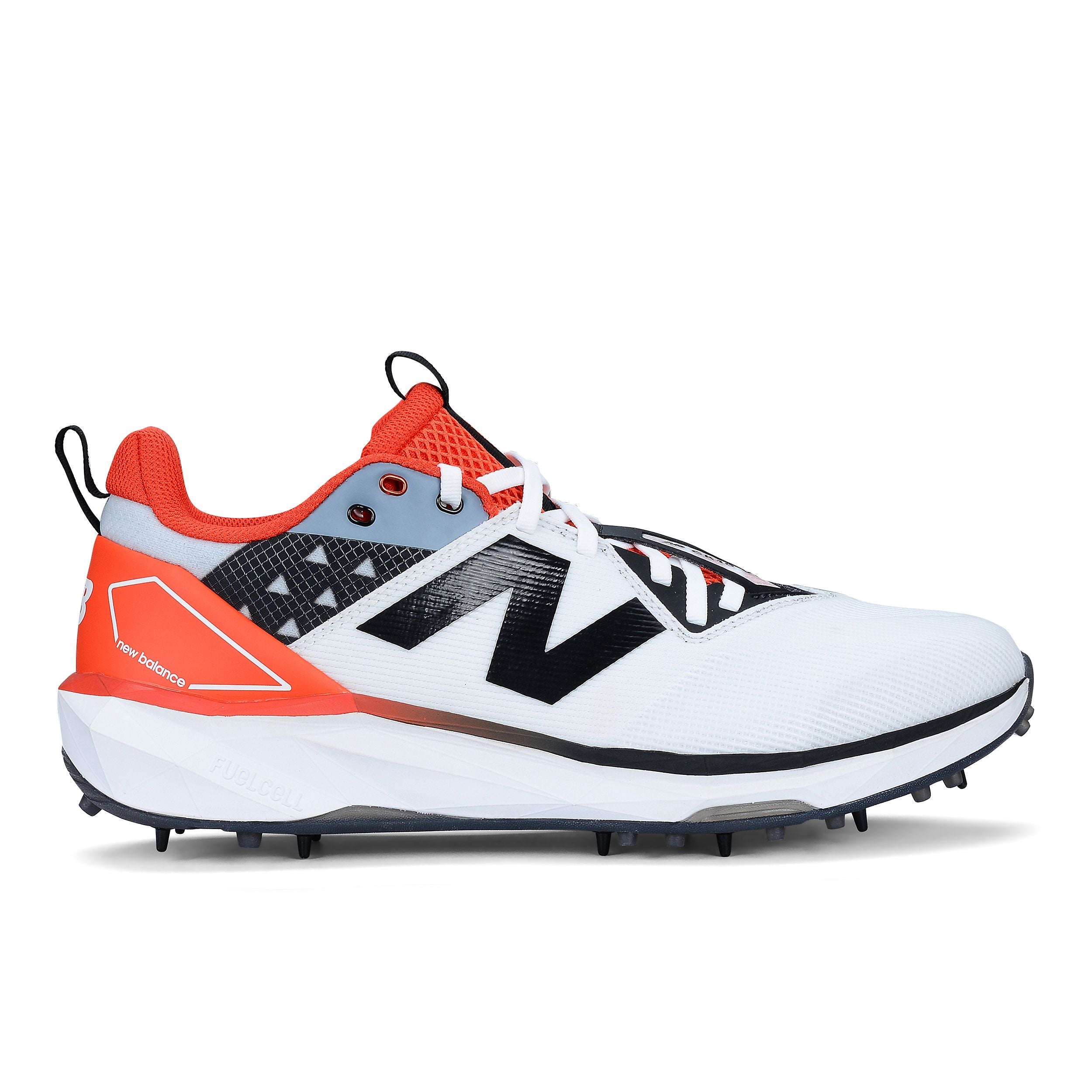
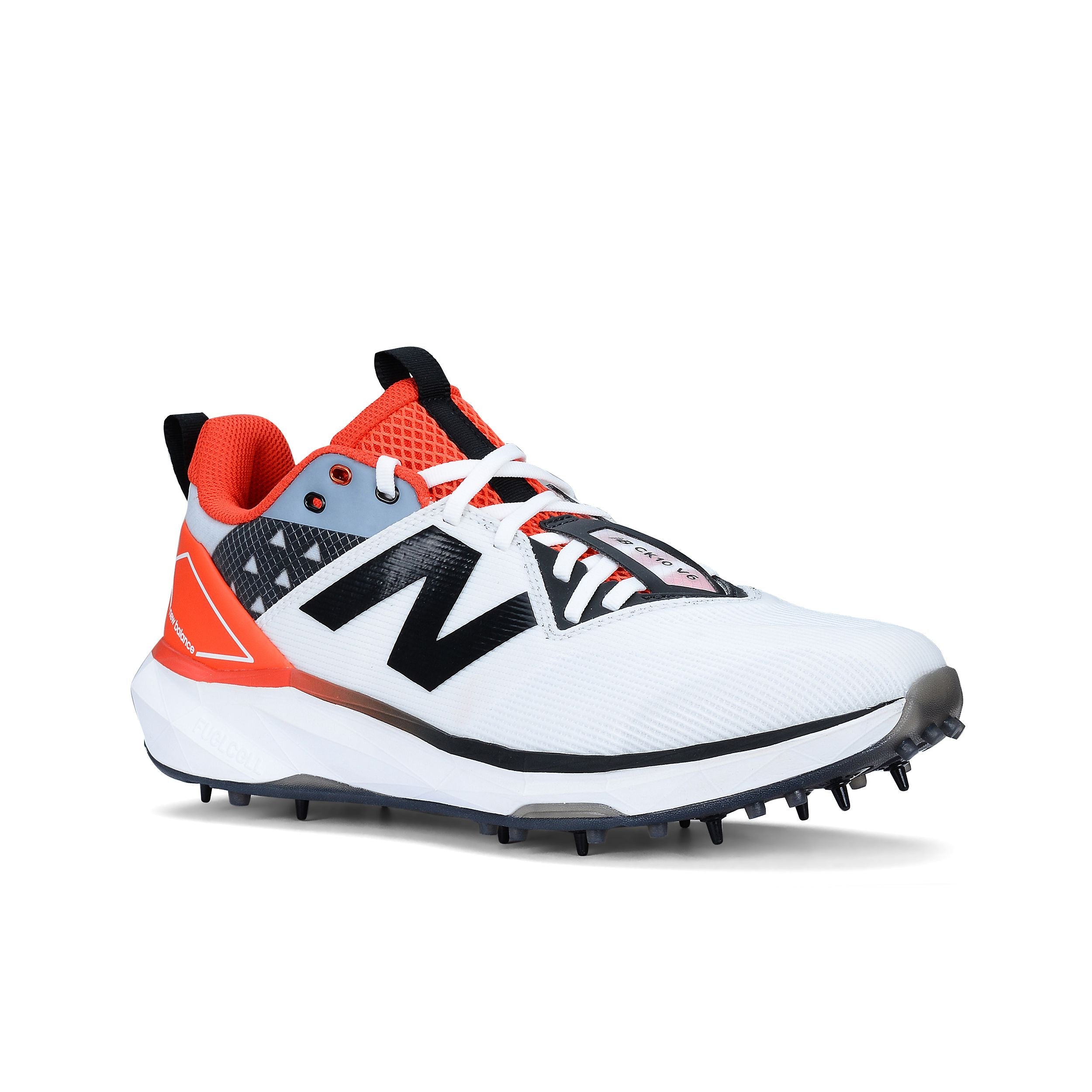
On the other hand, turf wickets are natural grass cricket pitches and are used in higher levels of club and representative cricket. For these surfaces, spike cricket shoes are the preferred choice as they dig into the ground and provide maximum traction for batting, bowling and fielding. In many competitions, spikes are also required on turf wickets because rubber soles can damage the playing surface by tearing or stripping the grass.
What shoes suit me?
Once the surface is covered, the next consideration is your role within the team. Batters and fielders generally benefit from lightweight cricket shoes that support quick movement, agility and comfort over long periods in the field. These shoes are designed to keep you light on your feet and responsive during fast changes in direction.
Bowlers, particularly fast bowlers, place far more demand on their footwear. They require shoes that are more durable and supportive, especially through the front foot during the delivery stride. Bowling shoes are often reinforced, slightly heavier, and built with additional cushioning and structure to handle repeated impact. Some models also include higher ankle support or locking systems such as straps to improve stability and reduce movement inside the shoe.
Ultimately, the right cricket shoe comes down to matching the playing surface with how you play the game. Rubber soles are ideal for hard wicket cricket, spikes are best for turf, and your role as a batter, fielder or bowler will then determine how light or supportive your shoe needs to be. Getting this combination right improves grip, reduces injury risk and helps you move with confidence at every level of the game.

Getting the correct fit in cricket shoes is essential because the game involves constant stop-start movement, quick changes in direction, and long periods on your feet. Unlike casual footwear, cricket shoes should feel snug and secure from the outset, as any internal movement can lead to blisters, instability, or reduced performance in the field.
As a general guide, most players require around 1cm of space at the front of the shoe. This allows enough room for natural foot movement during running and helps account for slight swelling during long innings or training sessions. While there should be space at the toe, the fit should still feel firm and controlled around the midfoot and heel.
Width is equally important. The shoe should feel snug through the sides of the foot without tight pressure points. A secure fit through the midfoot ensures stability when batting, bowling or changing direction quickly, while still allowing enough comfort for extended play.
If your shoes don’t fit correctly
If your cricket shoes don’t fit as expected, we make the exchange process simple. You can return the shoes to us (return shipping at your cost), and we will send out the replacement size at no additional shipping cost. This means we effectively share the return process, making it easy to get the correct fit without unnecessary hassle.
Our goal is to ensure you end up with the right size and the right level of comfort, so you can focus on your game with confidence.
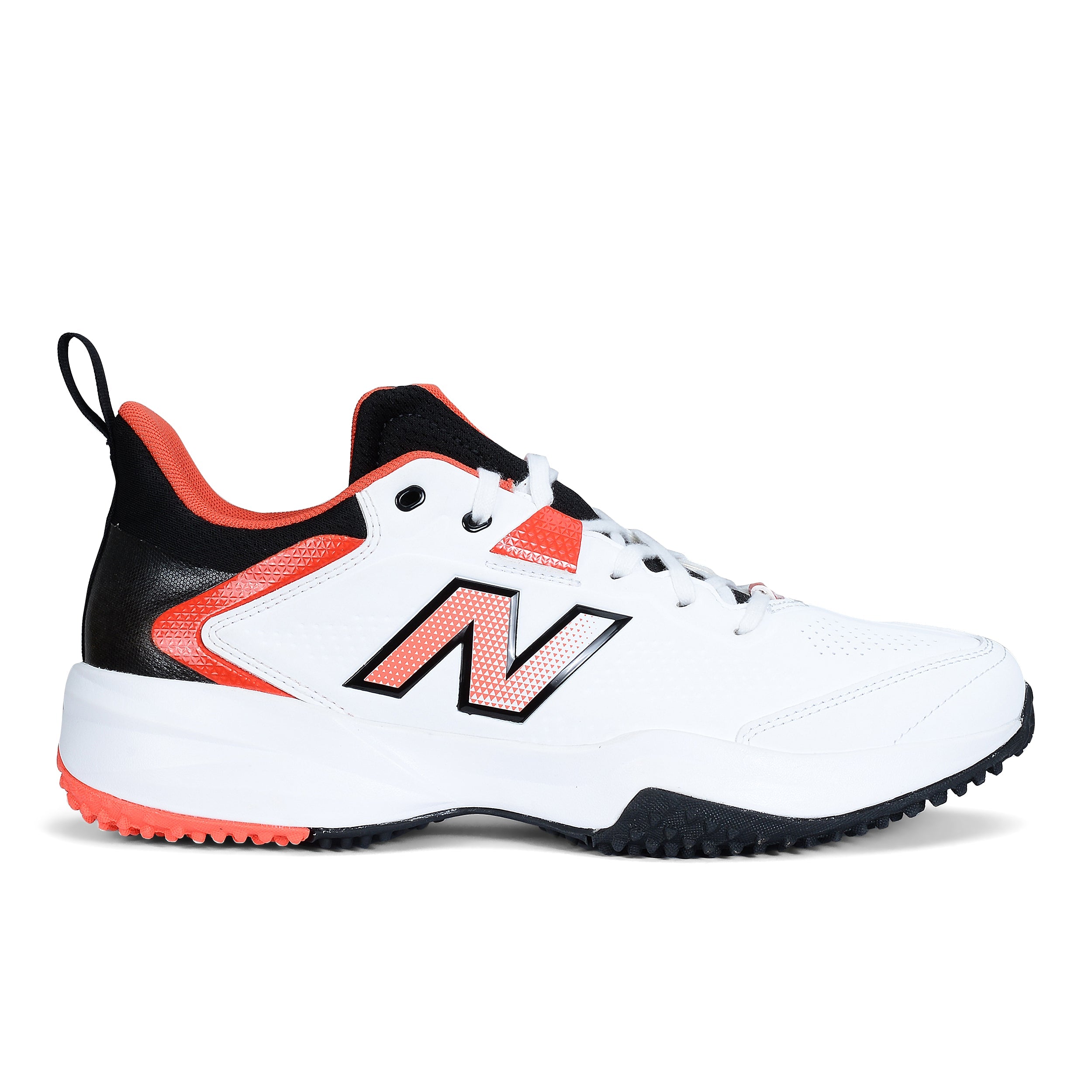
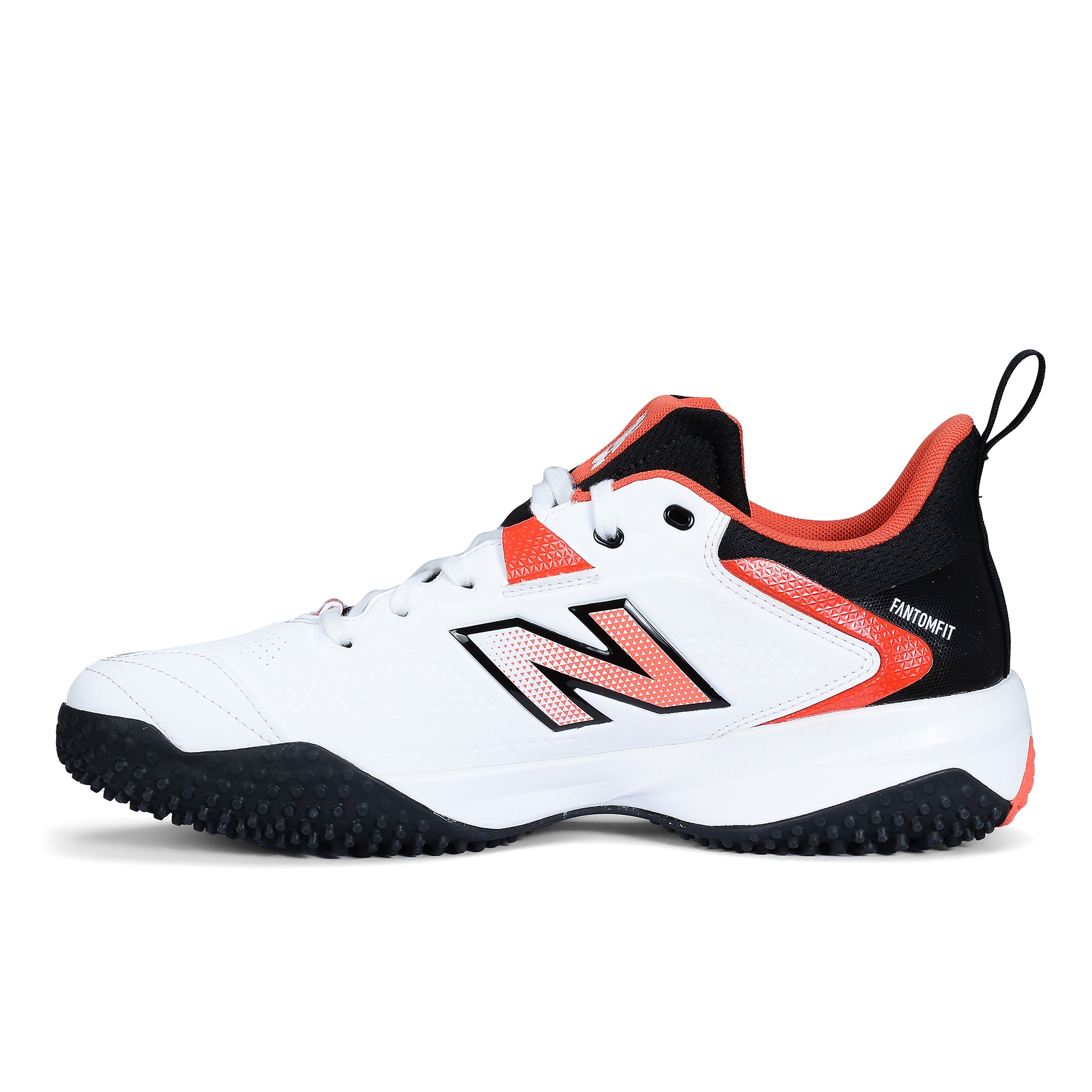
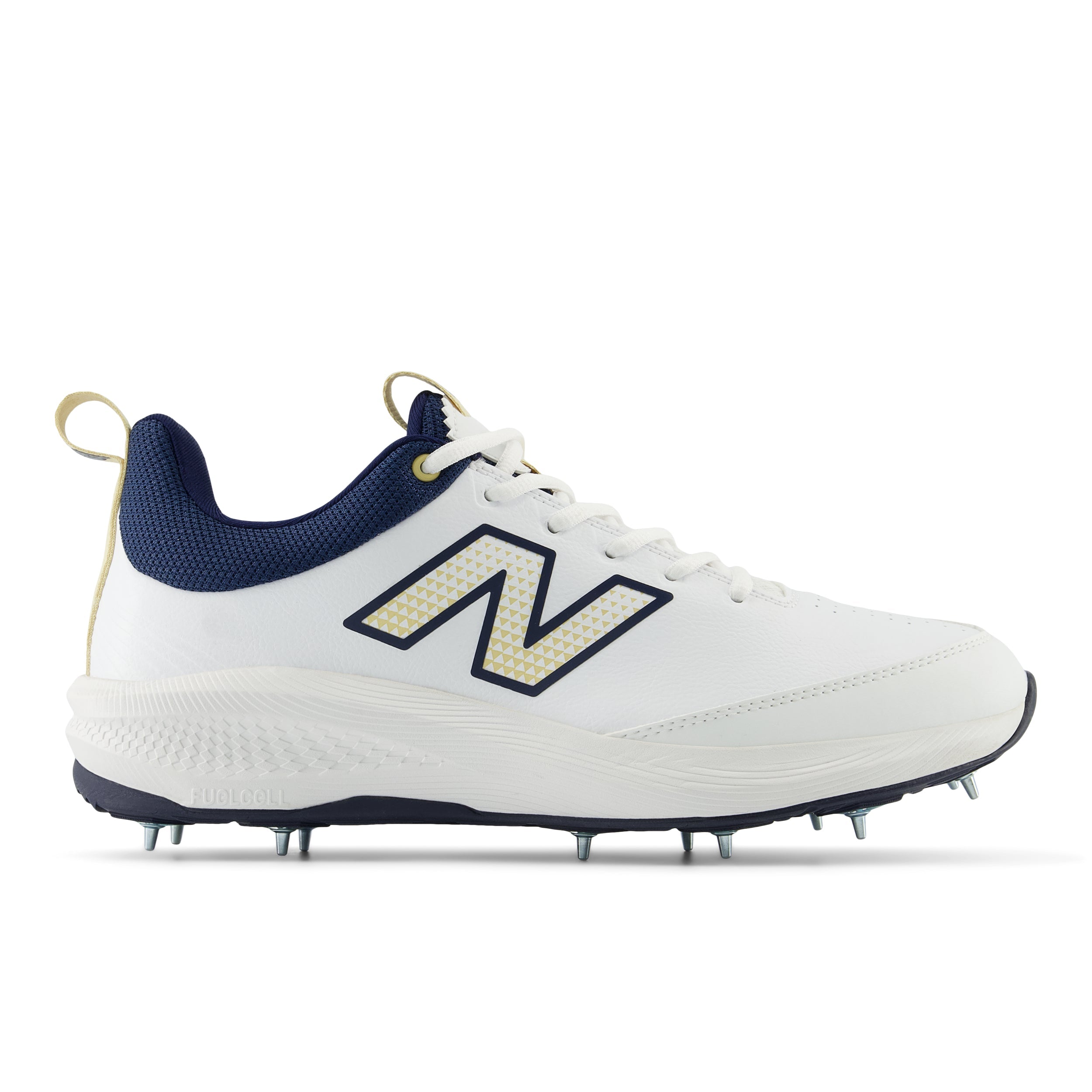
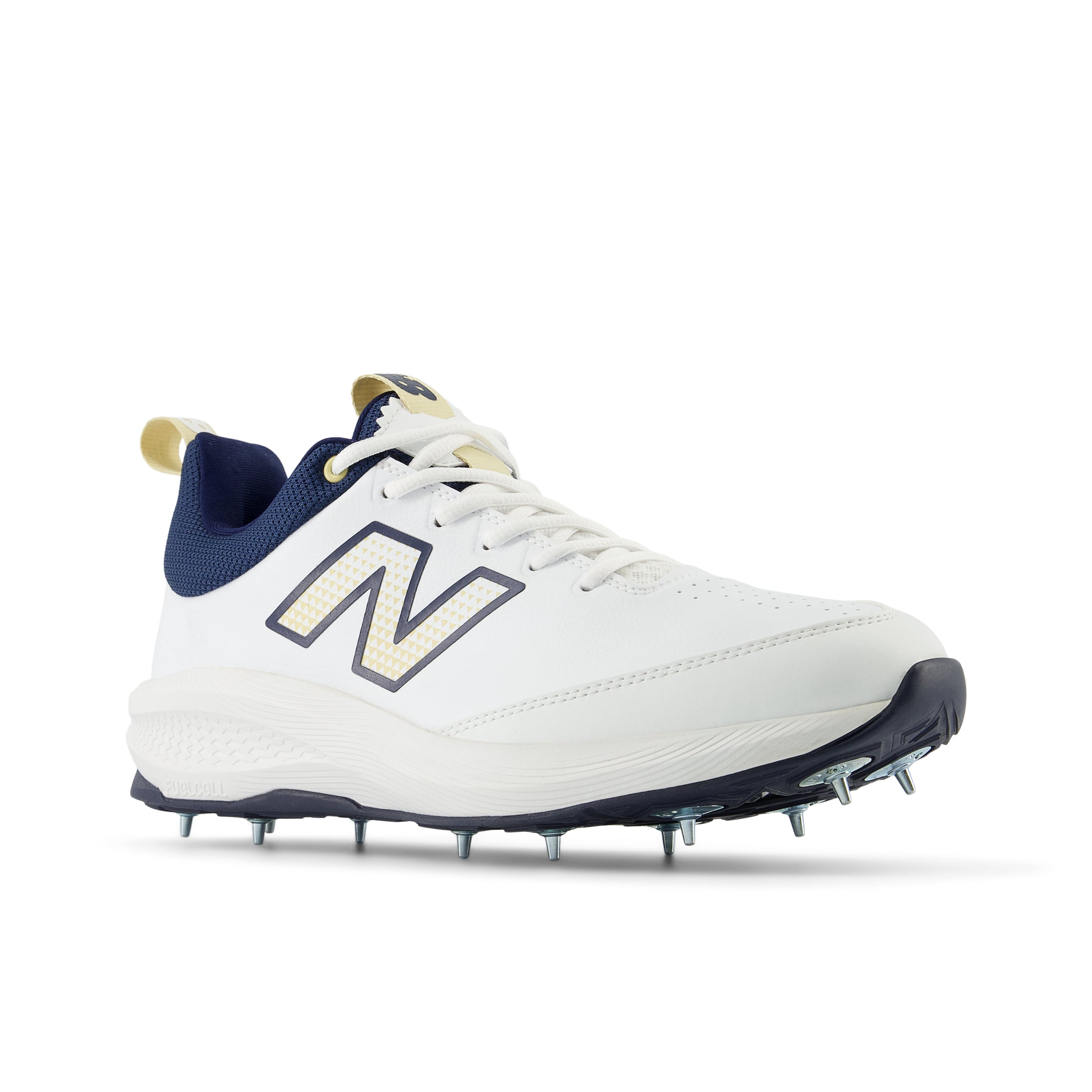
Looking for more details? Click the product information links below to explore cricket size guides, bat weights, equipment care tips, and detailed gear specifications — everything you need to choose the right cricket gear with confidence.


