
Explore wicket keeping gloves, pads and inners from leading brands including Kookaburra, Gray-Nicolls and DSC. Whether you're a junior keeper learning the fundamentals or an experienced player standing up to fast bowling, Cricket Warehouse has wicket keeping equipment to suit every age and level of the game.

Wicket keeping is one of the most specialised positions on the cricket field and requires equipment specifically designed to support the unique demands of the role. Unlike batting equipment, wicket keeping gear prioritises mobility, flexibility and comfort, allowing keepers to move quickly, squat comfortably and react to every delivery.
Why Wicket Keeping Gear Is Different To Batting Gear
While batting pads and gloves are designed primarily for protection against direct impact from the ball, wicket keeping equipment is built around movement. Keepers spend long periods crouching, standing up to take catches, diving and moving laterally behind the stumps. As a result, wicket keeping pads and gloves are significantly lighter and less restrictive than their batting equivalents.
Lightweight Pads
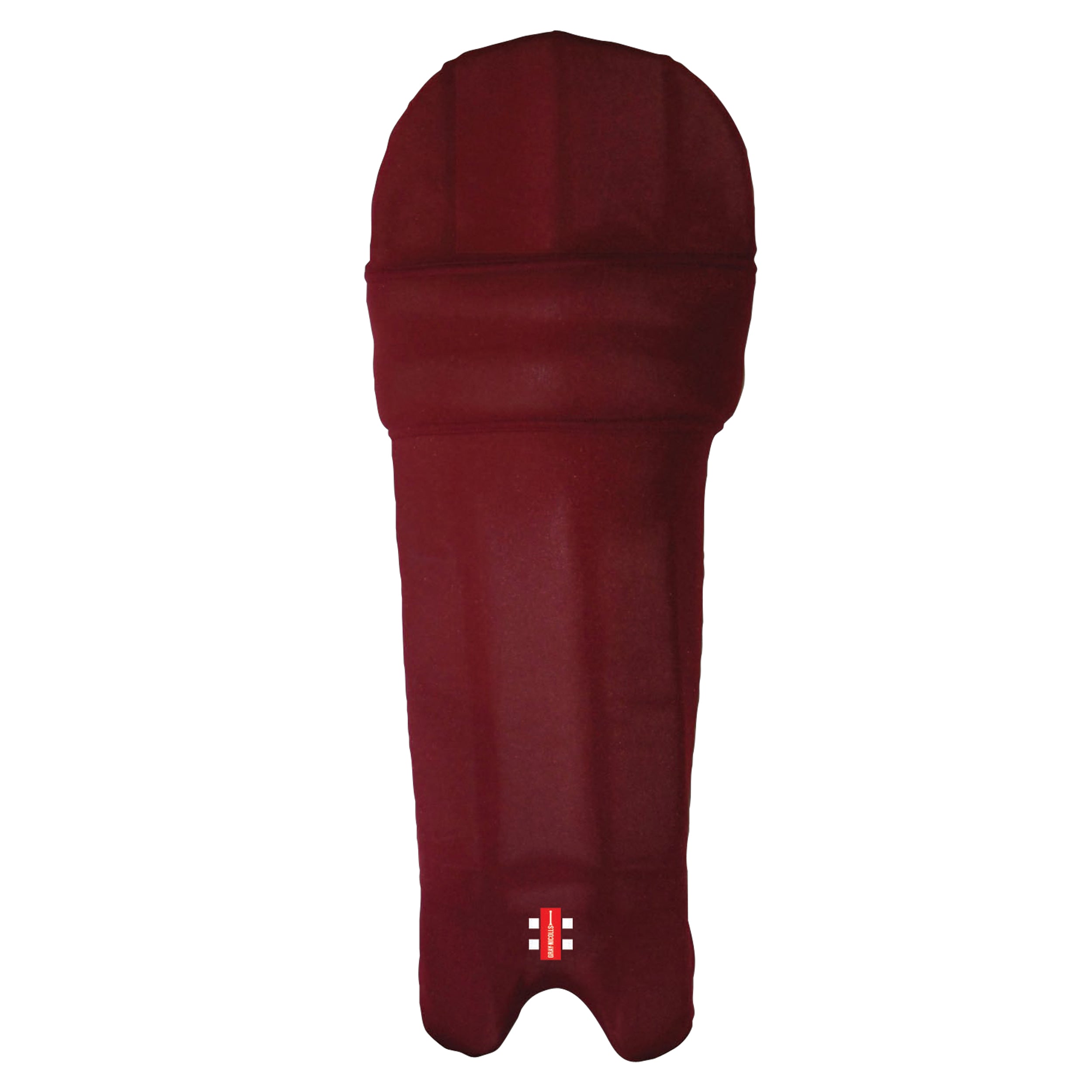
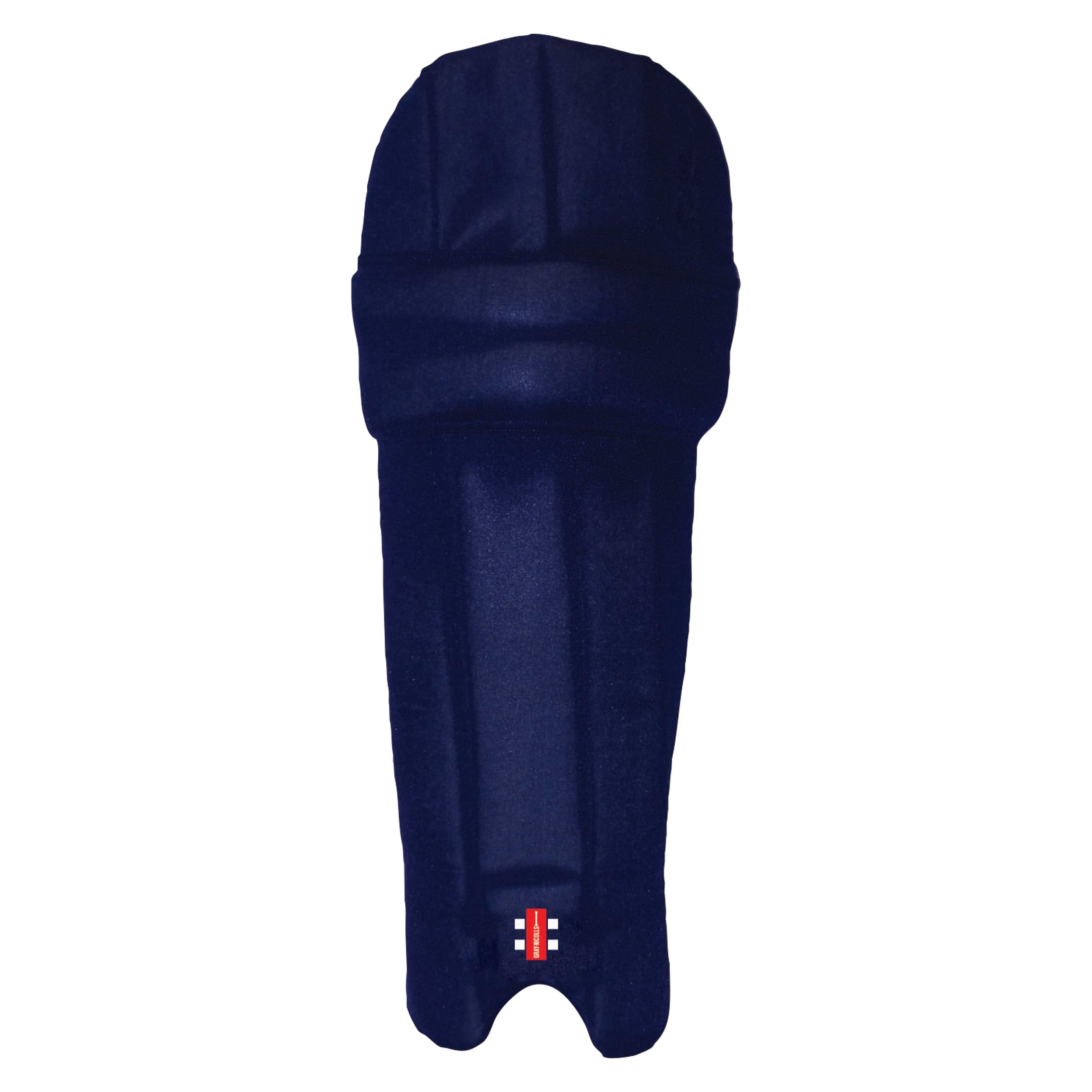
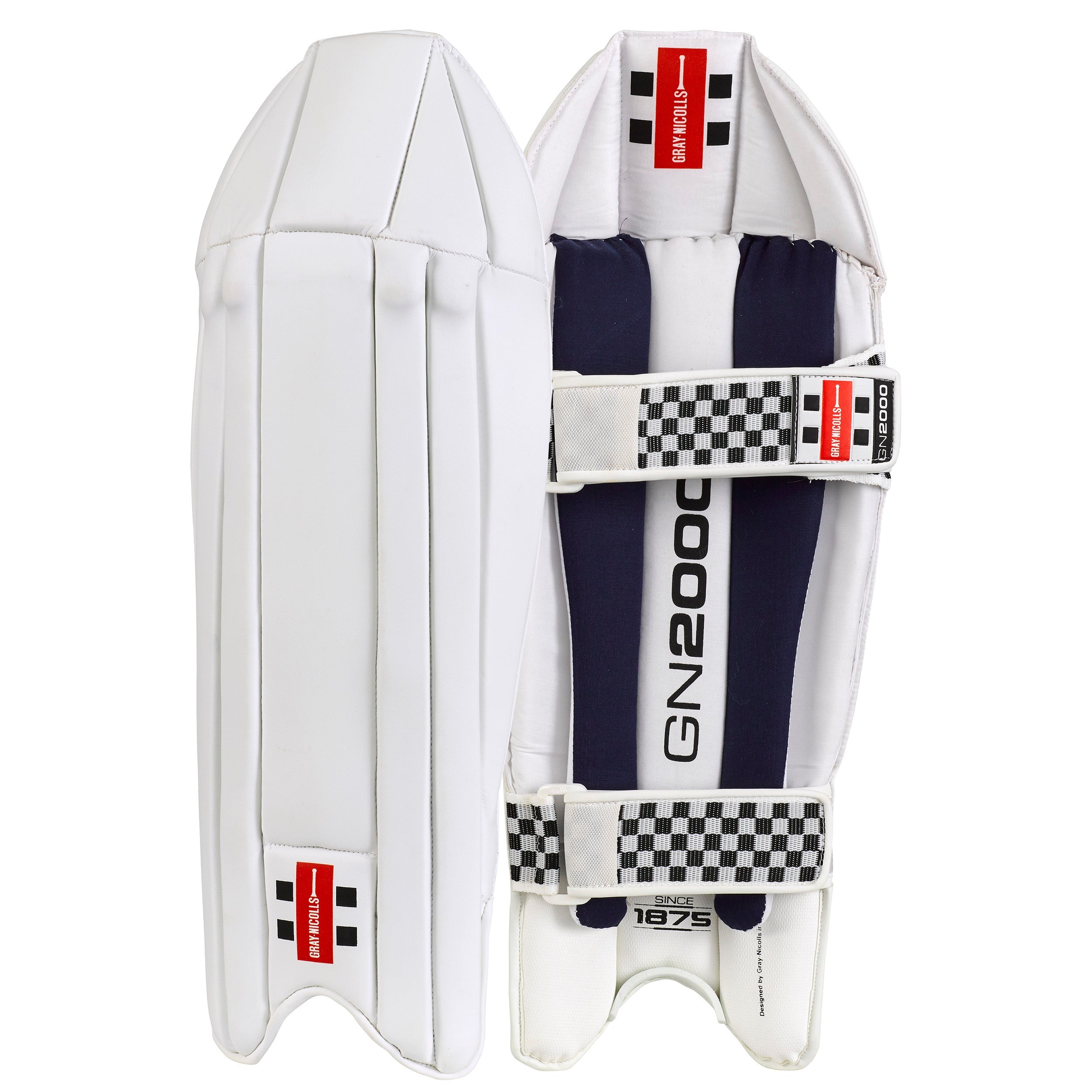
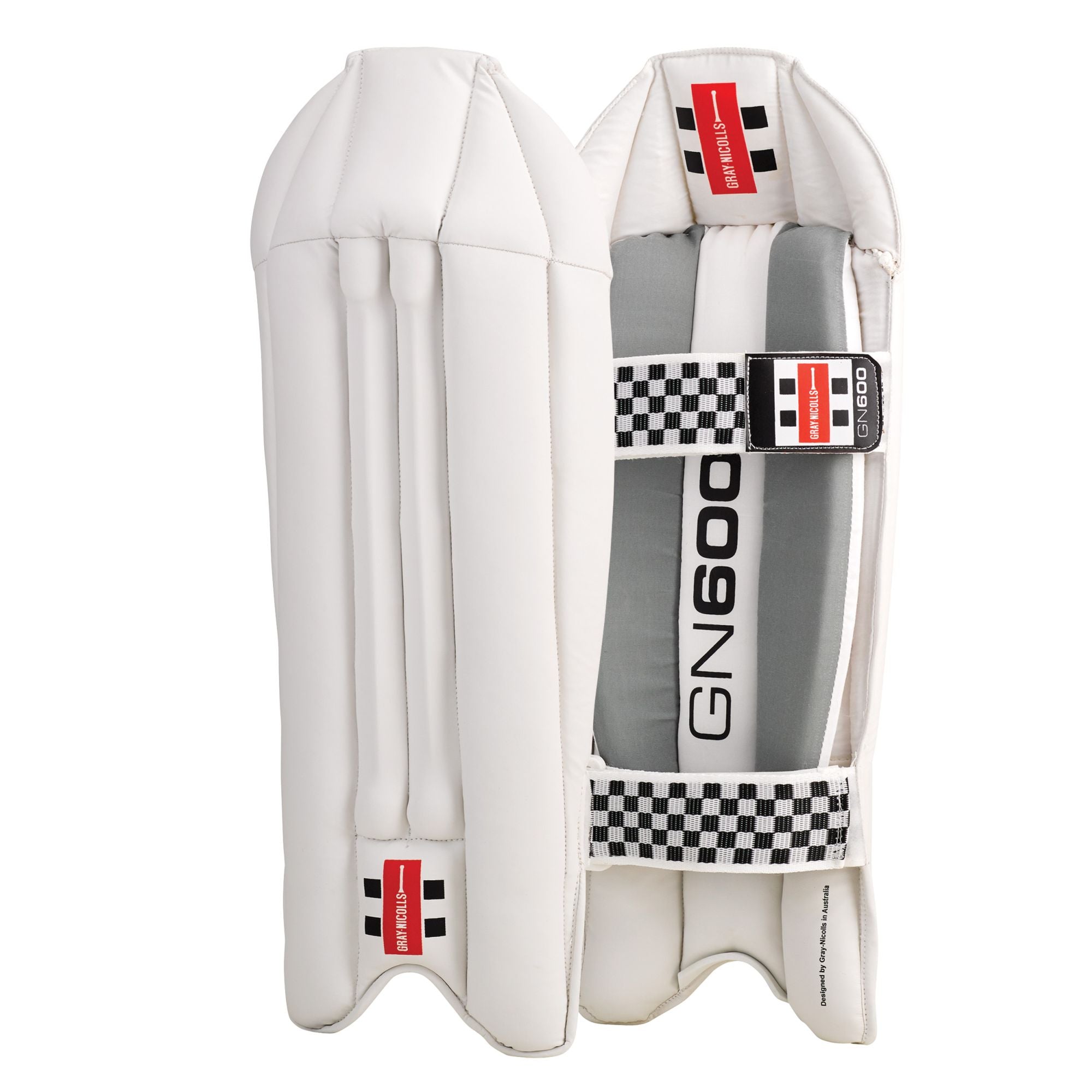
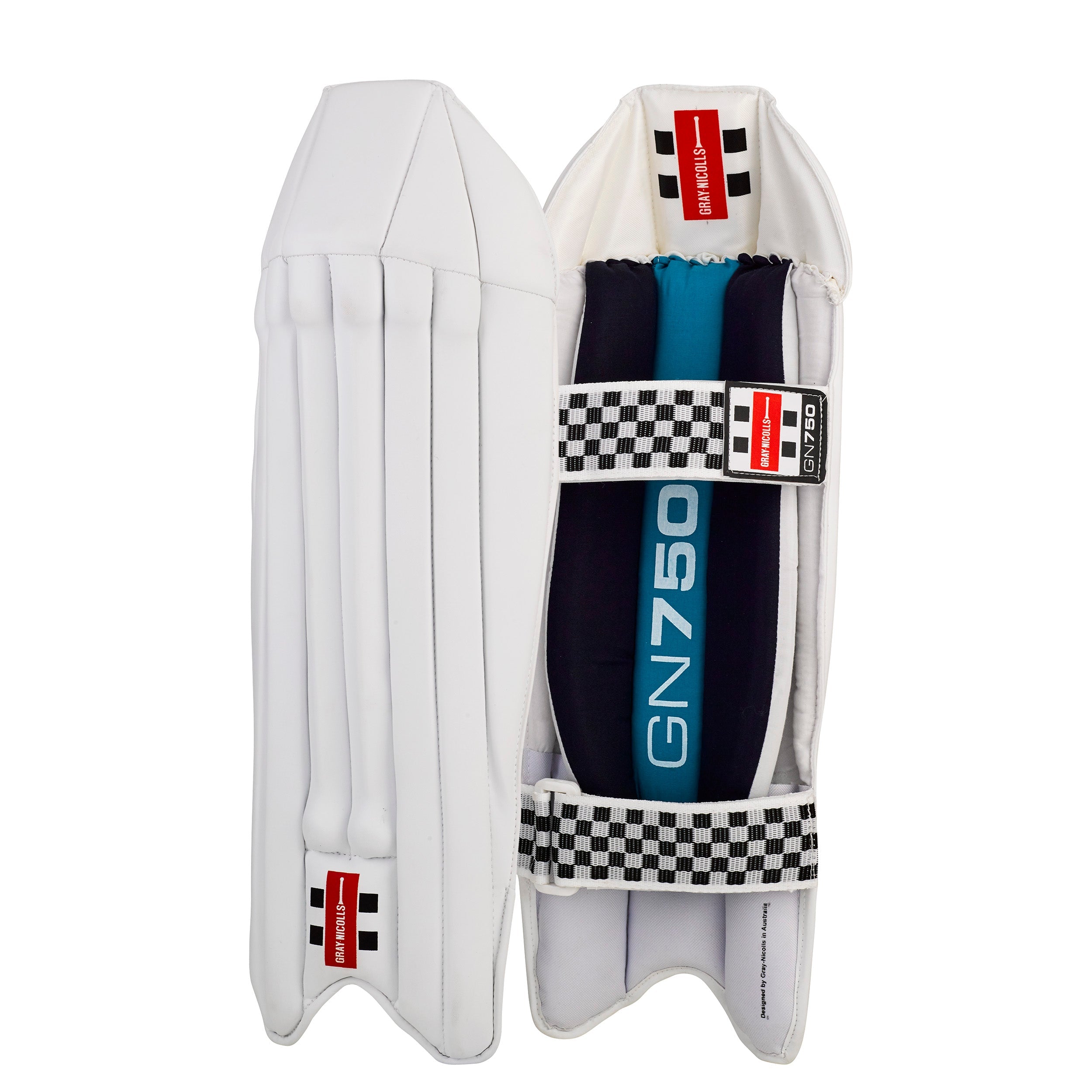
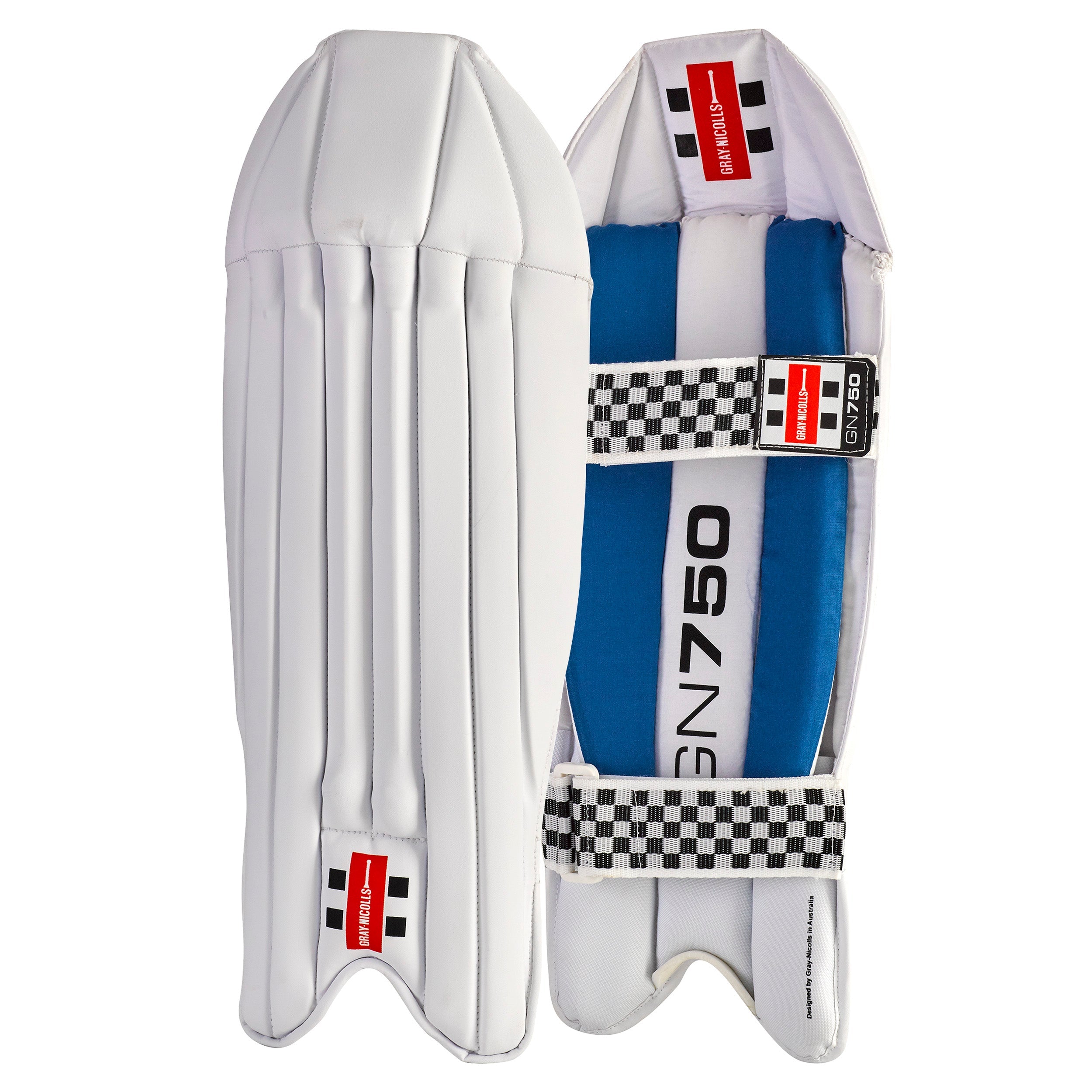
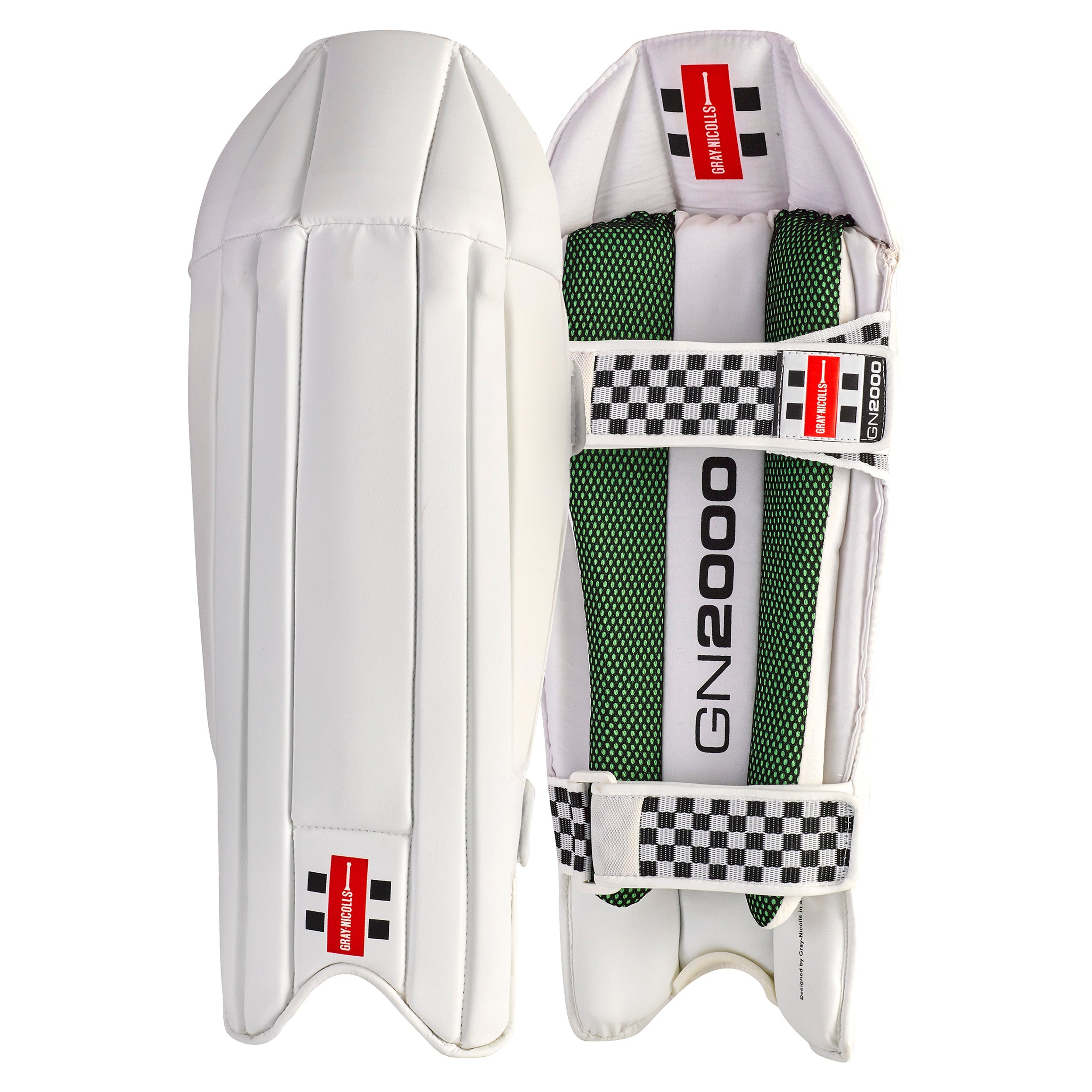
Wicket keeping pads are designed to provide protection while minimising bulk and weight. Compared to batting pads, they are slimmer, lighter and shaped to allow greater flexibility when squatting and moving around the crease. This lightweight design helps keepers remain comfortable throughout long innings while maintaining the agility needed to react quickly to edges, deflections and stumpings.
Freedom Of Movement
Freedom of movement is one of the most important considerations when selecting wicket keeping equipment. Pads should allow the keeper to comfortably move into a crouched position without straps digging into the back of the knee or restricting movement. Gloves should feel secure while allowing natural hand movement and quick reactions. Well-fitted equipment helps keepers move confidently and perform at their best throughout a day's play.
Wicket Keeping Glove Construction
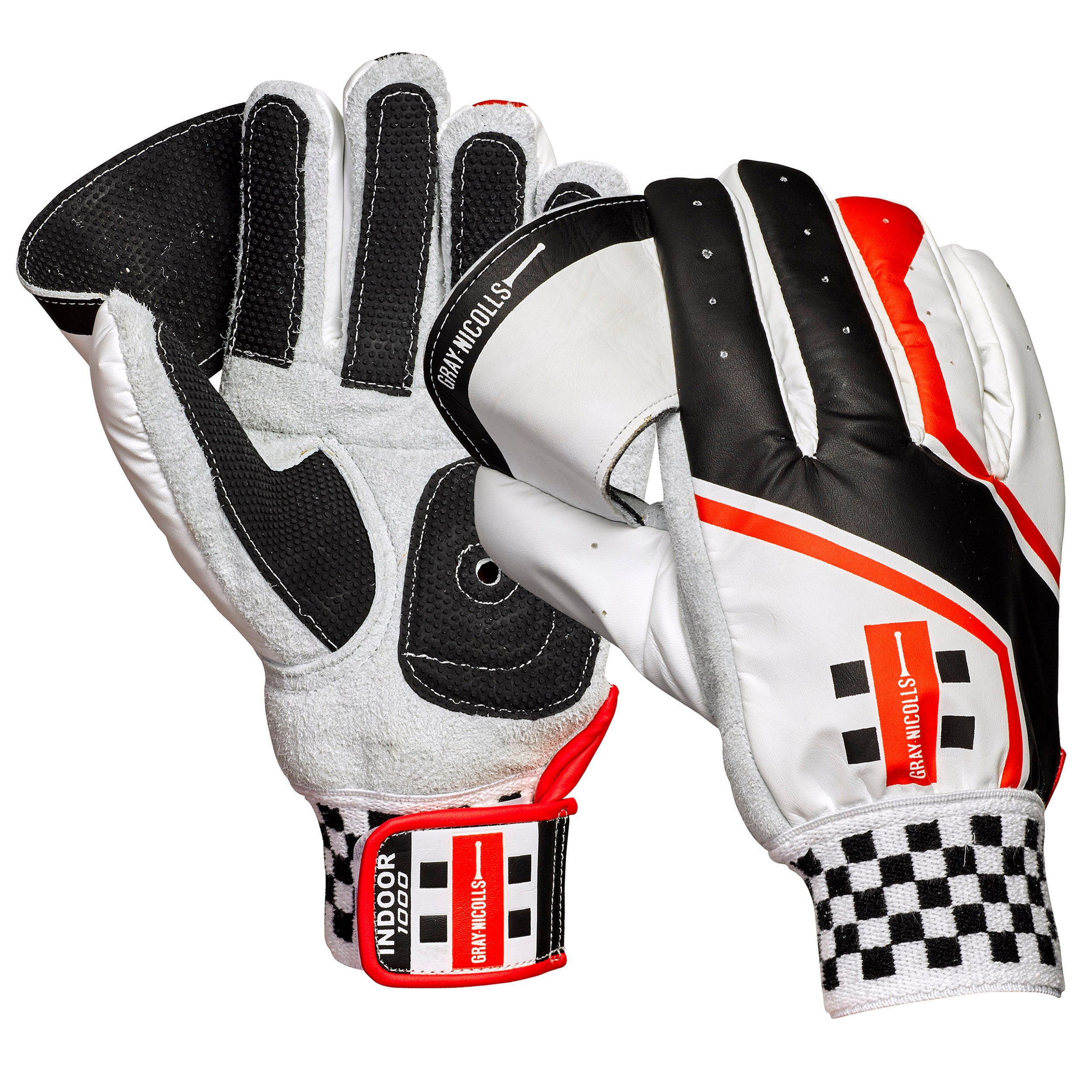
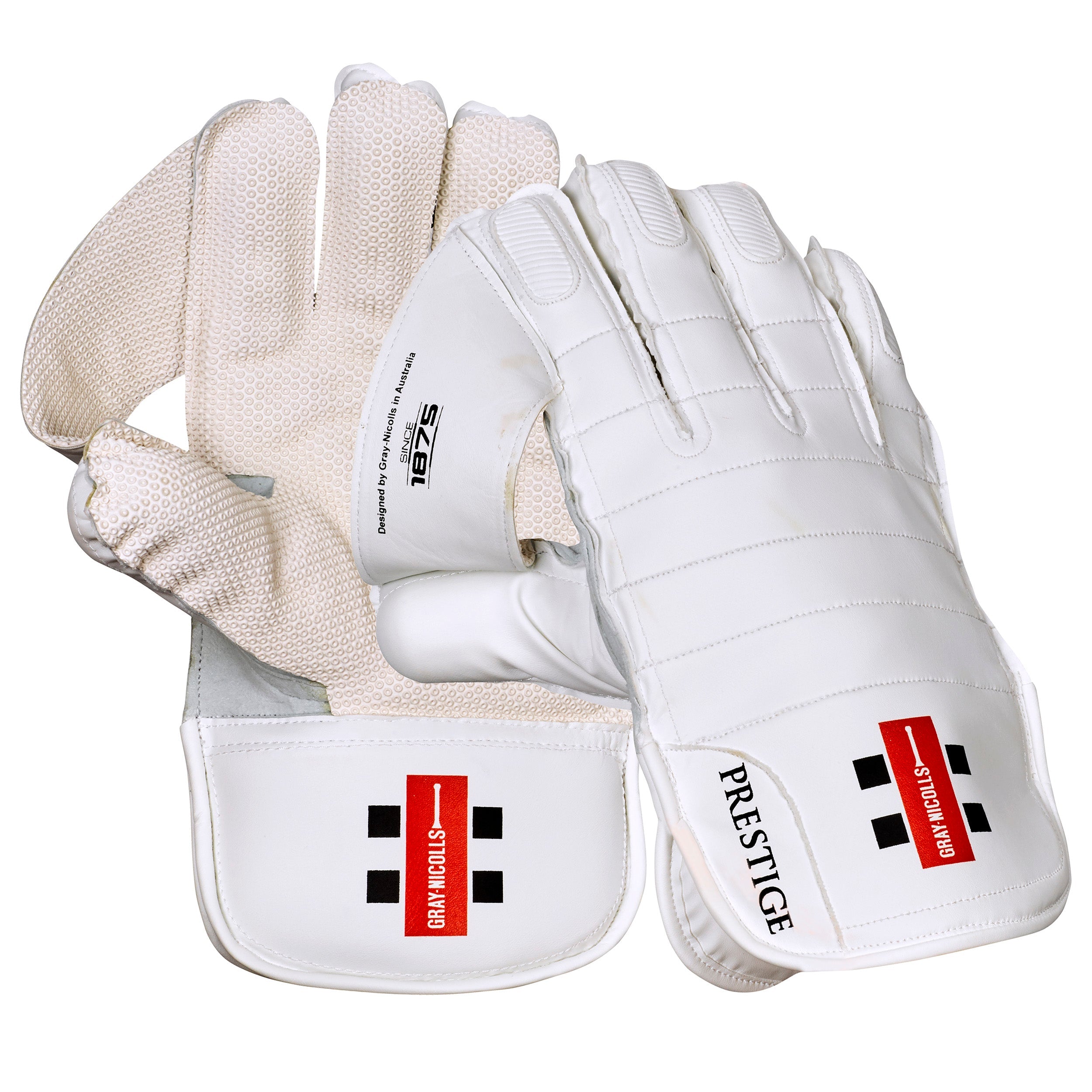
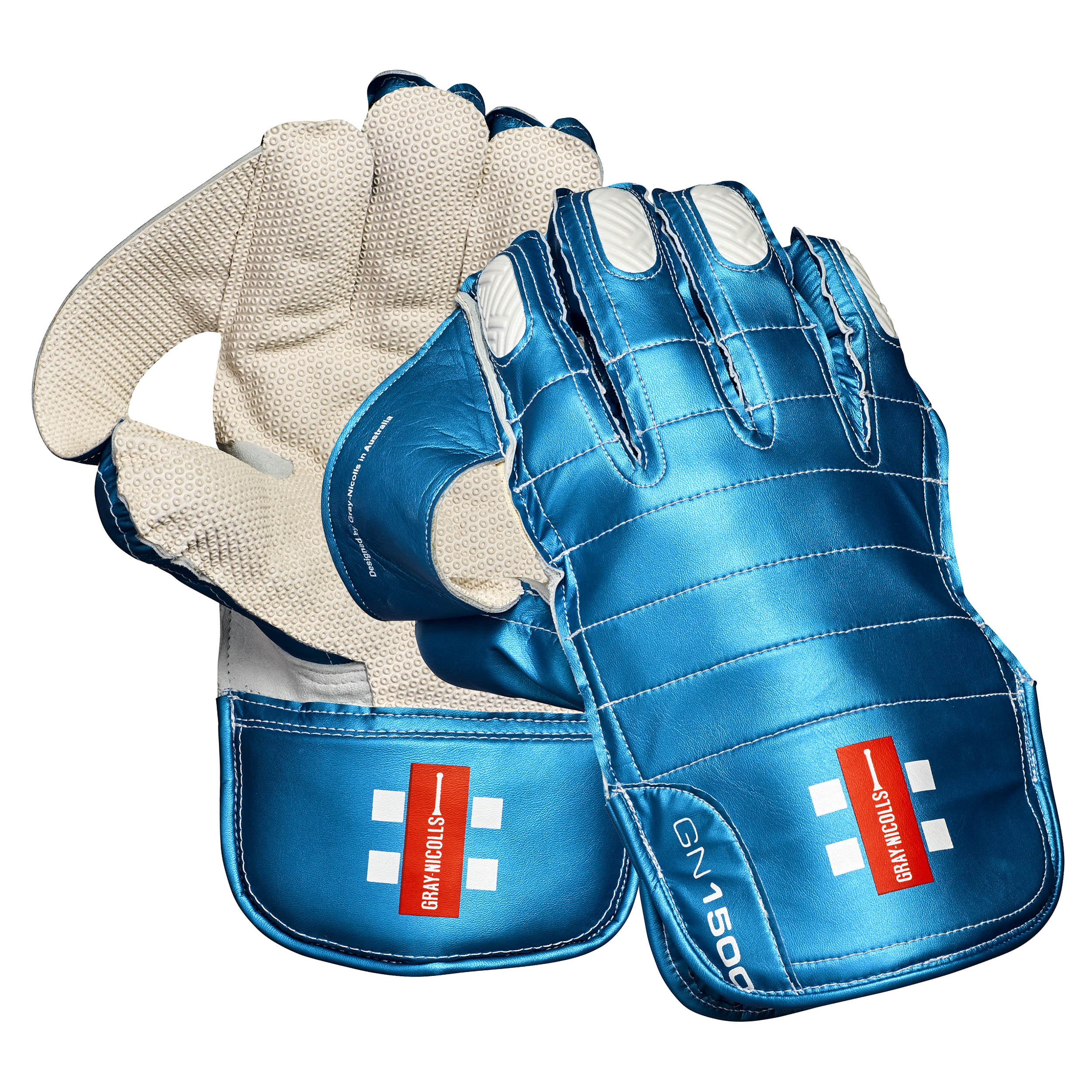
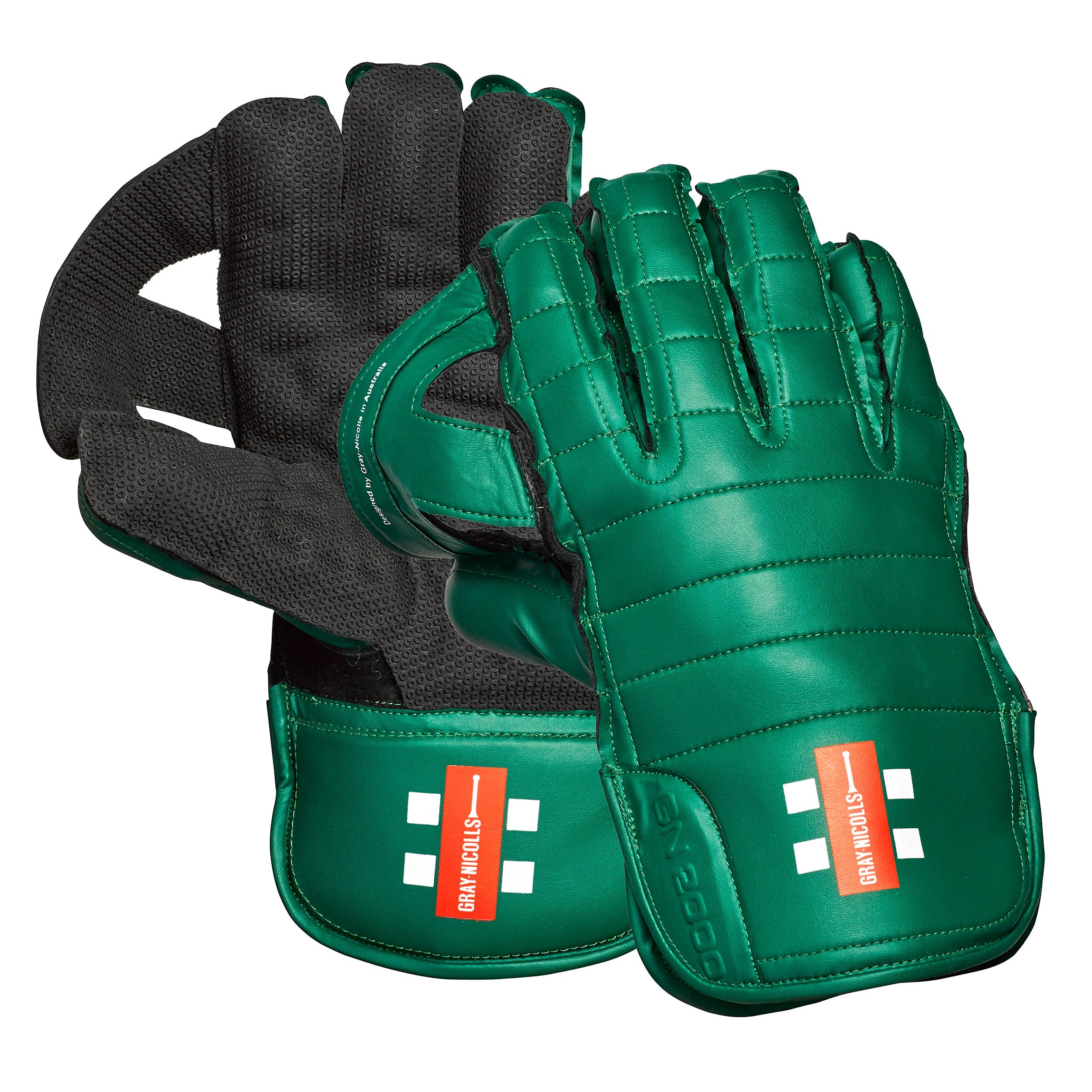
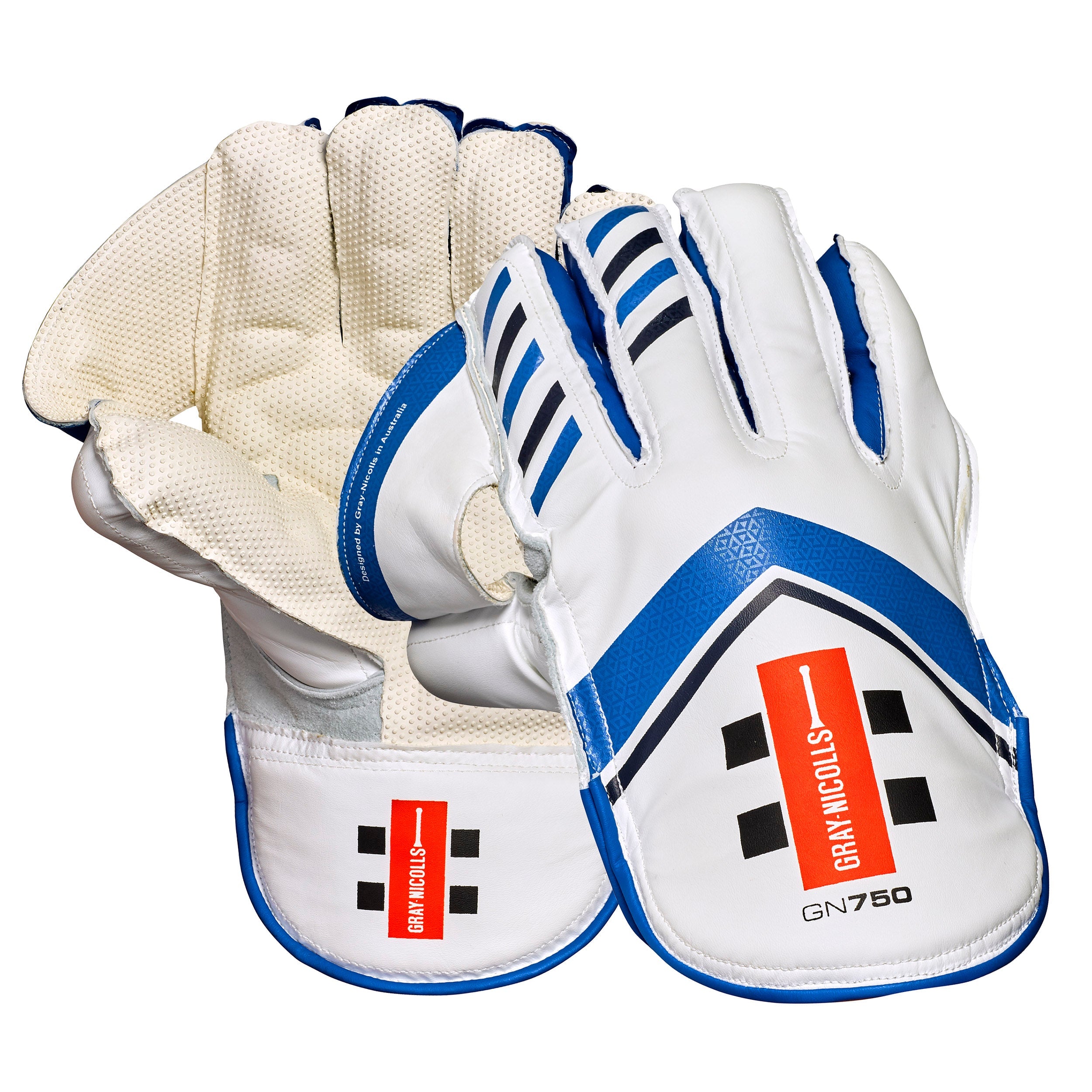
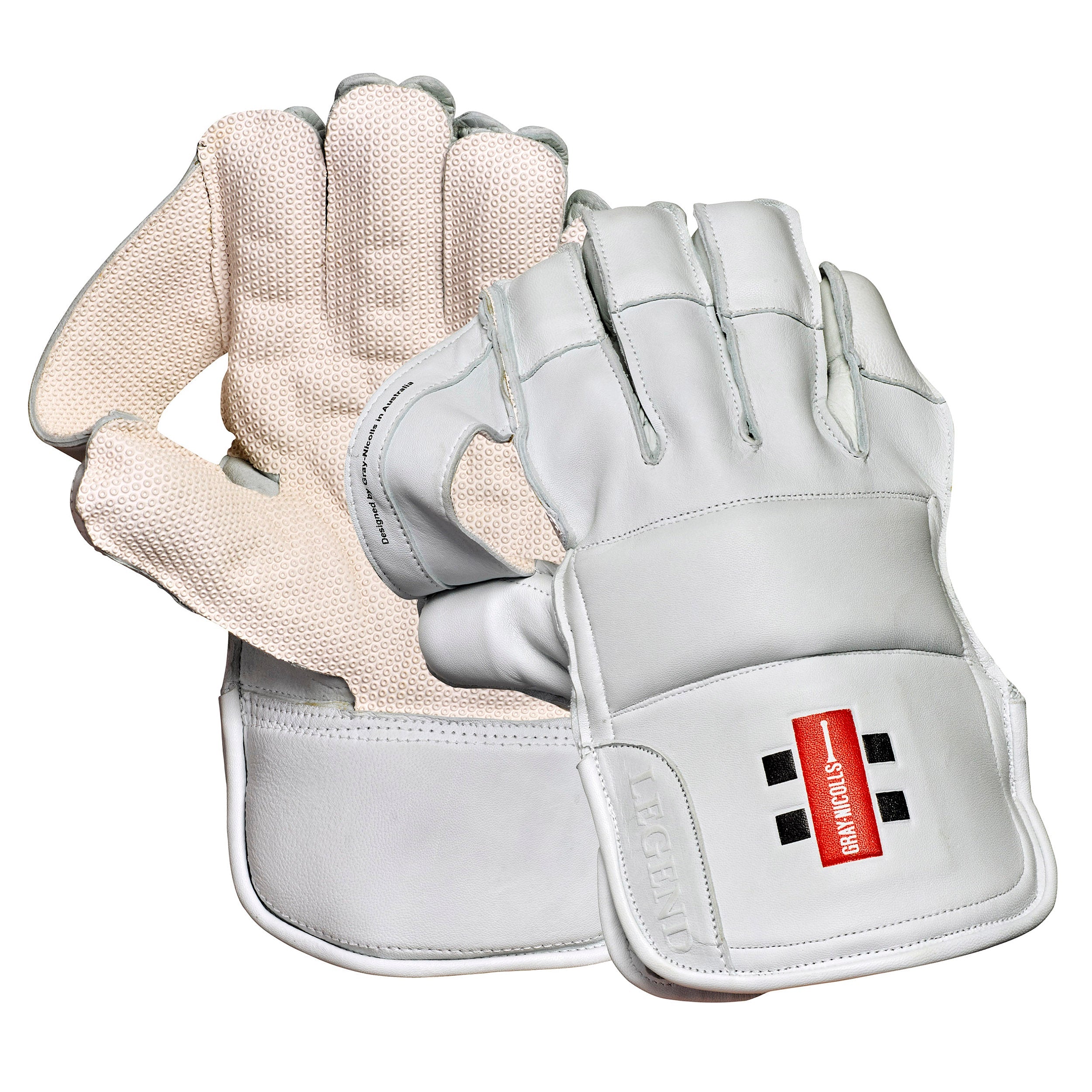
Wicket keeping gloves are purpose-built to help players catch and control the ball. Features such as webbing between the thumb and forefinger, reinforced palms and protective sponge padding in the fingertips all help improve catching performance while reducing the impact of repeated catches. Higher-grade gloves often feature premium leather construction and additional reinforcement to improve durability and feel.
The Importance Of Wicket Keeping Inners
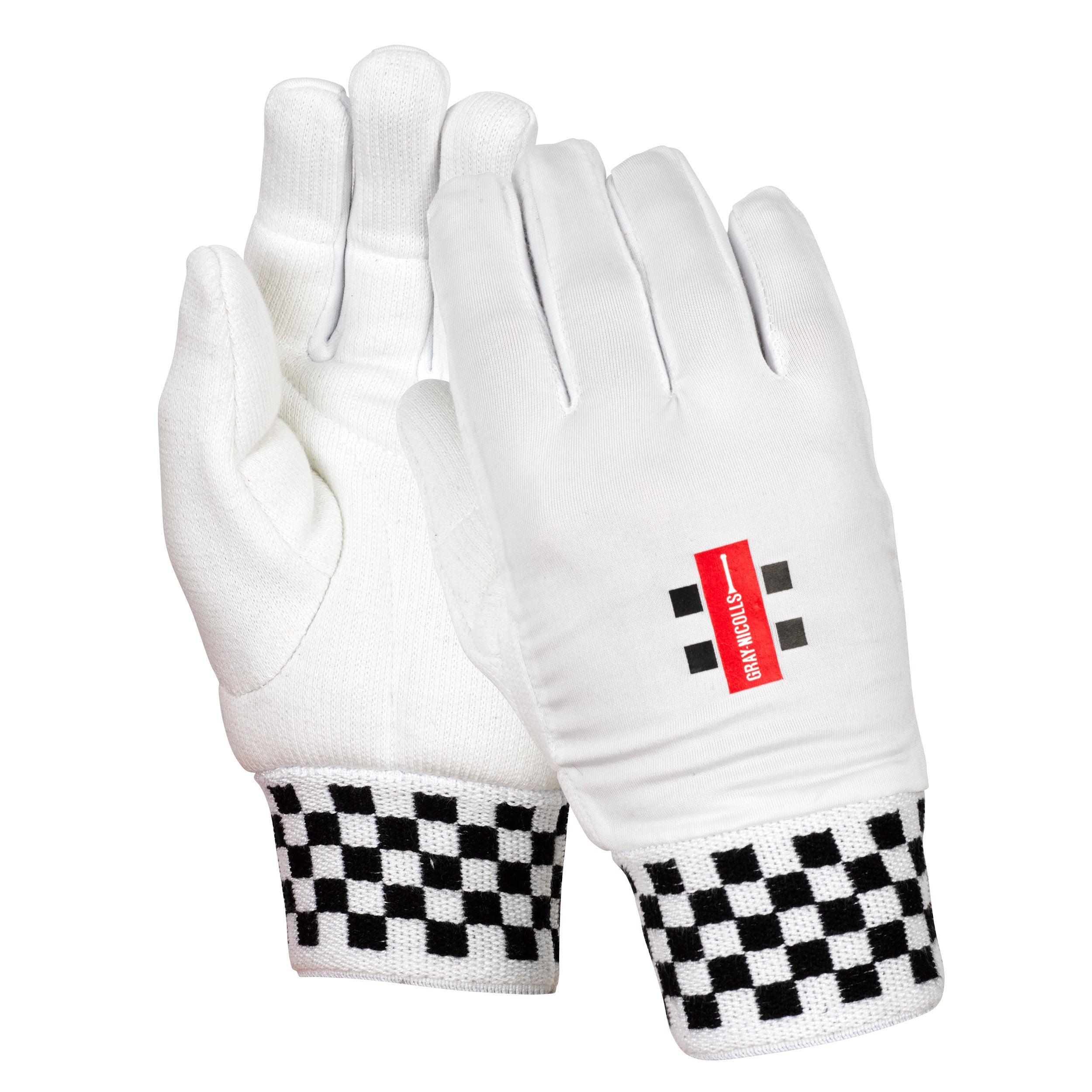
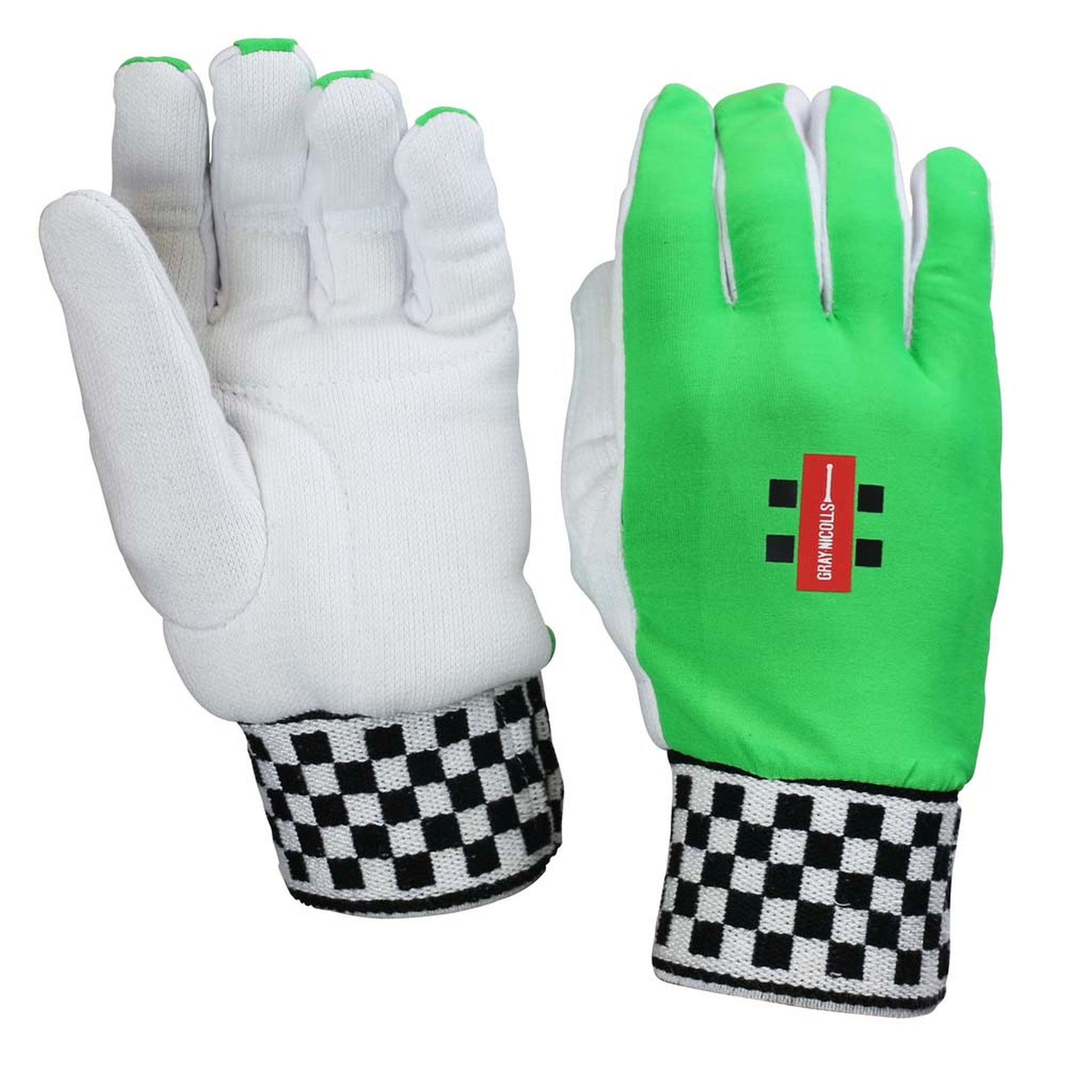
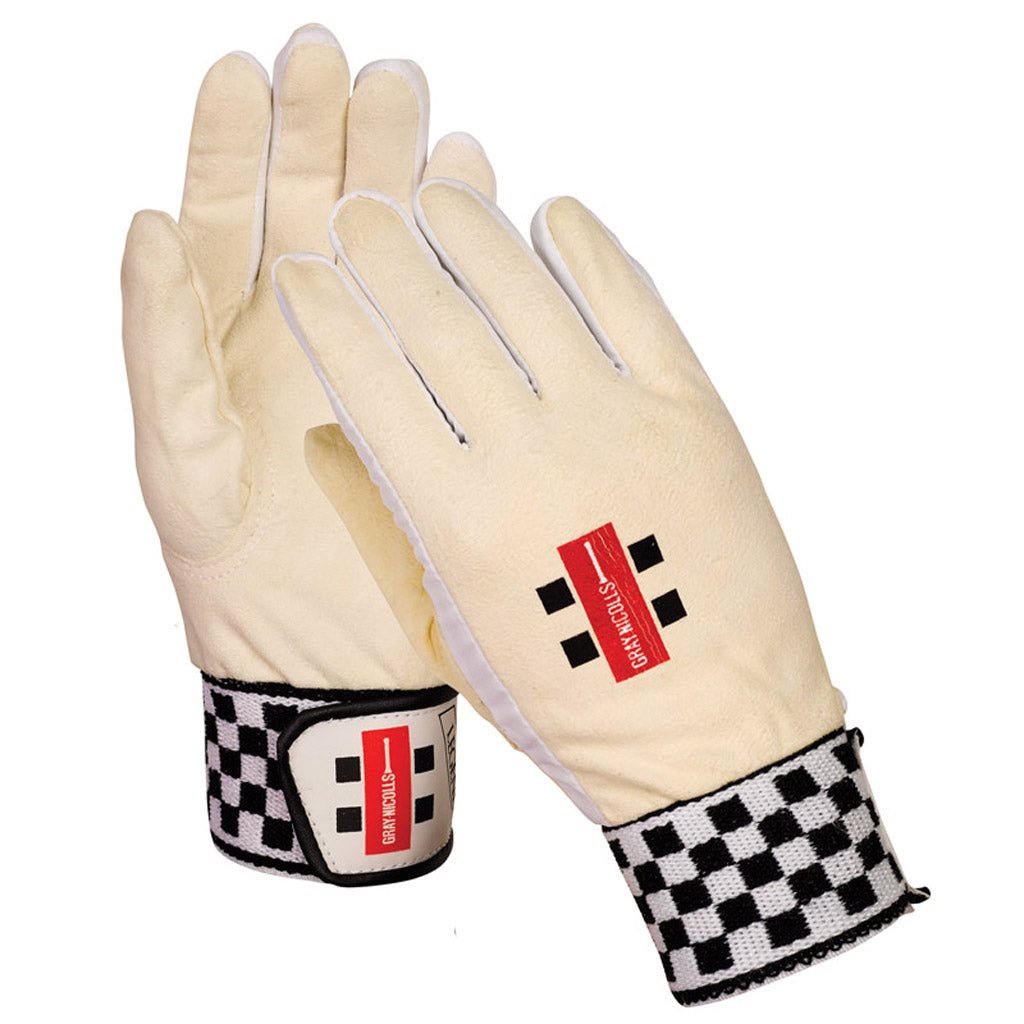
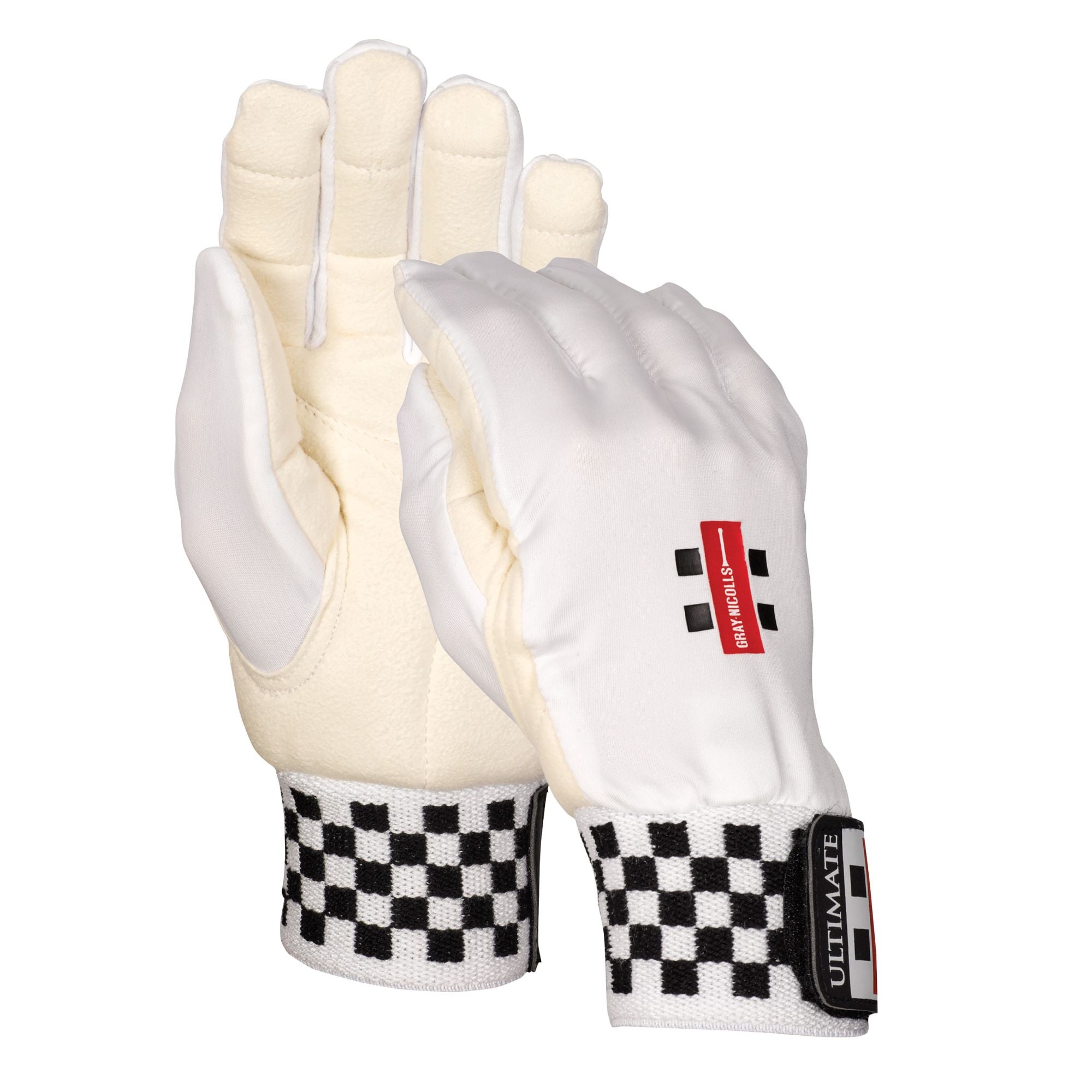
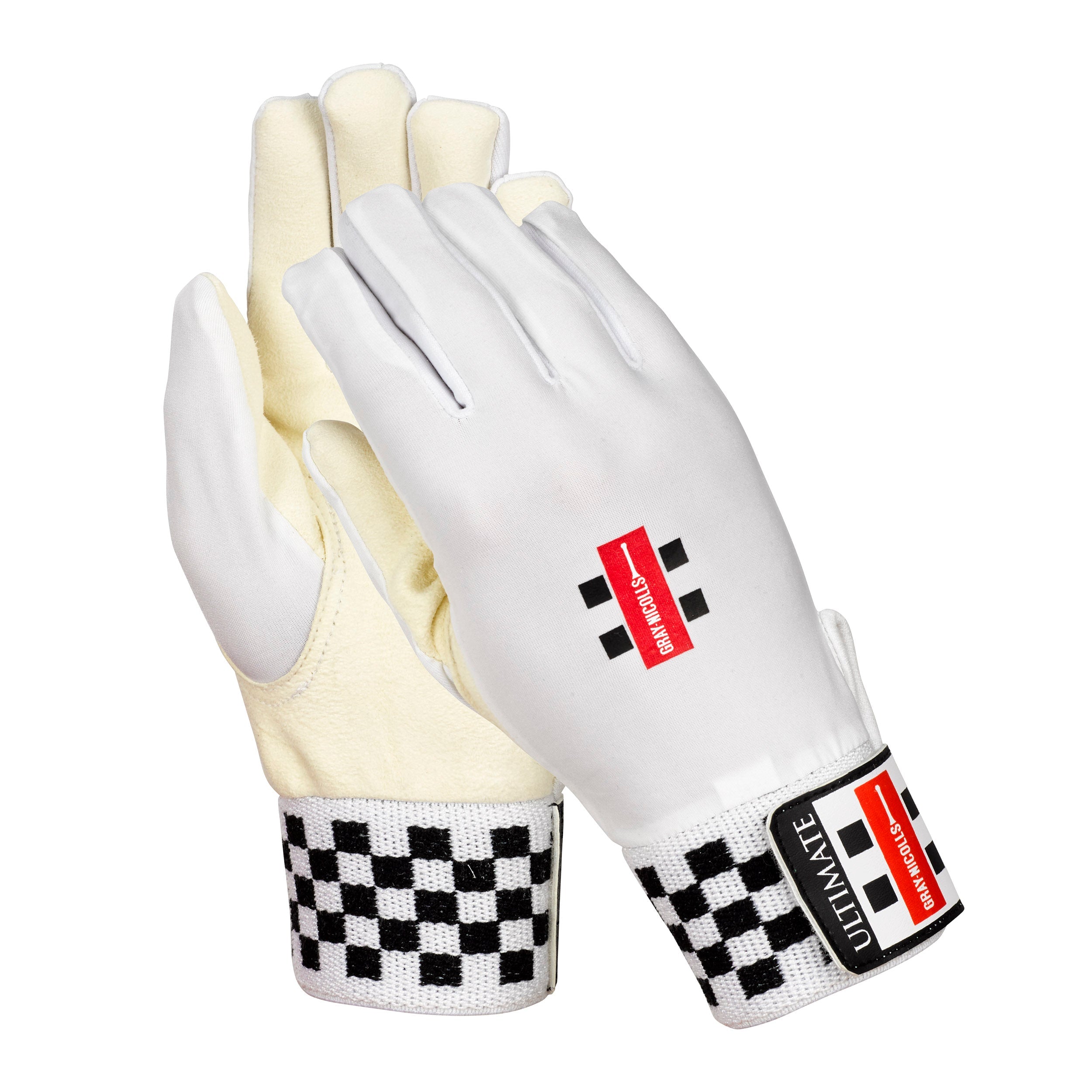
Wicket keeping inners are worn underneath the outer gloves and play an important role in both comfort and protection. Inners help absorb sweat, improve grip and provide an additional layer of cushioning against impact. Many keepers consider inners an essential part of their equipment, particularly during long innings where repeated catches can place significant stress on the hands and fingers.
Junior vs Senior Wicket Keeping Equipment
Junior wicket keeping equipment is generally designed to be lighter and easier to use while still providing appropriate protection. As players progress through the age groups, gloves and pads typically become larger and offer increased durability to cope with faster bowling and more demanding levels of cricket. Selecting equipment that matches the player's age, size and skill level helps ensure both comfort and confidence behind the stumps.
Choosing the correct wicket keeping gloves is important for both comfort and performance behind the stumps. A well-fitted glove allows the keeper to catch confidently, react quickly and remain comfortable during long periods in the field.
Correct Sizing
Wicket keeping gloves should fit securely without excessive space around the fingers or palm. A glove that fits correctly will feel comfortable while allowing natural hand movement and maximum control when taking catches. While a small amount of growing room can be acceptable for junior players, overly large gloves can negatively affect performance and safety.
Feeling The Fingertip Sponge
Most wicket keeping gloves contain protective sponge padding in the fingertips. Ideally, a keeper should be able to feel this padding sitting close to the ends of their fingers when wearing the gloves. This helps ensure the hands are correctly positioned within the glove and allows the protective features to function as intended.
Why Oversized Gloves Can Cause Finger Injuries
When wicket keeping gloves are too large, the fingers sit further back from the ends of the gloves. This creates additional movement inside the glove and increases the chance of the fingertips being forced backwards if the ball strikes the end of the glove. Poorly fitted gloves can contribute to bent-back fingers, bruising and discomfort, particularly when standing up to faster bowlers.
Junior Wicket Keeping Glove Sizing Advice
For junior players, a small amount of additional room may be acceptable to allow for growth, however the gloves should still feel secure on the hands. The fingers should remain close to the protective sponge padding and the palm should not bunch excessively when opening and closing the hands. Choosing a glove that is too large in the hope a player will grow into it can make catching more difficult and increase the risk of injury.
Approximate Size Guide
- Small Junior: Typically suitable for players under 10 years of age.
- Junior: Generally suitable for players aged 10 to 12 years.
- Youth: Usually suitable for players aged 12 to 14 years.
- Adult: Generally suitable for players aged 14 years and older.
Please note that these age ranges are intended as a guide only. Individual height, hand size and build can vary significantly between players, so we recommend referring to the fitting advice above to ensure the best fit.
Leather Quality
The quality of leather used in wicket keeping gloves can have a significant impact on feel, comfort and durability. Higher-grade gloves typically feature softer, premium leathers that provide improved comfort and better feel when taking catches. Premium materials also tend to mould more naturally to the hands over time, helping keepers develop confidence and control behind the stumps.
What Size Wicket Keeping Gloves Do I Need?
Choosing the correct size wicket keeping gloves is important for both comfort and protection. As a general guide, players should be able to feel the protective sponge padding in the fingertips when wearing the gloves. This helps ensure the fingers are positioned correctly within the glove and reduces unnecessary movement when taking catches.
Approximate sizing guide:
- Small Junior: Typically suitable for players under 10 years of age.
- Junior: Generally suitable for players aged 10 to 12 years.
- Youth: Usually suitable for players aged 12 to 14 years.
- Adult: Generally suitable for players aged 14 years and older.
Please note that these age ranges are intended as a guide only. Hand size can vary considerably between players, so proper fit should always be checked before purchase.
Should Wicket Keeping Gloves Be Tight?
Wicket keeping gloves should fit securely without feeling overly tight. The fingers should sit close to the protective sponge padding in the fingertips, while the palm should feel comfortable without excessive bunching or movement. Gloves that are too loose can reduce catching control and increase the risk of finger injuries, while gloves that are too tight may become uncomfortable during long innings.
Do Wicket Keepers Need Inners?
While not mandatory, wicket keeping inners are strongly recommended for most players. Inners provide an additional layer of cushioning between the hand and outer glove, helping to absorb impact from repeated catches. They also assist with moisture management, improve comfort and can help extend the life of the outer gloves by reducing sweat build-up inside the glove.
What's The Difference Between Wicket Keeping Pads And Batting Pads?
Wicket keeping pads are specifically designed to maximise mobility behind the stumps. They are generally lighter, slimmer and more flexible than batting pads, allowing keepers to squat comfortably and move quickly in any direction. Batting pads prioritise protection against direct impact from the ball, whereas wicket keeping pads are designed to balance protection with freedom of movement.
A wicket keeper should be able to move into a natural crouching position without the top strap digging into the back of the knee. This is one of the key differences between correctly fitted wicket keeping pads and batting pads.
Can Juniors Use Adult Wicket Keeping Gloves?
While some larger junior players may be able to use adult-sized gloves, it is generally recommended that players use gloves that are appropriately sized for their hands. Adult gloves that are too large can make catching more difficult and increase the risk of injury, as the fingers may sit too far back from the protective sponge padding in the fingertips.
For most junior cricketers, a correctly fitted junior or youth glove will provide better comfort, control and protection than an oversized adult glove.
Looking for more details? Click the product information links below to explore cricket size guides, bat weights, equipment care tips, and detailed gear specifications — everything you need to choose the right cricket gear with confidence.


